
Planting
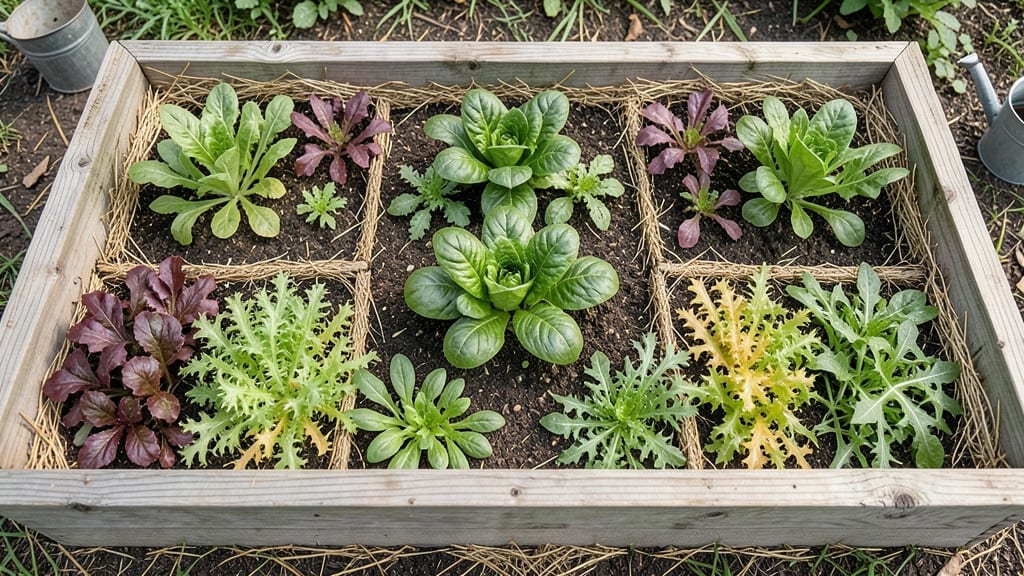
Maximize your small garden space with these 10 raised bed layouts designed for year-round harvests. Whether you're a beginner or seasoned gardener, these strategic arrangements boost productivity while minimizing waste.
Square Foot Gardening Vegetable Mix
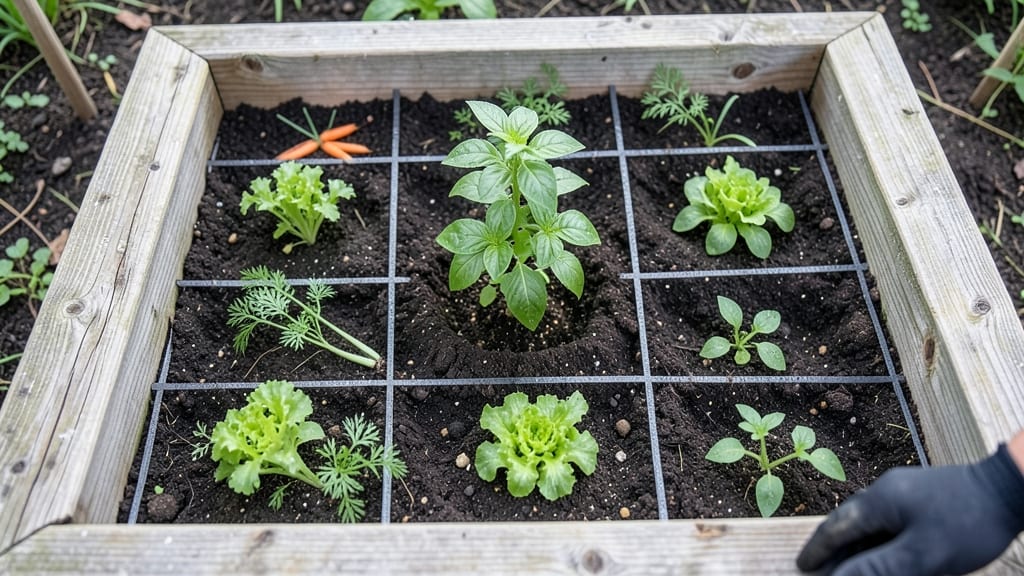
Tired of guessing how many plants to squeeze into your raised bed? The square foot gardening method turns your 4x4-foot space into a math-free, high-yield vegetable factory—no overcrowding, no wasted soil, just perfect proportions.
Divide your bed into a 4x4 grid of 1-foot squares, then plant according to a simple chart: 1 tomato plant per square, 4 pepper plants, or 9 basil plants (each gets its own space). This layout prevents competition for nutrients and sunlight while maximizing harvests. Use compost-rich soil and mulch to retain moisture, and you’ll enjoy year-round productivity with minimal fuss.
This system is especially great for beginners or urban gardeners with limited space. No green thumb required—just follow the grid, and watch your veggies thrive! 🌱
Three Sisters Companion Planting
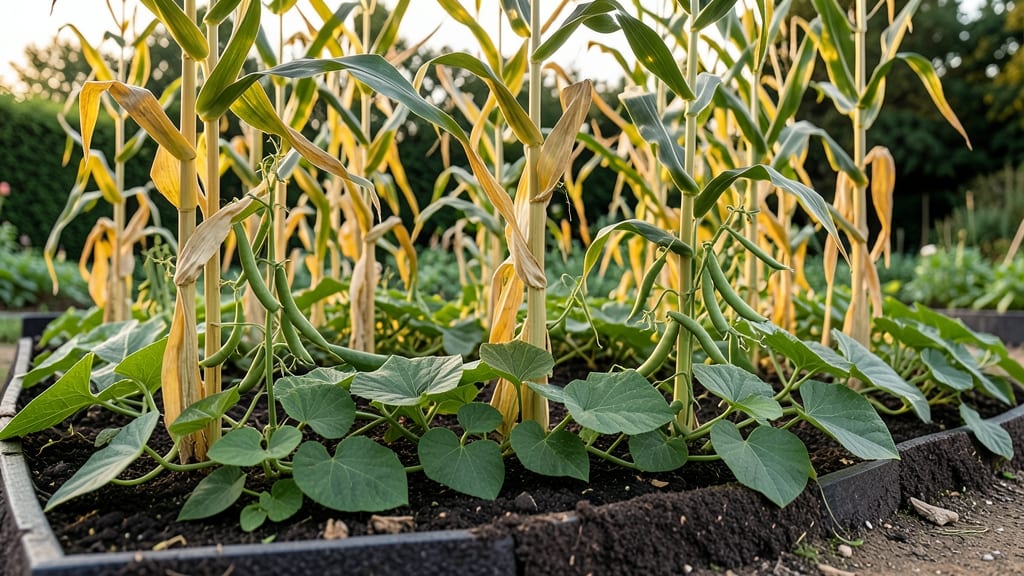
Looking for a low-maintenance, high-reward raised bed layout that works with nature instead of against it? The Three Sisters Companion Planting—a centuries-old Native American technique—combines corn, beans, and squash to create a self-sustaining ecosystem that deters pests and enriches the soil.
Plant corn first as the vertical support for pole beans, which climb the stalks while fixing nitrogen in the soil. At the base, squash vines spread wide, shading the soil to prevent weeds and retain moisture. This trio thrives in full sun and yields three staple crops in one bed, reducing your workload and increasing your harvest. The beans alone can add up to 150 pounds of nitrogen per acre to the soil each year!
Perfect for organic gardeners, this layout requires minimal intervention once established. The squash acts as a living mulch, while the beans deter pests like raccoons and deer. It’s a timeless, sustainable choice that pays dividends for years. 🌱
Vertical Herb Tower Layout
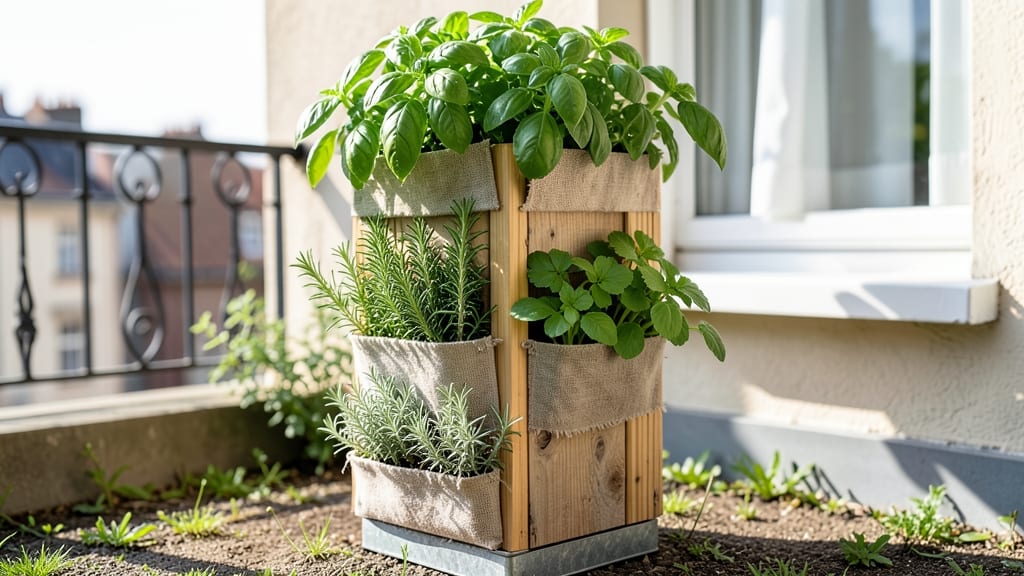
Turn your tiny balcony or kitchen windowsill into a fresh herb haven without sacrificing precious floor space. A vertical herb tower lets you grow basil, thyme, rosemary, and parsley in stacked pockets—perfect for urban gardeners who love cooking with homegrown flavors but lack outdoor space.
Choose a tower with 6-8 pockets (4-6 inches deep) and place it in 6 hours of sun daily. Basil thrives in the top pockets for maximum light, while rosemary and thyme—drought-tolerant varieties—do well in the lower tiers. Water from the top to ensure even moisture, and harvest leaves by pinching stems to encourage bushier growth. The modular design makes it easy to rotate herbs seasonally or swap out plants as needed.
This layout is ideal for renters, small-space gardeners, and busy cooks who want instant access to fresh herbs. Plus, the tower’s sleek design blends seamlessly with modern decor while keeping pests at bay. 🌿
Succulent and Mediterranean Mix
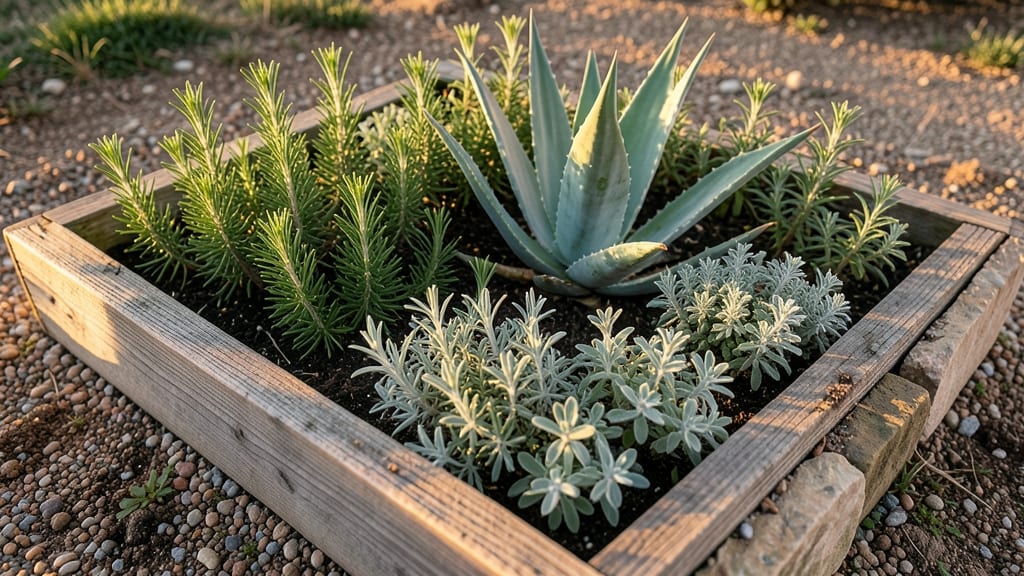
If you live in a hot, dry climate and dread spending hours watering, this Mediterranean-inspired mix is your low-maintenance solution. Packed with rosemary, thyme, oregano, and aloe vera, this layout thrives on neglect—perfect for gardeners who want beauty without the upkeep.
Plant rosemary and thyme in terracotta pots to prevent soil-borne diseases, while aloe vera adds a striking succulent element that stores water like a pro. This combo loves full sun (6+ hours daily) and only needs watering once every 2-3 weeks once established. The aromatic herbs also repel pests naturally, reducing the need for sprays.
Ideal for urban balconies, desert gardens, or fire-prone areas, this layout turns water worries into worry-free growing. 🌻
Fall and Winter Greens Bed
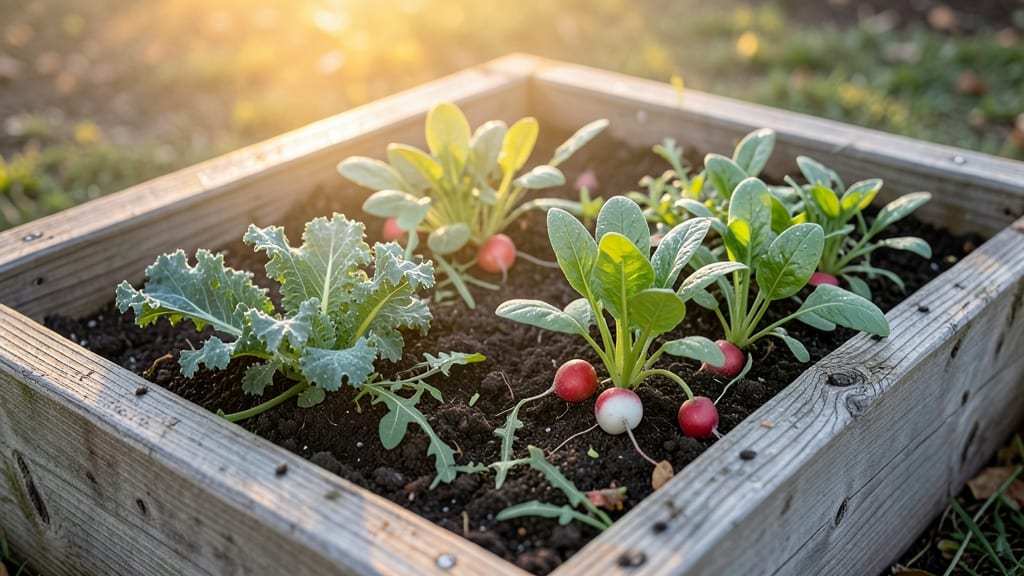
When summer heat fades but your hunger for fresh greens doesn't, this cold-hardy raised bed becomes your late-season lifeline. Packed with kale, spinach, arugula, and radishes, it thrives in cool temperatures and even tolerates light frosts—ideal for extending harvests through winter in many climates.
Start by planting kale and spinach in the bed's center, where they'll receive 3-4 hours of sunlight daily—their low-light tolerance makes them perfect for north-facing beds. Flank them with arugula (for peppery flavor) and radishes (ready in just 25 days), which benefit from cooler weather. Use a thick layer of compost to retain moisture and nutrients, and mulch with straw to protect roots from temperature swings. This layout works especially well in USDA Zones 4-8, where winter harvests are possible with minimal care.
Perfect for gardeners who want to keep harvesting well into fall and winter, this bed requires no special equipment—just a well-drained soil mix and regular watering. Even urban gardeners with limited sunlight can enjoy fresh greens by positioning the bed near a north wall or under deciduous trees. 🌱
Pest-Repellent Flower-Vegetable Border
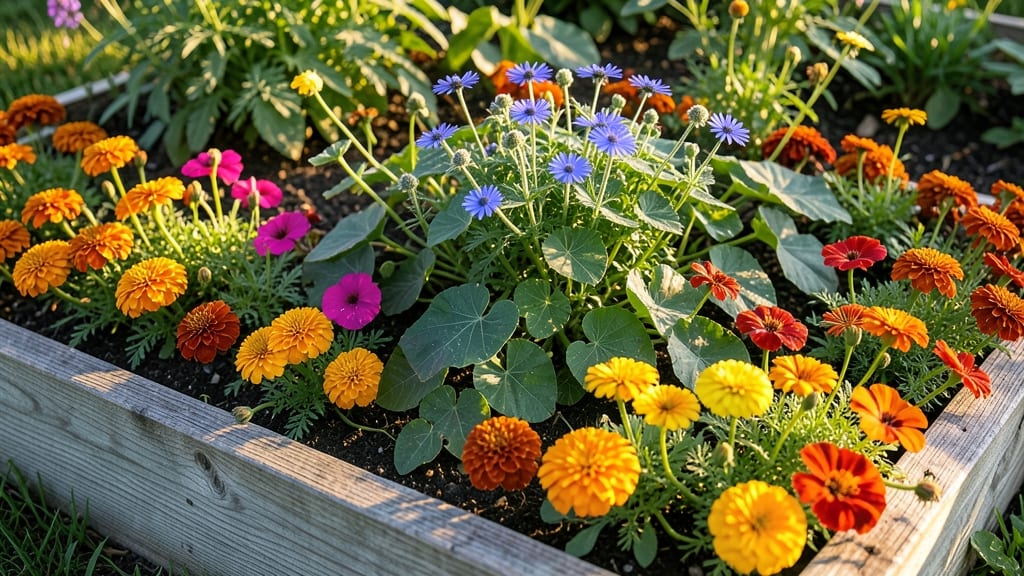
Tired of battling pests like squash bugs and cucumber beetles ruining your summer harvest? A pest-repellent border using marigolds, nasturtiums, and borage creates a natural shield while adding beauty and edible blooms to your raised bed.
Plant French marigolds (for nematode control) and nasturtiums (which trap aphids) along the outer edges, then tuck borage (a pollinator magnet) near your zucchini and cucumbers. The strong scents mask vulnerable plants, while the flowers attract beneficial insects like ladybugs and lacewings. This layout thrives in full sun and requires minimal maintenance—just deadhead spent blooms to encourage more flowers.
Perfect for organic gardeners, small-space growers, and pest-weary vegetable lovers, this border turns edible landscaping into a functional, low-spray solution. Your veggies will flourish—and so will your pollinators! 🌻
Microgreens and Sprouts Tower
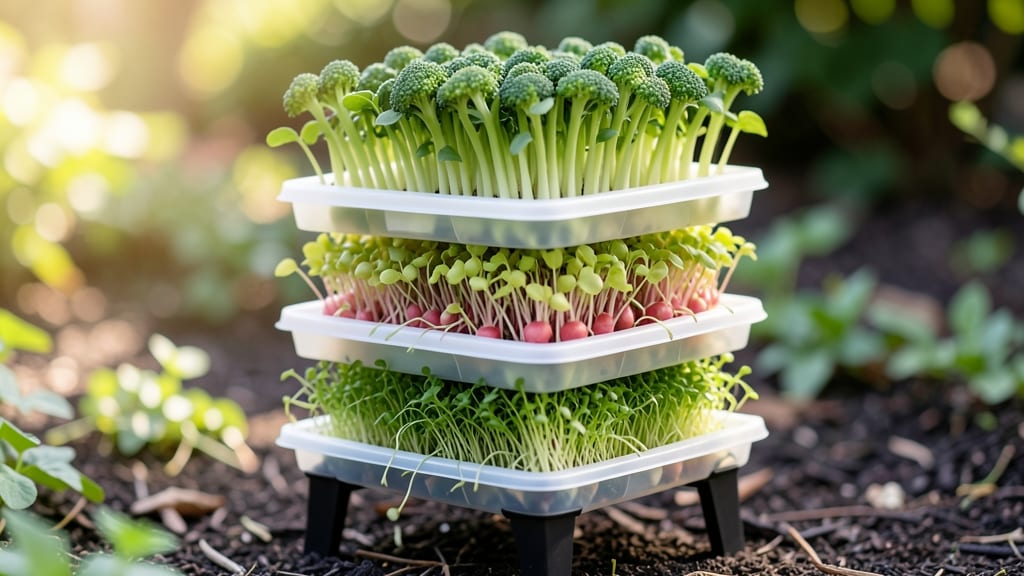
Craving fresh, nutrient-packed greens in record time? A microgreens and sprouts tower delivers 7-10 day harvests of broccoli, radish, and pea sprouts—stacked vertically to maximize space and minimize mess. This compact system works indoors near a sunny window or outdoors on a patio, making it perfect for urban gardeners or anyone with limited real estate.
Start with three stacked trays (8-12 inches deep) filled with moistened organic sprouting mix or a simple cloth liner. Plant broccoli sprouts in the top tray (highest light), radish sprouts in the middle, and pea shoots in the bottom. Mist daily and rinse trays every 2-3 days to prevent mold. The vertical design ensures even light distribution while keeping your kitchen or balcony clutter-free.
This layout is ideal for health-conscious foodies, busy parents, or small-space gardeners who want instant gratification without the wait. Plus, the nutrient density of microgreens (up to 40x more vitamins than mature greens) makes every bite worth the effort. 🌱
Strawberry and Flower Pollinator Garden
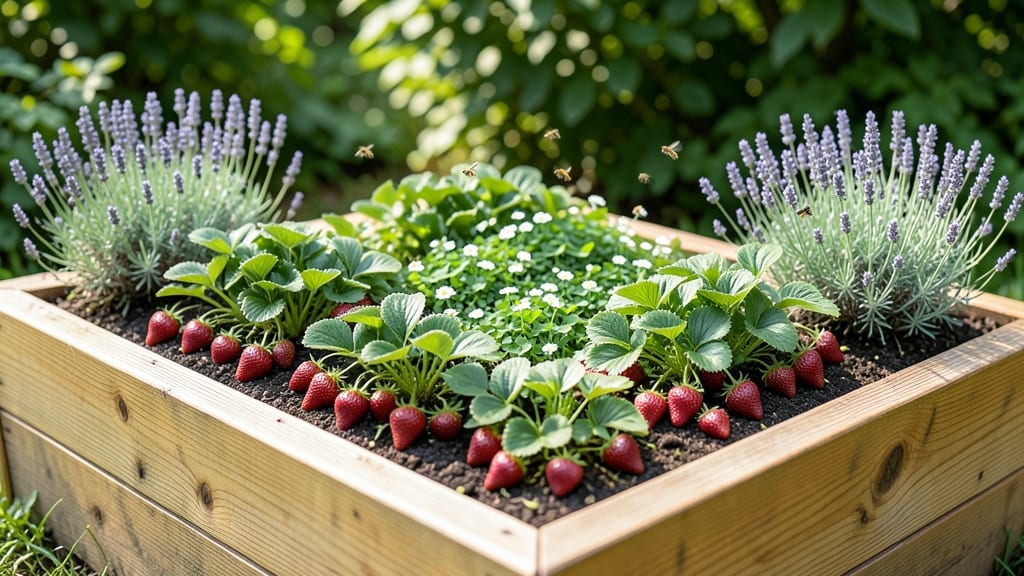
Craving a raised bed that’s as beautiful as it is productive? This strawberry and pollinator garden combines June-bearing strawberries with white clover and lavender to create a dual-purpose space that feeds your table and supports local ecosystems. The fragrant lavender deters pests while attracting bees, ensuring your strawberries get pollinated for sweeter, more abundant fruit.
Start by planting June-bearing strawberries along the edges of your 4x4-foot bed, where they’ll spill over the sides for easy picking. Weave white clover between rows—it fixes nitrogen in the soil and provides ground cover to suppress weeds. Tuck lavender in clusters at the center for its drought tolerance and pollinator appeal. This layout thrives in full sun (6+ hours daily) and well-drained soil, producing fruit from late spring to summer while keeping bees buzzing year-round.
Perfect for urban gardeners, pollinator enthusiasts, and small-space growers, this design turns a single bed into a sweet, sensory-rich haven that rewards both your taste buds and the environment. 🌱
Asian-Inspired Bamboo and Bok Choy
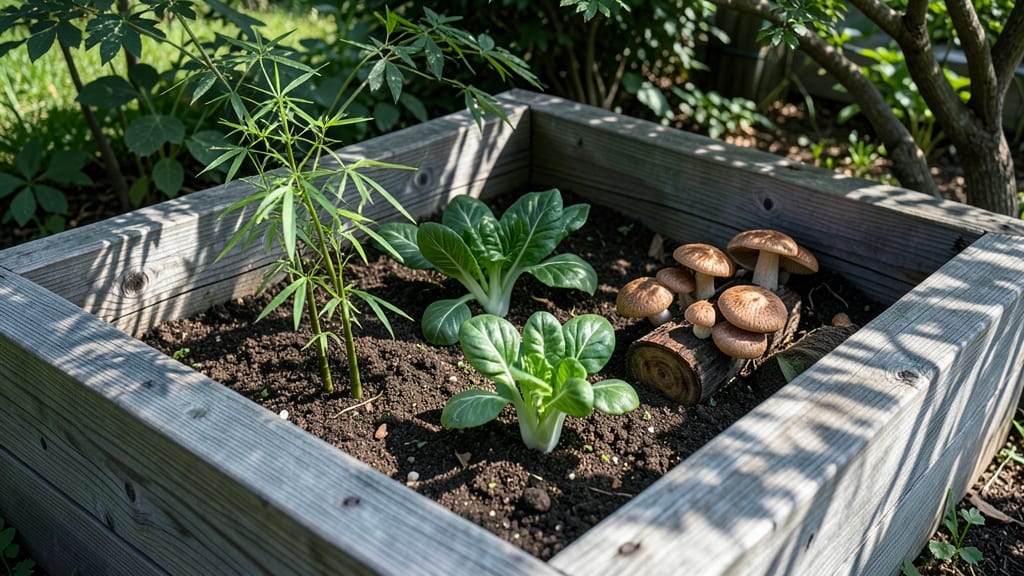
Bring the flavors of Asia to your raised bed with a culturally inspired layout that grows bamboo shoots, bok choy, and shiitake mushrooms—three staples of traditional dishes like stir-fries and soups. This unique combination thrives in partial shade, making it perfect for under trees or north-facing beds where full sun is scarce.
Start by planting bamboo shoots along the back of your bed, where their slender stalks can grow vertically without overcrowding. In the middle, tuck in bok choy, which matures in just 30-40 days and loves consistent moisture. For the shaded understory, add shiitake mushroom logs (pre-inoculated with spawn) or grow them in a humid, shaded corner of the bed. Keep the soil rich with compost and water deeply 2-3 times weekly to maintain humidity levels critical for mushrooms.
This layout is ideal for home cooks who love Asian cuisine or gardeners with shaded spaces. The bamboo shoots add an exotic touch, while the bok choy and mushrooms deliver fresh, homegrown ingredients for your kitchen. 🌿
Salad Bar Raised Bed Rotation

Say goodbye to patchy harvests and hello to a never-ending salad supply with this 3-week rotation system designed for your raised bed. Instead of planting once and hoping for the best, this method keeps your bed packed with fresh lettuce, spinach, and mesclun mixes all season long—no empty spaces, no wasted soil.
Divide your 4x8-foot bed into four equal sections (2x4 feet each). Plant one section with a mix of butterhead lettuce, arugula, and baby spinach in early spring. When the first section is 60% harvested (after ~3 weeks), rotate the next section into its place while replanting the first with fast-maturing mesclun blends or radishes (they’re ready in 25 days!). This prevents soil depletion and confuses pests that rely on finding the same plants in the same spot. Use compost tea every 2 weeks to boost nutrient cycling, and shade cloth in peak summer to prevent bolting.
This layout is a game-changer for urban gardeners, CSA farmers, or anyone tired of salad shortages. With minimal effort, you’ll enjoy year-round greens—even in small spaces—while keeping your bed productive and pest-free. 💚