
Flowers
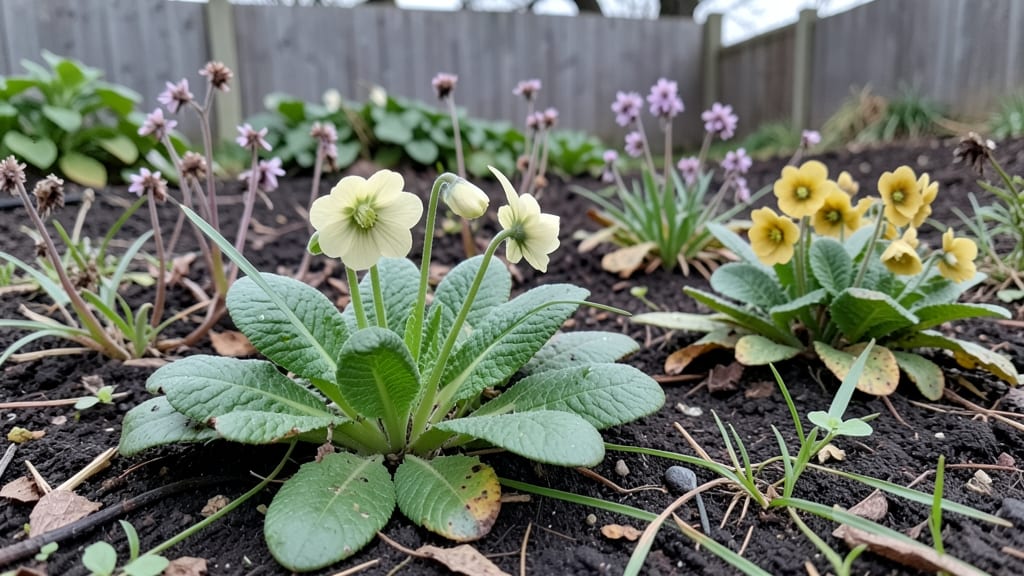
Deciding between primrose annuals or perennials means choosing between fleeting bursts of color and years of reliable blooms. 🌿 I’ve grown both in my shade garden, and the perennials still thrive after five years—while the annuals gave me a showy spring but vanished by summer.
The key difference lies in their growth cycles: annuals complete their life in one season, while perennials return year after year with proper care. Annuals like Primula denticulata need cool soil and consistent moisture to bloom nonstop from early spring until frost.
Perennials, such as Primula vulgaris, prefer well-draining soil and tolerate drier conditions once established, making them far lower-maintenance.
You’ll love how perennials naturalize over time, filling gaps with cheerful faces in early spring before bulbs even wake up. Annuals, meanwhile, shine in containers or as temporary fillers where you want bold color without commitment. Both thrive in partial shade, but perennials handle heat better once roots spread.
For long-term impact, perennials win—but annuals let you experiment with vibrant new varieties each year. I keep both in my garden: perennials for structure and annuals for seasonal surprises. Let’s match the right primrose to your space and goals.
📚 In This Guide
- What you need
- Instructions
- Tips and common mistakes
- Wrapping up and next steps
What you need
- ● Primrose plants: 6–10 plants (annual) or 3–5 plants (perennial) per 10 sq. ft. of garden space
- ● Choose Primula vulgaris (English primrose) or Primula denticulata (cowslip) for perennials
- ● Opt for Primula obconica (annual) for bold, long-lasting blooms
- ● Well-draining potting mix: 2–3 bags (1 cubic foot each) for containers or in-ground planting
- ● Garden soil amendments: Compost (1–2 gallons) for enriching soil
- ○ Peat moss or coconut coir (optional, for moisture retention)
- ● Fertilizer: Balanced 10-10-10 or slow-release granular fertilizer (1 lb per 50 sq. ft.)
- ● OR organic options like fish emulsion or worm castings
- ● Gardening tools: Trowel or hand shovel
- ● Garden fork (for loosening soil)
- ● Pruners (for deadheading or trimming)
- ● Watering can or hose with a gentle spray nozzle
- ● Mulch: 2–3 inches of shredded bark or straw to retain moisture and suppress weeds
- ● Container gardeners: 6–8 inch pots (1 plant per pot) with drainage holes
- ● Saucer trays to catch excess water
- ● Shade cloth: 30–50% shade fabric for protecting perennials from harsh afternoon sun
- ● Slow-release watering system: Drip irrigation or self-watering stakes for consistent hydration
How to choose and plant primroses for season-long blooms
Here’s the foolproof way to grow primroses—whether annual or perennial—that keep your garden vibrant from early spring through late fall.
🌱 Step 1: Select the Right Primrose Varieties for Your Climate
Perennial primroses thrive in USDA Zones 3-8, while annual varieties tolerate broader conditions. I always opt for cowslip primroses for early spring color or polyanthus for dense summer blooms. Check your local frost dates—perennials need 6-8 weeks of cool weather to establish roots before summer heat sets in.
For year-round interest, mix spring-blooming types (like Primula denticulata) with late-summer varieties (such as Primula veris). This ensures your garden never loses its floral edge. Avoid planting annuals in zones with hot summers—they’ll bolt quickly without shade.
☀️ Step 2: Prepare the Planting Site for Optimal Growth
Primroses crave partial shade (morning sun, afternoon shade) but will tolerate full shade in hotter climates. I dig a hole twice as wide as the root ball but only as deep—never deeper, or the crown will rot. Amend the soil with 2 inches of compost to improve drainage, since soggy roots are their biggest enemy.
For annuals, space plants 8-12 inches apart; perennials need 12-18 inches to mature fully. Test the soil pH—primroses prefer slightly acidic to neutral (6.0-7.0). If your soil is heavy clay, add 1 part perlite to the planting hole to prevent compaction.
💧 Step 3: Plant and Water for Strong Establishment
Gently remove the plant from its container and loosen tangled roots—never force them into position. Place it in the hole so the top of the root ball sits level with the soil surface. Fill around the roots with amended soil, pressing lightly to eliminate air pockets.
Water deeply immediately after planting to settle the soil and encourage root spread. Keep the area consistently moist (not soggy) for the first 4-6 weeks. You’ll know it’s right when the soil feels damp 2 inches down—stick your finger in to check. Mulch with 1 inch of shredded bark to retain moisture and suppress weeds.
✂️ Step 4: Maintain Blooms and Prevent Common Issues
Deadhead spent flowers weekly to encourage continuous blooming—this is especially critical for annuals. For perennials, cut back one-third of the foliage after the first flush of blooms to stimulate a second round. Fertilize lightly with a balanced 10-10-10 in early spring and again after flowering.
Watch for powdery mildew (white dust on leaves) in humid climates—improve airflow by spacing plants properly. If slugs become an issue, set out beer traps (shallow dishes of beer) near the plants at dusk. Perennials may need division every 3-4 years to prevent overcrowding.
⏰ Step 5: Extend the Season with Smart Care
For fall color, plant hardy annuals like Primula malacoides in late summer—they’ll bloom until frost. Perennials benefit from a thin layer of mulch in winter to protect roots from freeze-thaw cycles. In spring, remove old mulch and fertilize before new growth appears (usually by late February in most zones).
Here’s the thing—primroses reward patience. A well-established perennial can bloom for decades with minimal care, while annuals deliver instant color if planted in succession. The key is consistent moisture and shade—once you nail those, your garden will stay lively from spring to frost.
Tips & tricks for perfect primrose planting and care
A few key strategies will help you transform your garden into a year-round primrose paradise with minimal effort. These are the insights I've gathered after years of trial and error with both annual and perennial varieties.
Variety Selection: When choosing between cowslip primroses for early spring color and polyanthus for summer blooms, consider your local frost dates. In zones 3-8, perennials need that 6-8 week cool period to establish strong roots. For annuals, opt for Primula malacoides if you want fall color—it thrives in cooler climates and blooms until frost. The secret is matching varieties to your specific microclimate rather than following generic planting guides.
Soil Preparation Strategy: That 2-inch layer of compost in Step 2 isn't just about nutrients—it's about creating the perfect drainage while maintaining moisture retention. For clay-heavy soils, I've found mixing in 1 part perlite to the planting hole creates tiny air pockets that prevent waterlogging. Test your soil pH before planting; primroses prefer 6.0-7.0, and adjusting with sulfur or lime can make all the difference in establishing healthy plants.
Watering Technique: The 4-6 week consistent moisture window after planting is critical, but how you water matters just as much. I use the "finger test" method—stick your finger 2 inches down and water only when the soil feels dry. For annuals, morning watering prevents fungal issues, while perennials appreciate a deep soak every other day during their first summer. Mulching with 1 inch of shredded bark helps maintain even moisture without creating soggy conditions.
Season Extension Hacks: For perennials, that thin layer of mulch in winter isn't just decorative—it acts as insulation against freeze-thaw cycles that can damage roots. In spring, remove old mulch and fertilize before new growth appears (usually by late February). For annuals, succession planting every 4-6 weeks ensures continuous blooms. I've found that planting Primula denticulata in early spring and Primula veris in late summer creates a seamless transition of color.
Pro Tips for Primrose Annual Or Perennial
- A few key strategies will help you transform your garden into a year-round primrose paradise with minimal effort.
- Variety Selection: When choosing between cowslip primroses for early spring color and polyanthus for summer blooms, consider your local frost dates.
- Soil Preparation Strategy: That 2-inch layer of compost in Step 2 isn't just about nutrients—it's about creating the perfect drainage while maintaining moisture retention.
Frequently asked questions
Got questions about primroses? You’re not alone! Here are some of the most common queries gardeners have about these cheerful blooms—whether you're planting them as annuals or perennials.
Are primroses annuals or perennials?
Primroses can be both! Many varieties (like Primula vulgaris) are hardy perennials, returning year after year in mild climates. Others, especially tender types (e.g., Primula obconica), are grown as annuals in colder zones. Check your specific variety’s hardiness zone (usually 4–8) to decide.
When is the best time to plant primroses?
For perennial primroses, plant in early fall (6–8 weeks before frost) or early spring (as soon as soil is workable). Annuals can go in spring or fall, but avoid extreme heat. Pro tip: If planting in fall, give them a light mulch to protect roots over winter.
How do I keep primroses blooming all season?
Deadhead spent blooms regularly to encourage more flowers! Also, fertilize lightly with a balanced, water-soluble fertilizer (10-10-10) every 4–6 weeks during the growing season. For perennials, divide clumps every 3–4 years to prevent overcrowding. Bonus: They thrive in partial shade—perfect for under trees!
What pests or diseases should I watch for?
Primroses are generally low-maintenance, but keep an eye out for slugs, snails, and aphids. Use organic slug bait or beer traps for pests. Fungal issues (like powdery mildew) can occur in humid conditions—improve airflow and avoid overhead watering. Quick fix: Spray with neem oil if you spot trouble early.
Can I grow primroses in containers?
Many primrose varieties thrive in containers, especially annual types. Use a well-draining pot with moist, slightly acidic soil (pH 6.0–7.0). Choose compact varieties like Primula denticulata for pots. Remember: Water consistently—containers dry out faster than garden beds!
Wrapping up and next steps
Whether you choose annual primroses for vibrant, seasonal bursts of color or perennial varieties for year-round charm, your garden is about to bloom with joy! 🌸 These cheerful flowers are easy to grow and perfect for adding texture, height, and seasonal interest. Ready to transform your outdoor space?
Take the next step: pick your primrose type, gather your supplies, and start planting! Whether you’re a seasoned gardener or a beginner, these cheerful blooms will reward your efforts with stunning results. Happy gardening! 🌱