
Companion Plants
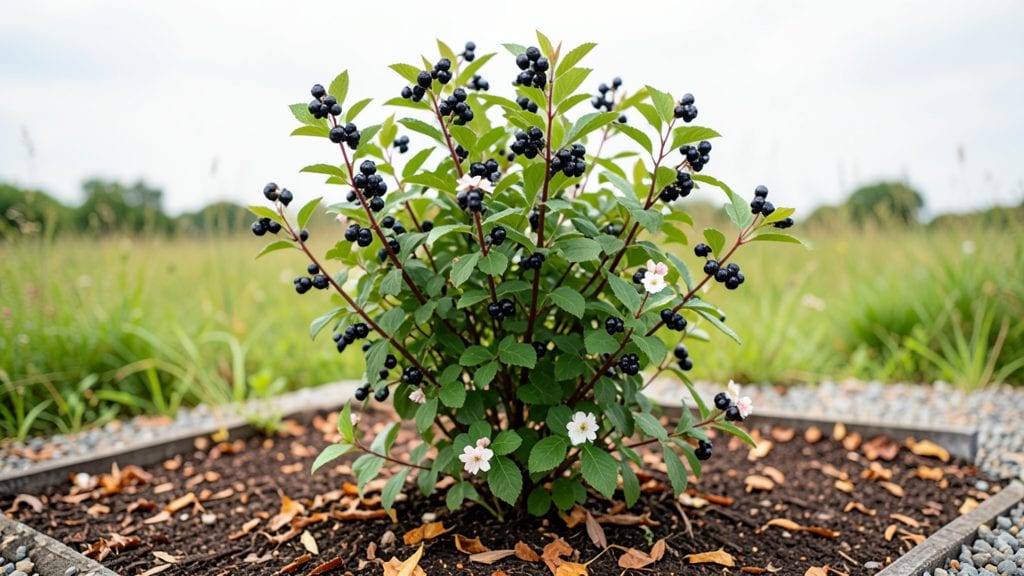
Perennial fruit plants turn your garden into a self-replenishing harvest machine—no replanting, no annual fuss, just steady fruit for decades. 🌱 I’ve grown raspberries, figs, and grapes that keep producing long after I’ve forgotten where I planted them, and the secret isn’t luck—it’s choosing the right varieties for your climate and giving them the right conditions from day one.
The best part? These plants thrive with minimal effort once established. You’ll need well-draining soil, full sun for most varieties, and a pruning schedule that keeps them productive—not overgrown.
My go-to starters are raspberries (for cold climates), figs (for heat), and hardy grapes (for almost anywhere), but the real magic happens when you match plants to your local growing zone.
Imagine plucking ripe blackberries in July, harvesting figs in September, and still finding grapes in October—all from the same patch of ground. The yield builds year after year, and the plants become tougher with age.
You’ll spend less time fighting weeds and pests (once you learn the tricks) and more time enjoying the harvest that just keeps coming.
Works in small urban yards, large rural plots, or even containers for balconies. The key is starting right—so let’s get your perennial fruit garden set up for success.
📚 In This Guide
- What you need
- Instructions
- Tips and common mistakes
- Wrapping up and next steps
What you need
- ● Perennial fruit plants: Choose 3–5 varieties (e.g., blueberries, raspberries, figs, or gooseberries) based on your climate zone. Start with 1–2 plants per type for manageable yields.
- ● Well-draining soil: Test your soil’s pH (ideally 4.5–6.0 for blueberries, 6.0–7.0 for most others). Amend with compost or peat moss if needed.
- ● Organic mulch: 2–3 inches of wood chips, straw, or pine needles to retain moisture and suppress weeds.
- ● Fertilizer: Slow-release organic options like fish emulsion, compost tea, or balanced 10-10-10 (follow package rates).
- ● Drip irrigation or soaker hoses: 1–2 lines to deliver 1–1.5 inches of water weekly (adjust for drought).
- ● Pruning shears: Sharp, bypass-style shears (disinfect with rubbing alcohol between cuts).
- ● Gloves & long sleeves: Protect against thorns (e.g., raspberries, blackberries).
- ● Trellis or stakes: For climbing varieties like kiwi or passionfruit (install at planting).
- ● Row covers: Lightweight fabric to protect young plants from pests or frost.
- ● pH testing kit: For precise adjustments (especially for acid-loving plants).
- ● Harvest baskets or containers: To keep fruit clean and organized.
How to plant and maintain perennial fruit plants for reliable harvests
Here's the straightforward approach I use to establish hardy, low-maintenance perennial fruit plants.
🌱 Step 1: Choose the Right Location and Prepare the Soil
Perennial fruit plants thrive where they get at least 6 hours of sunlight daily—more is better for heavy producers like raspberries or blackberries. I always test the soil pH first (aim for 6.0-6.5) because acidic soil stunts root growth. If your soil tests higher, amend with 2-3 pounds of sulfur per 100 square feet and mix it into the top 12 inches of soil.
Loosen the soil to a depth of 12-18 inches using a broadfork or tiller. This prevents root-bound stress later. Work in 2-3 inches of compost (the amount you'd spread over a 4x4-foot area) to improve drainage and fertility. Avoid fresh manure—it burns tender roots and attracts pests. Let the amended soil sit for 2-3 weeks before planting to let organic matter break down.
🪴 Step 2: Plant Bare-Root or Container-Grown Plants Correctly
For bare-root plants, soak the roots in lukewarm water for 1-2 hours before planting to rehydrate them. Dig a hole twice as wide as the root ball but no deeper—planting too deep suffocates the stem. Position the plant so the top of the root crown sits just above soil level (never buried). This prevents rot and ensures new growth emerges above ground.
If using container-grown plants, score the sides of the root ball with a knife to encourage roots to spread outward. Backfill with native soil mixed with 1 part compost (about 1 gallon per plant) to maintain loose texture. Water deeply right after planting—1 gallon per plant—to eliminate air pockets. Mulch with 2-3 inches of wood chips (enough to cover the planting area) to retain moisture and suppress weeds.
☀️ Step 3: Water and Fertilize for Establishment
Keep the soil evenly moist but not soggy for the first 6-8 weeks after planting. Water deeply 2-3 times per week, checking that moisture reaches 6 inches deep. Overwatering now causes root rot, while underwatering stresses plants before they establish. You'll know you're doing it right when the soil feels damp 2 inches below the surface but not dripping wet.
Apply a balanced organic fertilizer (10-10-10) at half-strength 4-6 weeks after planting. This gives plants a gentle nutrient boost without burning new roots. I use 1 tablespoon per plant (about 1/4 cup for 4 plants) and water it in thoroughly. Avoid high-nitrogen fertilizers—they promote leafy growth at the expense of fruit production. Repeat fertilization in early spring and mid-summer for consistent yields.
✂️ Step 4: Prune and Maintain for Year-Round Productivity
Prune dormant plants in late winter (before buds swell) to remove dead, diseased, or crossing branches. Cut back one-third of the oldest canes to encourage new, vigorous growth. For berries like raspberries, prune floricanes (last year's canes) after harvest—they won't produce fruit again. Always use clean, sharp pruners to avoid tearing bark and inviting infections.
Watch for pests like aphids or spider mites—they thrive on stressed plants. I spray neem oil (mixed per label instructions) at the first sign of trouble. Mulch annually with 1-2 inches of fresh wood chips in early spring to replenish organic matter. This keeps soil loose and feeds beneficial microbes that boost fruit flavor. Harvest when fruits are fully colored and plump—waiting too long reduces quality.
Tips & tricks for perfect perennial fruit plant harvests
These simple strategies will help you establish perennial fruit plants that thrive year after year with minimal fuss.
Soil Prep Secret: Don't rush the soil preparation in Step 1! That 2-3 week waiting period after amending is crucial—it lets compost break down and sulfur adjust the pH properly. I've seen beginners skip this and end up with plants that struggle to establish. Think of it as letting the soil "rest" before planting. For heavy clay soils, consider adding 1 part perlite to your 2-3 inches of compost to improve drainage without changing the recipe's core requirements.
Planting Depth: The root crown position in Step 2 is where many gardeners go wrong. That top of the root crown should be just barely above soil level—if it's buried even an inch, you'll get rot. I like to use a small stick as a reference when planting to mark that exact level. For container-grown plants, that 1 gallon of compost per plant makes all the difference in preventing transplant shock.
Watering Wisdom: The 6-8 week establishment period in Step 3 is your chance to get watering right. I set up a simple drip irrigation system on a timer for 15 minutes every other day during this phase—it keeps soil consistently damp at 2 inches deep without overwatering. If you're hand-watering, check moisture with your finger: it should feel like a wrung-out sponge, not a dripping wet washcloth.
Pruning Pro Tip: When pruning in Step 4, I mark the one-third of oldest canes with colored tape before cutting—this helps me visualize which ones to remove. For berries, always prune floricanes immediately after harvest so they don't sap energy from new growth. Keep your pruners clean by wiping them with rubbing alcohol between cuts to prevent spreading disease.
Pro Tips for Perennial Fruit Plants
- These simple strategies will help you establish perennial fruit plants that thrive year after year with minimal fuss.
- Soil Prep Secret: Don't rush the soil preparation in Step 1!
- Planting Depth: The root crown position in Step 2 is where many gardeners go wrong.
Frequently asked questions
Got questions about growing perennial fruit plants? You’re not alone! Here are some of the most common queries—plus straightforward answers to help you thrive.
What are the easiest perennial fruit plants for beginners?
Start with hardy, low-maintenance options like arctic kiwi (a cold-tolerant vine), gooseberries, or currants. These require minimal fuss, produce reliably, and handle pruning well. Elderberries and hardy figs are also great for first-timers—just ensure they’re planted in the right USDA zone!
How long does it take for perennial fruit plants to bear fruit?
Patience is key! Most perennials take 1–3 years to fruit after planting. For example, arctic kiwi may take 2–3 years, while blueberries can fruit in as little as 1–2 years with proper care. Pro tip: Fertilize annually and prune correctly to speed up the process!
Can perennial fruit plants survive harsh winters?
Absolutely—many are bred for cold climates! Arctic kiwi, gooseberries, and currants thrive in zones 3–7, while hardy figs handle zones 5–9. Mulch heavily in fall and protect young plants with burlap wraps if temps drop below 10°F. Always check your plant’s specific zone range!
What’s the best way to extend the harvest season for perennial fruits?
Plant a mix of early-, mid-, and late-ripening varieties (e.g., June-bearing strawberries + everbearing raspberries). Use row covers or cold frames to protect early blooms from frost. For berries like blueberries, prune in late winter to encourage new growth—and harvest in stages for a prolonged feast!
How do I deal with pests or diseases in perennial fruit plants?
Prevention is your best tool! Copper sprays deter fungal issues (like powdery mildew), while neem oil keeps pests like aphids at bay. Rotate planting spots every few years to break disease cycles. For persistent problems, research resistant varieties (e.g., ‘Jersey’ blueberries resist mummy berry).
Can I grow perennial fruits in containers?
Yes! Dwarf varieties like patio blueberries, miniature figs, or container-friendly gooseberries thrive in pots (5+ gallons). Use well-draining soil, place in full sun, and water consistently. Pro tip: Move containers indoors or to a garage during hard freezes to protect roots!
Wrapping up and next steps
Perennial fruit plants offer a game-changing way to enjoy fresh, homegrown harvests with minimal effort—no replanting, no fuss, just years of delicious rewards! 🍓 From hardy berries to tropical delights, these plants prove that low-maintenance gardening and bountiful yields go hand in hand.
Whether you’re a seasoned gardener or just starting out, now’s the perfect time to plant, prune, and savor the sweet taste of success.
Ready to dive in? Start small—pick one or two perennials to test in your garden this season, then expand as you gain confidence. Happy growing, and here’s to a fruit-filled future! 🌱✨