
Planting
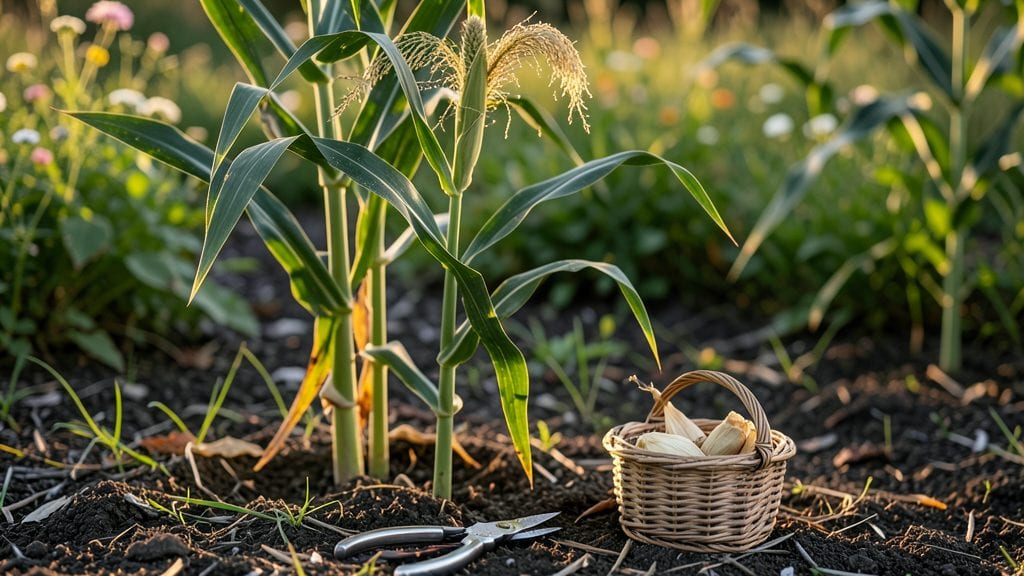
The popcorn plant's perennial nature means it can survive for years if given the right conditions—think USDA hardiness zones 5-9. 🌿 Its deep root system and woody stems allow it to bounce back from winter dieback, unlike true annuals that complete their lifecycle in one season.
In colder areas, gardeners often treat it as an annual because the cold can kill the top growth, but the roots may still persist underground, ready to sprout again in spring.
What sets this plant apart is its ability to regenerate from the base, even if frost damages the stems. This resilience makes it a favorite among gardeners who want long-term color without annual replanting.
However, in regions with harsh winters, the plant may not survive beyond one season unless you take extra steps like mulching or overwintering indoors.
💡 In This Article
- Botanical Lifecycle of Popcorn Plant: Perennial Traits Explained
- Growing Popcorn Plant as Annual vs. Perennial: Practical Choices
Botanical lifecycle of popcorn plant: perennial traits explained
The popcorn plant (Caryopteris incana) thrives as a perennial because of its deep, fibrous root system that extends 3-5 feet below ground.
This extensive network allows it to store nutrients and moisture during dormancy, similar to lavender (Lavandula) or butterfly bush (Buddleja), which also rely on robust root systems for survival.
The plant's woody stems—up to 3-5 feet tall—contain vascular bundles that transport water and nutrients efficiently, even in adverse conditions. 🌱
Seasonal dieback occurs when temperatures drop below 10°F (-12°C), causing above-ground growth to blacken and appear dead. However, the roots remain viable, ready to sprout new shoots once temperatures rise.
This dormancy strategy contrasts with true annuals like marigolds, which complete their entire lifecycle in one season without regrowth potential. In USDA zones 5-9, the plant naturally overwinters, while colder zones (below 5) often require protective measures like thick mulch.
The plant's cold tolerance varies by cultivar—some varieties handle -15°F (-26°C) brief exposures, while others struggle below 10°F (-12°C). This variation explains why gardeners in northern climates treat it as an annual, despite its perennial classification.
The key difference lies in the root system's resilience: even if stems freeze, the roots often survive to regenerate, unlike true annuals that die completely after frost.
Comparing it to other woody perennials reveals its unique balance: lavender dies back but regrows vigorously, while butterfly bush often requires staking. The popcorn plant's self-supporting growth habit and drought tolerance once established make it particularly low-maintenance.
Its silver-blue foliage and summer blooms add seasonal interest without demanding constant attention, unlike many annuals that require frequent deadheading and replanting. ✨
What most gardeners overlook is how the plant's growth cycle adapts to climate. In mild winters, it may retain some foliage year-round, while harsh winters trigger complete dormancy.
This flexibility is why it's classified as a perennial in its native Asian range (where winters are mild) but often grown as an annual in colder North American regions. The distinction isn't biological but practical—root survival determines whether it's truly perennial in your specific climate.
For visual comparison, imagine a lavender plant's woody base versus the popcorn plant's more flexible stems. Both store energy underground, but the popcorn plant's stems are less rigid, allowing them to bend rather than snap under snow or ice weight.
This adaptability gives it an edge in windy or snowy climates where more brittle perennials might suffer damage. 💫