
Flowers
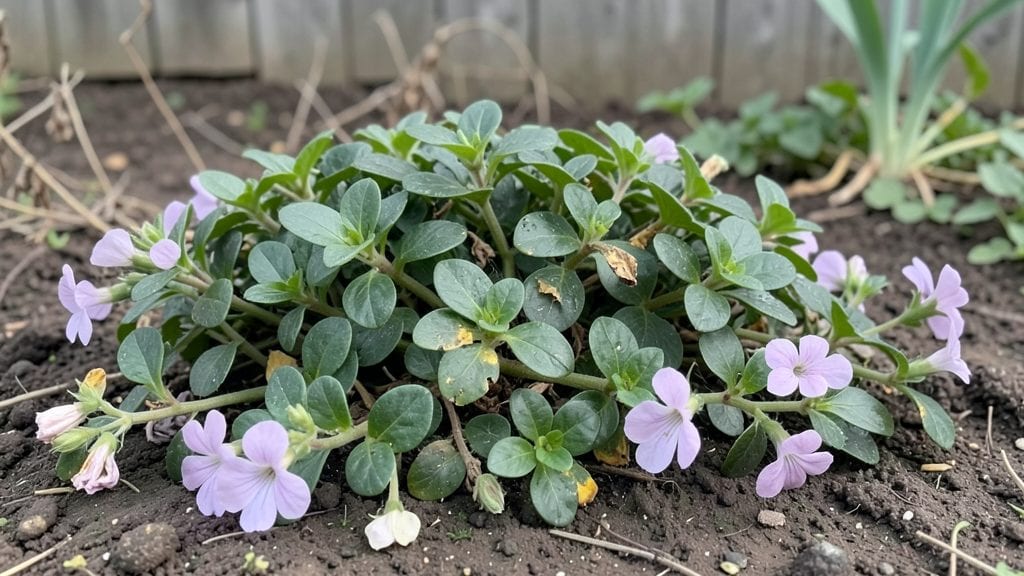
Deciding whether vinca vine is annual or perennial depends on your climate: it thrives as a perennial in zones 7-11 but dies back in colder regions, requiring winter protection or replanting each year.
This hardy groundcover's lifespan shifts with temperature—where winters stay above 20°F, vinca returns year after year, sending out fresh foliage and blooms from the same roots. 🌿 In chillier zones, though, even a light frost can kill it back to the ground, forcing gardeners to treat it like an annual unless they take protective measures.
The key difference from true annuals? Vinca's roots survive in warmer zones, ready to sprout again when conditions improve.
For gardeners in marginal zones (6-7), the solution often comes down to timing and technique. Mulching heavily with straw or leaves before the first freeze can buy vinca extra protection, while potted plants moved indoors offer another option.
Some cold-hardier varieties like 'Illumination' or 'Blue Pacific' tolerate slightly cooler temps better than others, making them better bets for northern gardens.
💡 In This Article
- Vinca Vine Lifespan Explained: Perennial vs. Annual Growth Cycles
- Extending Vinca Vine’s Life: Cold Hardiness Zones and Winter Care
Vinca vine lifespan explained: perennial vs. annual growth cycles
Here's what's actually happening with vinca vine's lifespan: it's classified as a perennial because its root system can survive multiple growing seasons in frost-free environments. In zones 7-11, where winter temperatures rarely drop below 20°F, vinca develops a robust underground network that stores energy for regrowth.
This root system can live for 5-7 years or longer under ideal conditions, producing new shoots each spring from the same established roots.
The key difference from true annuals like impatiens lies in its cold tolerance threshold. True annuals complete their entire life cycle in one season, while vinca's roots remain dormant but viable through mild winters.
When temperatures fall below 15°F for extended periods, though, the roots begin to suffer cellular damage. This is why vinca acts like an annual in colder zones—its above-ground growth dies back, but the roots may still survive if protected properly.
What most people don't realize is how vinca's growth pattern compares to other groundcovers. Unlike creeping thyme or ajuga that spread aggressively through runners, vinca grows more slowly but establishes deeper roots.
Its 4-12 inch growth habit means it competes less aggressively with other plants, making it a better perennial choice for mixed borders where other plants might outcompete it in warmer climates.
The science behind vinca's cold sensitivity involves its cold-hardiness proteins that protect cellular structures. These proteins work well down to about 18°F, but prolonged exposure to colder temps causes ice crystal formation in the roots.
This is why even a 24-hour freeze at 10°F can kill back vinca completely in marginal zones. The plant's natural dormancy mechanisms simply can't handle extended sub-freezing conditions.
Consider these key factors when evaluating vinca's lifespan in your garden:
- Root depth: Mature vinca roots extend 12-18 inches deep, which helps them access moisture during dry spells but also makes them vulnerable to soil heaving during freeze-thaw cycles.
- Variety matters: 'Illumination' vinca tolerates slightly cooler temps than standard varieties, making it a better choice for zone 6 gardens with proper protection.
- Growth rate: Vinca grows 6-12 inches per year, so establishing plants have a better chance of surviving winter than young seedlings.
In warmer climates, vinca's perennial nature means you'll see the same plants returning year after year with minimal effort. The plant's ability to self-seed also contributes to its longevity in frost-free areas, creating natural colonies over time.
This contrasts sharply with true annuals that must be replanted every season, making vinca's perennial status a significant advantage for low-maintenance gardeners in suitable climates. 🌿