
Orchid Care
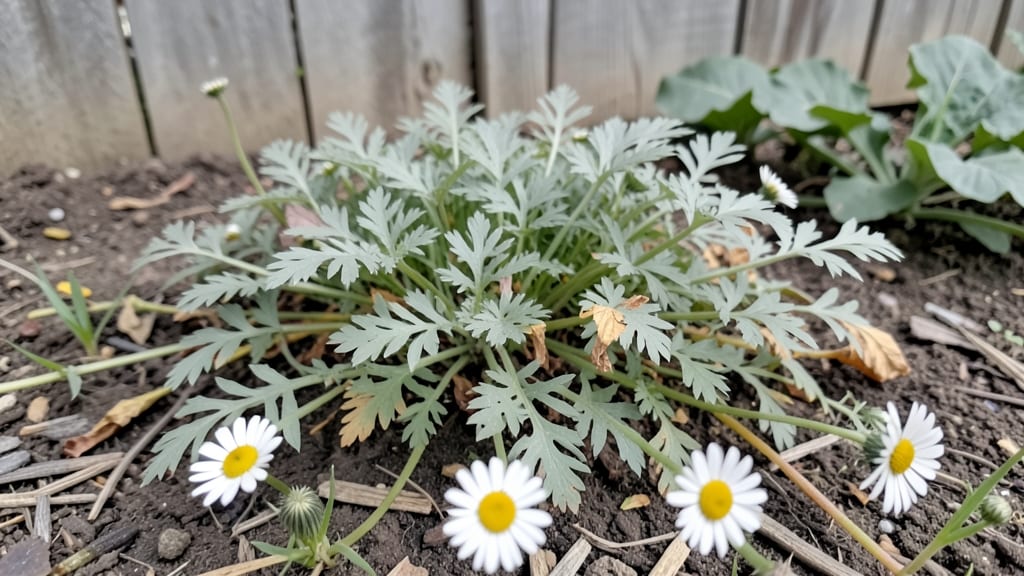
Deciding whether chamomile grows as an annual or perennial depends on your climate and variety—most gardeners treat it as an annual, but German chamomile (Matricaria chamomilla) may self-seed and return as a short-lived perennial in mild winters. For true perennial varieties like Roman chamomile (Chamaemelum nobile), zones 5-9 with proper winter protection are key.
Most chamomile plants behave like annuals because they complete their life cycle in a single season, blooming prolifically but dying back with frost. 🌱 However, German chamomile’s ability to self-seed means it may return the following year if conditions are right—think of it as a "volunteer" perennial.
Roman chamomile, the true perennial, holds its own in colder zones when given extra winter care like thick mulch or frost cloth.
This distinction matters for gardeners planning long-term beds. Annual varieties are perfect for quick blooms and easy cleanup, while perennial types reward patience with years of low-maintenance flowers. I’ve found that even short-lived perennials like German chamomile can create a naturalizing effect over time if you let the seeds scatter.
💡 In This Article
- Chamomile Growth Cycle: Annual vs Perennial Life Stages
- Extending Chamomile’s Season: Cold Hardiness and Overwintering Tips
Chamomile growth cycle: annual vs perennial life stages
The key difference between annual and perennial chamomile lies in their root systems and reproductive strategies. Annual varieties like German chamomile (Matricaria chamomilla) develop shallow fibrous roots that focus all energy on rapid growth and flowering within a single season—typically 60-90 days from seed to bloom.
This fast life cycle explains why they're often treated as annuals, even though some plants may self-seed. Perennial types like Roman chamomile (Chamaemelum nobile) grow deeper taproots that store nutrients, allowing them to regenerate each spring from the same root base.
Flowering cycles reveal another critical difference. Annual chamomile produces 1-3 inch daisy-like blooms in dense clusters, often with 30-50 flowers per stem, all within a 4-6 week window. The plant's energy goes entirely into seed production before dying back.
Perennial varieties bloom more modestly—10-20 flowers per stem—but over an extended 6-8 week period each season, with some varieties flowering twice. The scent difference is also notable: annual types have a stronger, sweeter aroma due to higher volatile oil content during their brief flowering window.
Climate zones dramatically alter these growth patterns. In zones 8-10, German chamomile often behaves as a short-lived perennial because mild winters rarely kill the shallow roots. However, in zones 5-7, even a 20°F freeze will terminate annual varieties completely.
Roman chamomile's true perennial nature shines in these colder zones when protected, as its roots can survive down to 10°F with proper insulation. The trade-off? Perennial types take 2-3 years to reach full flowering potential compared to annuals' 60-90 days.
What most gardeners miss is how seed germination timing creates this annual illusion. Annual chamomile seeds germinate in 7-14 days at 60-70°F soil temperatures, producing mature plants just as summer heat peaks.
The seeds then scatter aggressively, creating next year's potential volunteers—but only if summer temperatures stay above 75°F long enough for seed maturation. In cooler climates, these seeds simply don't have time to develop before frost, forcing gardeners to replant annually. 🌱
Root structure explains this behavior too. Annual chamomile develops roots only 2-4 inches deep, while perennial varieties grow roots 12-18 inches deep. This deeper system allows perennials to access moisture during summer droughts and store carbohydrates for winter survival.
The difference becomes visible when you dig: annual roots look like tangled white threads, while perennial roots resemble thick, woody strands with storage nodules.
Here's the practical implication: if you're growing chamomile for tea production, annual varieties give you 2-3 times more flowers per plant in a single season, but require annual replanting. For landscape use where you want consistent blooms with minimal effort, perennial types win—though they'll take 2 years to establish properly.
The secret to success with perennials? Plant in early spring when soil reaches 55°F to give roots time to develop before winter.