
Container Gardens
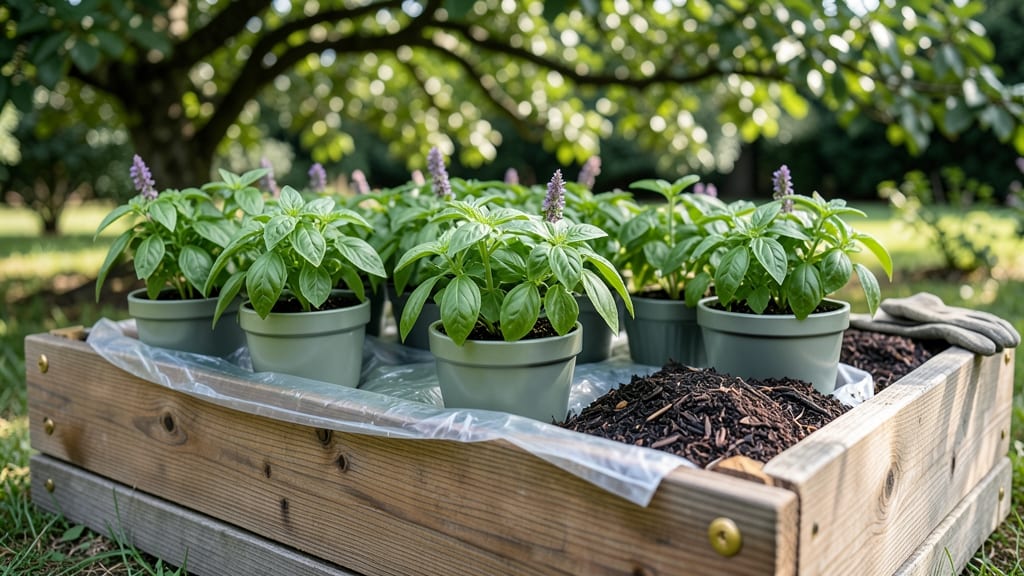
Plastic under bed containers solve one of gardening’s biggest headaches: disorganized storage that wastes precious space. 🌱 I’ve used them to turn my cluttered shed into a tidy, pest-proof system where tools, pots, and soil bags actually fit—no more tripping over loose supplies or damp cardboard boxes rotting in the corner.
The right setup keeps everything dry, accessible, and protected from critters while freeing up your garage or basement for actual gardening projects.
The secret isn’t just stacking them high—it’s ventilation and moisture control. Most plastic bins trap humidity, which can corrode tools or spoil organic materials. Drill a few small holes in the sides (or use bins with built-in vents) to prevent condensation buildup.
Line shelves with breathable fabric (like burlap or old towels) instead of plastic to wick away moisture while keeping pests out. For heavy items, add rubber shelf liners to protect your floors from scratches and prevent bins from sliding when you’re digging through them.
What you’ll end up with is a system that actually works—no more digging through dusty boxes to find that one missing trowel or struggling to reach the back corner for your compost bin.
Tools stay sharp, soil stays dry, and you’ll finally have room to expand your garden instead of storing it. The payoff? A cleaner workspace, faster prep time, and zero more lost season extensions because you couldn’t find your gloves when the first frost hit.
This works for any outdoor space—whether you’re tucked into a tiny backyard, a balcony, or even a rented apartment with limited storage. The key is adjusting for your climate: in humid areas, add extra ventilation; in dry climates, seal gaps to keep dust out.
Start with what you’ve got, and upgrade as you go—your future self (and your garden) will thank you.
📚 In This Guide
- What you need
- Instructions
- Tips and common mistakes
- Wrapping up and next steps
What you need
- ● Plastic under-bed storage containers: 2–4 units (depending on space and needs). Choose stackable, airtight containers with lids (e.g., 12"–18" length, 6"–8" height). Pro tip: Opt for clear or labeled containers for easy identification! 💡
- ● Measuring tape: 1 (to ensure containers fit snugly under your bed frame).
- ● Non-slip pads or rubber shelf liner: 1–2 sheets (to prevent scratches and keep containers stable).
- ● Heavy-duty labels or a label maker: 1 (for organizing items like "Winter Clothes" or "Seasonal Decor").
- ● Screwdriver or Allen wrench: 1 (if your bed frame requires adjustments for clearance).
- ● Container divider trays: 1–2 (to separate smaller items like jewelry or accessories).
- ● Bubble wrap or packing paper: 1 roll (to cushion delicate items or fill empty spaces).
- ● Portable vacuum (for under-bed cleaning): 1 (if your bed frame has dust bunnies lurking!).
Step-by-Step instructions for organizing under-bed storage
Here’s how to turn wasted space into a clutter-free zone with sturdy, stackable containers.
🪴 Step 1: Measure Your Space and Choose Containers
Start by measuring the length and width of your bed frame—most standard beds fit 4-6 containers side by side. Look for plastic under-bed storage bins with low profiles (4-6 inches tall) to maximize vertical stacking. I recommend clear or labeled containers so you can see contents at a glance without digging.
Check the bed frame’s clearance—some have built-in supports that block deeper bins. If your space is tight, opt for shallow, wide containers that slide in easily. Avoid overstuffing; leave 1-2 inches of space between bins to prevent crushing when stacked.
💧 Step 2: Clean and Prepare the Area
Remove any dust bunnies or debris from under the bed using a vacuum or damp cloth. This keeps pests (like silverfish or spiders) from moving into your new storage. If your bed frame has fabric skirts, fold them up or secure them with clips to create a smooth, flat surface for sliding containers in.
For extra protection, lay down a thin plastic sheet (like a painter’s drop cloth) to shield the floor from dust or moisture. This step is especially useful in basements or laundry rooms where humidity can warp cardboard or damage stored items.
☀️ Step 3: Load Containers Strategically
Start with the heaviest items at the bottom—think seasonal decor, extra pillows, or toolboxes. Distribute weight evenly so containers don’t tip when stacked. For fragile items, use soft fabric dividers inside the bins to prevent shifting during moves.
Label each container on the outside lid with a marker or printable labels. I use a simple color-coding system (e.g., blue for holiday decor, red for emergency supplies) so I can grab what I need without rummaging. Place frequently used items in the front row for easy access.
⏰ Step 4: Stack and Secure for Stability
Stack containers no higher than 3 tiers to avoid toppling. Interleave bins with cross-bracing—place one container’s lid against the next bin’s base to create a stable platform. For extra security, use clear plastic bin locks or rubber bands to keep lids from popping open when you lift them.
Test the setup by gently tugging on the top row. If anything wobbles, adjust the weight distribution or add a non-slip mat under the bottom layer. This prevents shifting when you pull the bed out later.
🌱 Step 5: Maintain and Rotate Seasonally
Check your under-bed storage twice a year—spring and fall—to rotate items. This prevents crushing and lets you swap seasonal decor or holiday supplies. Store airtight containers with silica gel packets inside to protect fabric or paper items from moisture.
If you notice dust buildup, wipe down containers with a damp microfiber cloth every few months. Avoid vacuuming directly on plastic—it can scratch the surface. For pest prevention, sprinkle diatomaceous earth lightly in empty bins before storing non-essential items.
Tips & tricks for maximizing under-bed storage space
Between us, these little adjustments can turn your under-bed area from a dusty void into a functional storage powerhouse.
Container Selection: I learned this the hard way—don't just grab any plastic bins. Look for ones with removable, washable dividers inside. These let you customize compartments for different items (like separating holiday lights from extra blankets). The dividers also prevent smaller items from getting lost at the bottom of deep bins.
Weight Distribution: In Step 3, when you're loading containers, think of them like a Jenga tower—heaviest at the bottom, lightest at the top. I once had a stack collapse because I put my heavy winter coats in the top bins. Place your 4-6 containers side by side with the heaviest items (like toolboxes) in the center containers, not the ends. This creates a stable base that won't shift when you pull the bed out.
Accessibility Hack: Here's what nobody tells you about Step 3's labeling system: Use waterproof labels on the sides of containers, not just the lids. When you pull out the bed, you'll see the labels immediately without having to lift each container. I also add a small colored dot on the lid corners to match my color-coding system—it's a quick visual cue when you're in a hurry.
Pest Prevention: For Step 2's cleaning, go beyond just vacuuming. Place a small dish of diatomaceous earth in each corner of the area before sliding in containers. This natural powder creates an invisible barrier that deters pests without chemicals. Just avoid inhaling it—wear a mask when applying. The thin plastic sheet mentioned in Step 2 doubles as a temporary barrier while you're setting up.
Pro Tips for Plastic Under Bed Containers
- Between us, these little adjustments can turn your under-bed area from a dusty void into a functional storage powerho...
- Container Selection: I learned this the hard way—don't just grab any plastic bins. Look for ones with removable, wash...
- Weight Distribution: In Step 3, when you're loading containers, think of them like a Jenga tower—heaviest at the bott...
Frequently asked questions
Got questions about storing plastic under-bed containers? Here are some common ones—and their answers—to help you organize like a pro!
Why should I use plastic containers under my bed instead of cardboard boxes?
Plastic containers are pest-proof (no critters sneaking in!), durable, and stackable—unlike flimsy cardboard. They also resist moisture, keeping your stored items safe from humidity or leaks. Plus, they’re reusable for years, saving you money long-term.
How do I choose the right size for under-bed storage?
Measure your bed frame’s clearance first! Standard heights allow for 6–12 inches of space. Opt for containers with low profiles (under 6 inches tall) to maximize stacking. Look for handles or lids for easy access—no bending required!
Can I store heavy items like books or tools in these containers?
Check the container’s weight capacity (usually listed on the label). Lightweight plastic bins (like those for seasonal decor) hold 10–20 lbs, while heavy-duty ones (for tools or books) can support 50+ lbs. Distribute weight evenly to avoid warping or breaking the bed frame.
What’s the best way to keep pests out of my under-bed containers?
Seal containers with airtight lids and use silicone seals for extra protection. Store items in vacuum-sealed bags or odor-proof bags for food or fabrics. Avoid storing perishables (like paper) and inspect containers monthly for gaps or damage.
How do I clean and maintain my plastic under-bed containers?
Wipe containers with mild soap and water; avoid harsh chemicals that may weaken plastic. For stubborn grime, use a vinegar solution (1:1 ratio). Let them air-dry completely before restacking. Replace cracked or warped containers to prevent pests or leaks.
Are there eco-friendly alternatives to plastic under-bed containers?
Yes! Try recycled plastic (like #2 HDPE), corrugated cardboard boxes (with pest-proof liners), or woven storage bins (breathable and durable). For sustainability, repurpose glass jars (for lightweight items) or metal bins (if weight isn’t an issue).
Wrapping up and next steps
Plastic under-bed storage containers are a game-changer for maximizing space while keeping your home clutter-free and pest-proof! 🌟 Whether you’re storing seasonal items, gardening supplies, or extra linens, these stackable solutions make organization effortless.
The key is choosing durable, airtight containers that fit your needs—now you’re ready to transform underutilized space into a tidy haven.
Ready to take the next step? Measure your space, pick your containers, and start organizing today! With a little planning, you’ll wonder how you ever lived without them.