
Tools
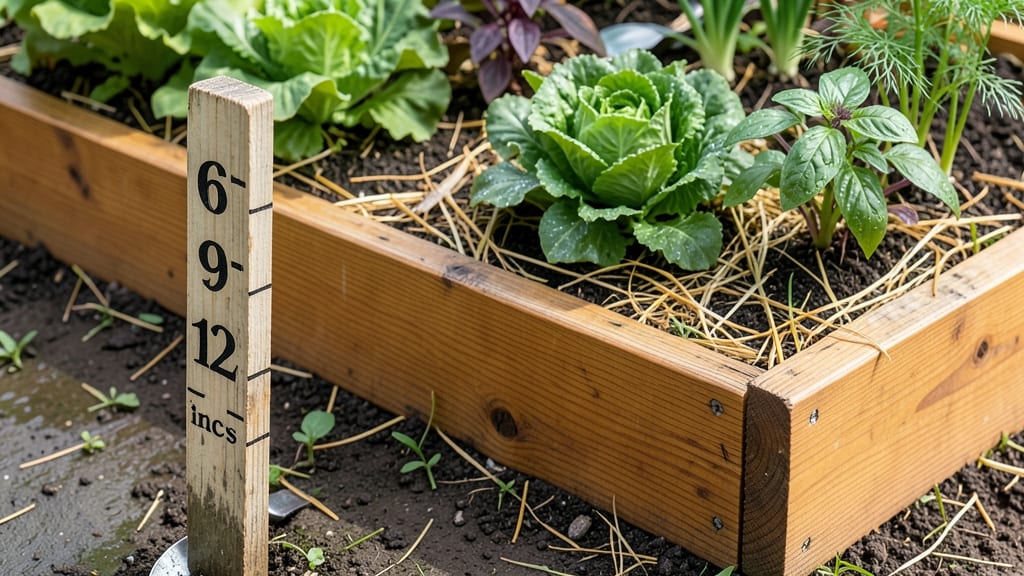
Determining garden bed height is essential for healthy plant growth: most vegetables perform best in 6-12 inches of soil, while deep-rooted crops like carrots and potatoes require 12-18 inches, and many herbs thrive in shallower 6-10 inch beds. Raised beds provide excellent drainage and root space but must be tailored to each plant's specific needs.
Getting the soil depth right directly impacts how well your plants grow. 🌱 For example, leafy greens like lettuce and spinach only need about 6 inches of soil, while root vegetables such as beets and radishes benefit from deeper beds to prevent stunted growth.
Raised beds are especially useful because they let you control soil quality and drainage—just make sure the height matches what your plants need, whether you're growing shallow herbs or deep-rooted vegetables.
When planning your garden layout, consider how different plants will interact. Tall crops like tomatoes or peppers can be placed on the north side of raised beds to avoid shading shorter plants, while root crops should go in the deepest sections.
This strategic placement maximizes space and ensures every plant gets the right growing conditions.
💡 In This Article
- How Soil Depth Affects Root Growth in Vegetable Gardens
- Building the Perfect Raised Garden Bed for Different Crops
How soil depth affects root growth in vegetable gardens
Root systems develop based on available space and soil conditions. Deep-rooted vegetables like carrots and parsnips need 12-18 inches of loose, well-drained soil to grow straight and fully. Their roots can extend up to 12 inches deep, so compacted soil forces them to grow sideways, creating misshapen produce.
Shallow-rooted plants like basil or thyme only need 6-10 inches because their fibrous roots spread horizontally near the surface, absorbing nutrients from the topsoil layer.
The science behind this lies in oxygen availability and moisture retention. Deeper beds allow roots to access water and nutrients at lower levels while preventing suffocation from waterlogged soil. For example, potatoes—another deep-rooted crop—require 12-18 inches of soil to form proper tubers.
When you plant them, the stems need room to grow upward while roots expand downward, creating the classic potato "hill." 🌱 Compacted soil restricts this growth, leading to smaller yields and stunted plants.
Herbs like rosemary and oregano thrive in shallower beds because they naturally grow in rocky, nutrient-poor Mediterranean soils. Their roots adapt to limited depth by spreading widely rather than growing deep.
This is why raised beds for herbs can be as low as 6 inches—any deeper risks overwatering their delicate root systems. The key is matching bed height to the plant's natural growing habits, whether it's a deep taproot or a sprawling fibrous network.
Soil aeration also plays a critical role. Deep beds with proper drainage allow roots to breathe, while shallow beds can become waterlogged quickly. For instance, lettuce—with roots only 6-8 inches deep—prefers moist but well-drained soil.
If planted in a 12-inch bed without proper drainage, its roots may rot from excess moisture. This is why raised beds with side walls are ideal: they prevent soil from compacting over time and allow roots to explore deeper layers naturally.
Consider the texture of your soil too. Sandy soils drain quickly but may not retain enough moisture for deep-rooted plants, while clay soils hold water but can suffocate roots. Amending soil with compost improves both aeration and moisture retention, creating the perfect environment for roots to grow.
For example, adding 2-3 inches of compost to the bottom of a 12-inch bed gives deep-rooted crops a nutrient-rich foundation while still allowing proper drainage.
Finally, think about how plants interact in shared beds. Tall crops like sunflowers or corn cast shade, which can stunt the growth of shallow-rooted herbs beneath them. Placing deep-rooted vegetables on the south side of raised beds ensures they get maximum sunlight while protecting shallower plants from overheating.
This strategic placement maximizes space and ensures every plant gets the right growing conditions—whether it's a 6-inch bed for herbs or a 18-inch bed for carrots.