
Planting
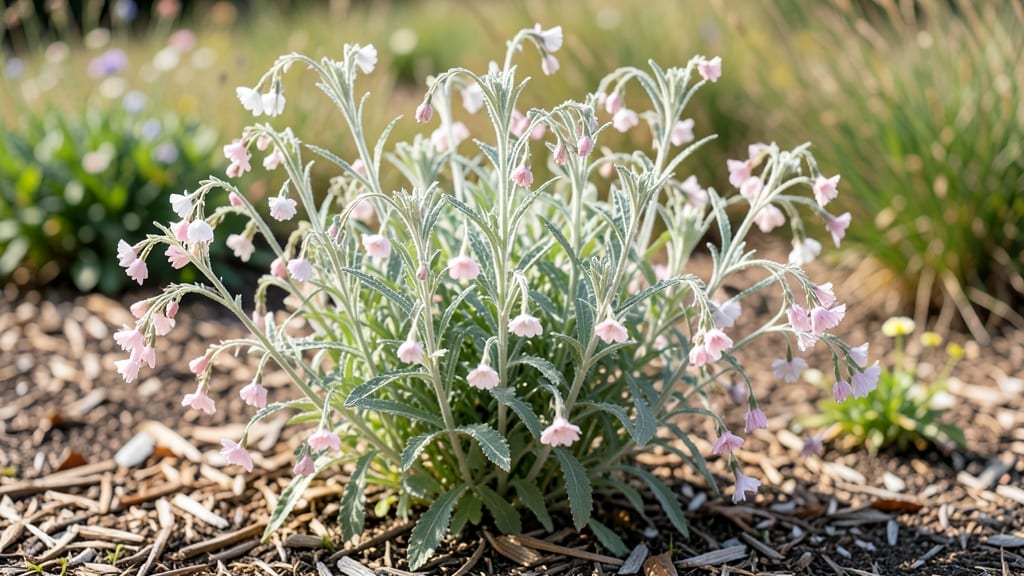
Planting gaura perennials is like inviting a sun-loving, drought-tough survivor into your garden—once established, they’ll bounce back year after year with delicate, airy blooms that dance in the breeze. 🌿 I’ve grown gaura in my dry, rocky soil for three seasons now, and it’s become my go-to for low-maintenance color that thrives when other plants wilt.
The key isn’t just dropping seeds or transplants into the ground; it’s matching their natural habits to your yard’s conditions.
Gaura loves full sun and well-draining soil—think sandy or gravelly mixes—so amending heavy clay with compost or grit makes all the difference. Spacing them 12 to 18 inches apart gives them room to spread without crowding, and their deep roots mean they’ll outcompete weeds once settled.
Watering is where the magic happens: give them a deep drink after planting, then let nature take over. These plants are so drought-resistant that once established, they’ll laugh at summer dry spells.
By midsummer, you’ll see those signature wand-like stems loaded with tiny, butterfly-attracting flowers that bloom continuously until frost. The best part? Gaura’s winter care is almost nonexistent—just a light trim back in early spring to tidy up.
No mulching, no fuss, just reliable blooms that return bigger and better each year. Perfect for borders, wildflower gardens, or anywhere you want effortless color.
Here’s the thing—gaura’s real secret weapon is its adaptability. Whether you’re in a hot, dry climate or a cooler region with well-drained soil, it handles both. Start with transplants for faster results, or sow seeds in spring for a slower but rewarding payoff.
Either way, you’re setting up a plant that’ll outlast trends and outperform fussy annuals.
📚 In This Guide
- What you need
- Instructions
- Tips and common mistakes
- Wrapping up and next steps
What you need
- ● Gaura perennial plants: 3–5 healthy nursery-grown plants (choose varieties like Gaura lindheimeri or Gaura 'Siskiyou Pink' for best results).
- ● Well-draining potting mix: 1–2 bags (look for a blend labeled for perennials or drought-tolerant plants).
- ● Garden soil (if planting directly): Amend with 1–2 inches of compost or organic matter to improve drainage.
- ○ Organic fertilizer (optional but recommended): A balanced, slow-release fertilizer (10-10-10 or similar) or compost tea for a nutrient boost.
- ● Garden trowel or hand shovel: For planting and transplanting.
- ○ Gloves (optional): To protect your hands from soil and thorns (some varieties have fine prickles!).
- ● Watering can or hose with a gentle spray nozzle: Gaura prefers deep but infrequent watering.
- ● Pruning shears (for later): To shape and maintain your plants after they’ve established.
- ● Sunlight: A location with full sun (6+ hours daily)—Gaura thrives in hot, sunny spots!
- ● Drought tolerance: Once established, Gaura needs minimal watering (water deeply 1–2 times per week after planting).
- ● Spacious planting area: Space plants 12–18 inches apart to allow for air circulation and growth.
- ● Patience: Gaura may take a few weeks to show signs of new growth—don’t worry, it’s worth the wait!
How to plant gaura perennials for long-lasting drought-resistant beauty
Here's the straightforward method I've used to establish thriving gaura plants that bounce back year after year.
🌱 Step 1: Choose the Perfect Planting Spot
Gaura thrives in full sun—at least 6-8 hours daily—so pick a location that gets plenty of light. I always check the afternoon sun pattern first because gaura can get crispy if exposed to hot, intense afternoon rays without some afternoon shade. A spot with well-draining soil is critical; these plants hate soggy feet.
If your soil is heavy clay, mix in 2-3 inches of compost or sand to improve drainage. Gaura's native to dry prairies, so it won't tolerate waterlogged conditions. Test your spot by digging a 6-inch hole—if water pools instead of draining within 10 minutes, amend the soil before planting.
🪴 Step 2: Prepare the Soil and Plant
Dig a hole twice as wide as the gaura's root ball but only as deep as the container it came in. This prevents burying the crown too deeply, which can cause rot. Gently loosen the roots if they're circling tightly in the pot—just tease them apart with your fingers.
Place the plant in the hole and backfill with soil, pressing lightly to remove air pockets. Water deeply right after planting to settle the soil and encourage root contact. You'll know it's done right when the soil looks evenly moist but not muddy at the surface.
☀️ Step 3: Water and Mulch for Establishment
Water deeply once a week for the first 4-6 weeks to help roots establish. Gaura is drought-tolerant once established, but young plants need consistent moisture. Water at the base—not overhead—to prevent fungal diseases. Stop watering once the plant shows new growth and the soil stays moist between rains.
Spread 2-3 inches of mulch (like pine straw or shredded bark) around the base, keeping it 2 inches away from the stem to prevent rot. Mulch helps retain moisture and keeps roots cool in summer. You'll see the difference in just a few weeks—plants mulched properly stay healthier and bloom longer.
✂️ Step 4: Prune and Maintain for Continuous Blooms
Cut back dead or faded blooms to the nearest leaf or bud in early summer to encourage more flowers. Gaura blooms on new growth, so don't be afraid to trim back one-third of the plant in late winter or early spring. This rejuvenates the plant and promotes bushier, fuller growth.
Fertilize lightly in early spring with a balanced, slow-release fertilizer (like 10-10-10). Gaura doesn't need much—too much fertilizer leads to leggy growth and fewer flowers. Watch for yellowing leaves, which can signal over-fertilization or poor drainage.
⏰ Step 5: Overwinter for Next Year's Blooms
Gaura is hardy in USDA zones 4-9, but in colder climates, it may need winter protection. Once the ground freezes, add a 2-3 inch layer of mulch around the base to insulate roots. In spring, remove old mulch and trim back any dead foliage before new growth appears.
You'll know it survived winter when new shoots emerge in early spring. Gaura is one of those perennials that rewards patience—once established, it spreads gently and blooms from early summer until frost. The key is giving it the right conditions upfront and minimal fuss afterward.
Tips & tricks for perfect gaura planting
These simple strategies will help you establish gaura perennials that thrive year after year with minimal effort.
Sunlight Strategy: While gaura loves full sun, I've found the afternoon sun is where it really shines—literally. If your garden gets intense afternoon heat, consider planting in a spot with some afternoon shade, especially in hotter climates. This prevents the delicate leaves from getting crispy while still giving it the 6-8 hours of sunlight it craves. I often plant mine near taller perennials that provide just enough shade during those critical afternoon hours.
Soil Test Tip: That 10-minute drainage test in Step 1 is your best friend. I've learned the hard way that even if your soil looks fine on the surface, it can compact underneath. For clay-heavy soils, I recommend mixing in equal parts compost and coarse sand—this creates perfect drainage while adding nutrients. You'll notice the difference immediately when water drains freely through the hole.
Planting Depth Secret: The hole should be as deep as the container but twice as wide—that's non-negotiable. I always double-check this because burying the crown too deeply causes rot, while planting too shallow exposes roots to temperature swings. A good rule of thumb is to plant so the top of the root ball sits just below soil level. This balance is what gives gaura its resilience.
Mulching Mastery: That 2-3 inch layer of mulch isn't just decoration—it's insulation. I've seen gaura plants in summer heat where proper mulching kept roots 10°F cooler than unmulched plants. Keep that mulch 2 inches away from the stem to prevent rot, and refresh it annually. You'll get longer blooming seasons and healthier plants as a result.
Pro Tips for Plant Gaura Perennial
- These simple strategies will help you establish gaura perennials that thrive year after year with minimal effort.
- Sunlight Strategy: While gaura loves full sun, I've found the afternoon sun is where it really shines—literally.
- Soil Test Tip: That 10-minute drainage test in Step 1 is your best friend.
Frequently asked questions
Got questions about growing gaura perennial? You’re not alone! Here are some of the most common ones—plus straightforward answers to keep your drought-resistant blooms thriving.
How long does it take for gaura perennials to bloom after planting?
Gaura typically blooms within 60–90 days of planting, though some varieties may take slightly longer. For faster results, opt for established plants (not seeds) or choose early-flowering cultivars like ‘Whirlybird’. Patience pays off—once established, they’ll reward you with months of color!
Why aren’t my gaura flowers opening fully?
If blooms stay tightly closed, it’s often due to heat stress or overcrowding. Gaura thrives in full sun but may "rest" on scorching days. Thin plants to 12–18" apart and ensure they’re well-drained. Morningsun exposure helps prevent bud drop too!
Can I cut back gaura perennials in fall or winter?
Yes! Trim back dead or leggy stems in late fall or early spring (after the last frost). Avoid heavy pruning in winter—gaura’s woody base protects it from cold. Never cut into the crown; focus on shaping, not size. Pro tip: Leave some seed heads for winter interest!
What’s the best alternative if gaura doesn’t thrive in my climate?
If your zone is too cold (below 4) or too humid, try these drought-tolerant perennials:
- Blackfoot Daisy (Melampodium leucanthum) – Loves heat, thrives in poor soil.
- Russian Sage (Perovskia atriplicifolia) – Silvery foliage, extreme drought tolerance.
- Yarrow (Achillea millefolium) – Blooms all summer, deer-resistant.
Are gaura perennials deer- or rabbit-resistant?
Gaura is moderately resistant—deer and rabbits usually avoid it unless other plants are scarce. For extra protection, plant in groups (they’re less appealing in clusters) or add deer-repellent herbs like lavender nearby. Bonus: Their fuzzy leaves can deter nibbling!
Wrapping up and next steps
Gaura perennials are the ultimate low-maintenance superstars for gardeners—offering stunning, drought-resistant blooms that keep coming back year after year! With their easy-care nature and vibrant colors, they’re perfect for adding effortless beauty to borders, rock gardens, or even containers. 🌸
Ready to transform your outdoor space? Start by choosing your favorite variety, prepping the soil, and planting with confidence. Watch your garden thrive with minimal effort—and enjoy the rewards for seasons to come!