
Flowers
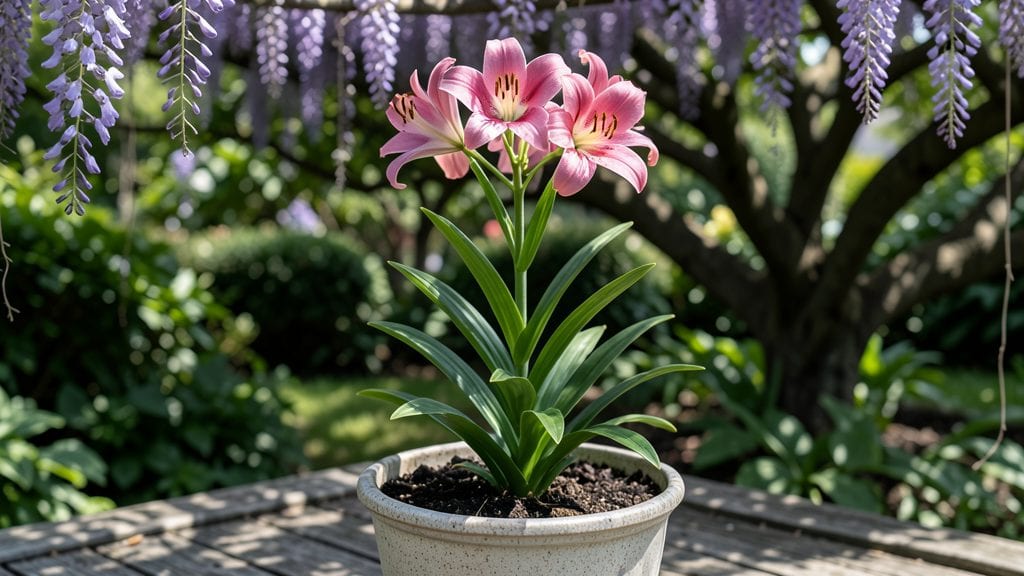
Oriental lilies aren’t just annuals—they’re perennials that reward patience with bold, fragrant blooms for years. 🌸 I’ve grown them for five seasons, and the key to their return every spring lies in how you treat them through winter.
Most gardeners assume they die back completely, but with the right care, they’ll surprise you with fresh growth by late spring.
The secret to their longevity starts with planting in zones 3–9, where they naturally overwinter. Mulch heavily in fall to protect the bulbs from freezing, and avoid cutting back foliage until it yellows completely—this feeds the bulb for next year’s blooms.
Oriental lilies need well-draining soil and at least six hours of sunlight daily, but they’re surprisingly low-maintenance once established.
By summer’s end, you’ll have foot-tall stems bursting with large, velvety blooms in shades of pink, white, or deep red. The fragrance alone makes them worth growing, but the real magic is watching them multiply over time.
With proper care, a single bulb can produce three to five stems by its third year, creating a stunning, long-lived display.
Here’s the game-changer: divide congested clumps every 3–4 years to prevent overcrowding, and you’ll get free plants for friends or new garden spots. No fancy tricks—just a fork, a shovel, and a little patience. The payoff? A garden that keeps getting better with age.
📚 In This Guide
- What you need
- Instructions
- Tips and common mistakes
- Wrapping up and next steps
What you need
- ● Oriental lily bulbs: Choose Lilium × orientalis or hybrids (e.g., ‘Stargazer,’ ‘Casa Blanca’). Buy 3–5 bulbs for a vibrant display.
- ● Well-draining potting mix: 5–10 gallons of a blend with 30–40% perlite or sand (e.g., miracle-gro potting mix + perlite).
- ● Garden soil (if planting outdoors): Amend with 2–3 inches of compost and 1 cup of bone meal per plant for phosphorus.
- ○ Containers (optional for annuals): 12–15 inch pots with drainage holes (or garden bed space for perennials).
- ● Mulch: 2–3 inches of shredded bark or straw to retain moisture and insulate roots.
- ● Stakes or cages: 4–6 inch bamboo stakes or tomato cages to support tall stems (4–6 feet).
- ● Watering can or hose with nozzle: For gentle, deep watering (avoid wetting foliage to prevent disease).
- ● Fertilizer: Balanced fertilizer (10-10-10): 1 tbsp per plant at planting.
- ● Bloom booster (e.g., 5-10-5): 1 tbsp mid-season (May–June).
- ● Slow-release fertilizer pellets: Mix 1 cup per 5 sq ft into soil for steady nutrition.
- ● Epsom salt: 1 tbsp dissolved in water monthly for magnesium (boosts blooms!).
- ● Fungicide (e.g., copper spray): Preemptive treatment if your area has botrytis (gray mold) risks.
- ● Garden gloves & knee pads: For comfy planting and weeding.
- ● Pruners: Sharp, sterilized shears for deadheading or dividing bulbs.
Step-by-Step guide to determining if oriental lilies are annual or perennial in your climate
Here's how I figure out whether these show-stopping blooms will thrive year-round or need replanting.
🌱 Step 1: Research Your USDA Hardiness Zone
Oriental lilies are perennial in zones 4-9, but that's a broad range. Start by finding your exact zone using the USDA Plant Hardiness Zone Map—just enter your ZIP code. These lilies handle 20-30°F dips, but zone 3 winters (below 20°F) will kill them without protection.
I always check the lowest winter temperature in my area first. For example, if your zone 4B has 25-30°F lows, you're golden. But if you're in zone 4A with below 25°F nights, you'll need to treat them as annuals or add mulch for insulation.
☀️ Step 2: Observe Your Local Microclimate
Even within a zone, your yard's conditions matter. Note where frost pockets collect (low spots, north-facing areas) and where warmth lingers (south-facing slopes, near buildings). I've seen oriental lilies die in zone 5 gardens planted in frost pockets but thrive in sheltered microclimates.
Watch for late spring frosts after buds form—these lilies bloom in late summer, and a 28°F night can blacken open buds. If your area gets these, consider planting heat-tolerant varieties like 'Stargazer' or 'Casa Blanca' that bloom slightly later.
💧 Step 3: Test Soil Drainage and Moisture Retention
Oriental lilies hate soggy roots but need consistent moisture. Dig a hole in your planting spot, fill it with water, and time how long it takes to drain completely. If water remains after 6 hours, your soil is too dense for perennials here—these lilies will rot.
Amend heavy clay with 2-3 inches of compost and a handful of perlite per hole. I always add a 1-inch layer of gravel at the bottom of the planting hole to create a drainage layer. This prevents waterlogging while keeping roots cool in summer.
✂️ Step 4: Plant and Monitor First Winter
Install your oriental lilies in late September to give roots time to establish before cold sets in. Mulch heavily with 4-6 inches of shredded bark or leaves—this insulates roots through zone 4 winters.
Come spring, check for green shoots by mid-April. If you see new growth, your lilies survived as perennials. No shoots? Dig carefully—if roots are intact but dormant, they may just need another season. If roots are mushy or black, treat them as annuals next time.
⏰ Step 5: Adjust Care Based on Observations
After two years, you'll have your answer. If they return reliably, they're perennials in your zone. If not, either plant them in containers you can overwinter indoors or treat them as annuals, replacing them yearly for continuous blooms.
Real talk: I've had oriental lilies act like perennials in zone 4B one year, then fail the next after a 15°F snap. That's when I switched to container growing—now I bring pots inside before frost and replant in spring. The trade-off? More blooms with less risk.
Tips & tricks for perfect oriental lily planting success
These are the hard-won strategies that'll help you turn your oriental lilies into reliable perennials—or at least understand when they'll need annual replanting.
Zone Nuance: The 20-30°F range mentioned in Step 1 is your critical threshold, but don't stop at the zone number. Check your specific location's lowest recorded temperature—even within zone 4, a 15°F snap can be devastating. I've seen zone 4B gardens thrive with oriental lilies while neighboring properties in similar zones lost theirs to unseasonal cold snaps. Consider adding 2-3 inches of extra mulch if your area gets those rare but brutal cold fronts.
Microclimate Mapping: Step 2's frost pocket warning is where most gardeners make mistakes. I recommend creating a simple map of your yard marking north-facing slopes, low areas, and south-facing walls. These lilies can handle 28°F nights in sheltered spots but may struggle just 10 feet away. Plant your most prized varieties in the warmest microclimates first—if they survive, you've found your perennial sweet spot.
Drainage Test: That 6-hour drainage test in Step 3 is non-negotiable for oriental lilies. If water lingers, amend with 1 part sand to 2 parts compost mixed into the bottom 12 inches of the planting hole. I've had clients swear their lilies "just needed more water" when the real problem was poor drainage. The 1-inch gravel layer mentioned is especially crucial in clay soils—it creates a natural barrier that prevents root rot while still allowing water penetration.
Winter Monitoring Strategy: When checking for green shoots in mid-April (Step 4), don't just look at the top growth. Gently lift a corner of the mulch and inspect the soil surface for any signs of new shoots. I've seen lilies that appeared dead in spring only to surprise me with shoots emerging from 2 inches below the surface. This is why the 4-6 inches of mulch matters—it protects those emerging shoots from late frosts that can occur even after April.
Pro Tips for Oriental Lily Annual Or Perennial
- These are the hard-won strategies that'll help you turn your oriental lilies into reliable perennials—or at least understand when they'll need annual replanting.
- Zone Nuance: The 20-30°F range mentioned in Step 1 is your critical threshold, but don't stop at the zone number.
- Microclimate Mapping: Step 2's frost pocket warning is where most gardeners make mistakes.
Frequently asked questions
Got questions about Oriental lilies? You’re not alone! Here are some of the most common queries gardeners have about whether these stunning blooms are annuals or perennials—and how to make them thrive.
Are Oriental lilies truly perennials, or do they die back every year?
Oriental lilies are perennials in USDA zones 4–9, meaning they’ll return year after year if given the right care. However, their foliage does die back in winter, leaving behind dormant bulbs underground. In colder zones (below 4), they may need winter mulch to survive.
How long does it take for Oriental lilies to bloom after planting?
Patience is key! Oriental lilies typically take 2–3 years from planting to produce their first showstopping blooms. The first year focuses on root and bulb establishment, so resist the urge to dig them up for faster results—consistency pays off!
Can Oriental lilies survive in hot climates, or do they need shade?
These lilies love heat but prefer morning sun and afternoon shade in hotter zones (like 8–9) to prevent wilting. In cooler climates (zones 4–7), full sun is ideal. Just ensure well-draining soil—waterlogged roots are their nemesis!
Should I divide my Oriental lilies, and how often?
Dividing every 3–4 years keeps your lilies healthy and encourages bigger blooms. Spring (after foliage dies back) or early fall are the best times. Gently separate bulbs, replant 6–8 inches deep, and space them 12–24 inches apart for optimal growth.
What pests or diseases should I watch for with Oriental lilies?
Keep an eye out for lily beetles (voracious red pests) and thrips (which cause streaked flowers). Fungal issues like botrytis thrive in humid conditions—improve airflow and avoid overhead watering. Neem oil or insecticidal soap can help combat pests organically.
Wrapping up and next steps
So, whether you're a gardening newbie or a seasoned green thumb, oriental lilies are a fantastic choice for adding drama and fragrance to your garden! 🌸 They may not be true perennials in all climates, but with the right care—like proper winter protection—they can thrive for years and reward you with stunning blooms.
Ready to dive in?
Your next step? Pick a spot in your garden, gather your supplies, and start planting! Watch those lush, exotic blooms transform your outdoor space into a showstopper. Happy gardening! 🌱