
Flowers
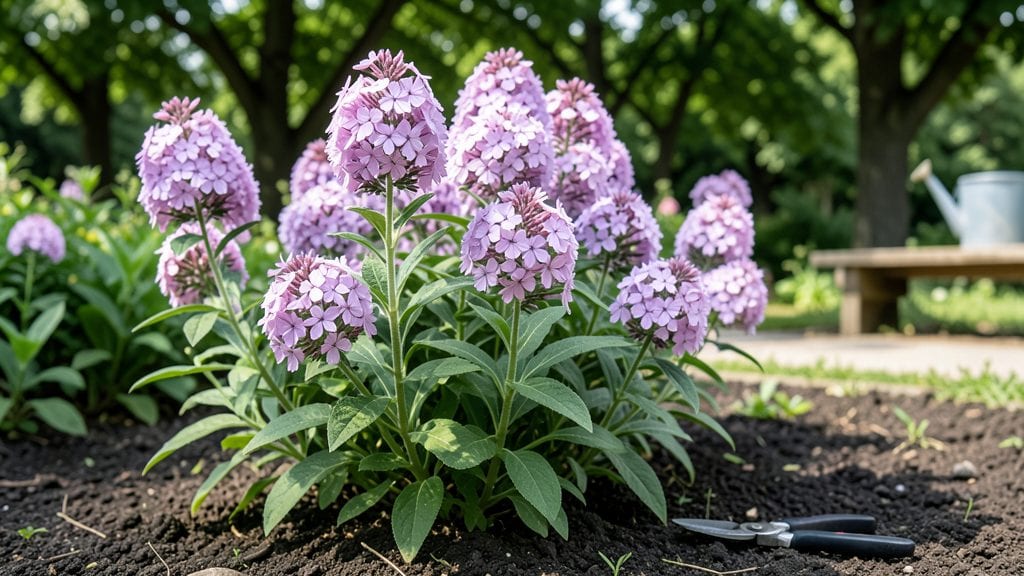
Determining whether phlox acts as a perennial or annual depends on your climate zone—most thrive as perennials in USDA zones 3-8 but may behave as annuals in colder or hotter regions. Garden phlox handles borders beautifully, while taller varieties often need extra care in extreme conditions.
Phlox's perennial nature hinges on root strength and climate adaptation. In zones 3-8, their deep roots survive winter dormancy, reblooming yearly with proper mulching. 🌱 However, varieties like creeping phlox often outlive garden phlox in harsh winters due to shallower root systems.
The key difference lies in how well each type tolerates temperature swings—some simply won't regrow after severe freezes or prolonged heatwaves.
For gardeners in marginal zones, choosing cold-hardy varieties (like Phlox paniculata) and providing winter protection can turn annuals into perennials. The trade-off? Perennial phlox typically blooms longer than annuals, with some varieties offering 6-8 weeks of continuous color when properly cared for.
💡 In This Article
- Phlox Cold Hardiness by Variety and Zone
- Extending Phlox Bloom Duration as a Perennial
Phlox cold hardiness by variety and zone
Here's what determines whether phlox behaves as a perennial or annual: the interplay between root systems and temperature tolerance. Garden phlox (Phlox paniculata) develops deep taproots that penetrate 12-18 inches into soil, allowing it to survive winters down to -30°F in zones 3-4.
This root structure stores carbohydrates during dormancy, fueling regrowth when temperatures rise above 50°F in spring. 🌿 The deeper the roots, the better the insulation against freeze-thaw cycles that can rupture shallower systems.
Creeping phlox (Phlox subulata), however, thrives in zones 3-7 but rarely survives zone 8's summer heat. Its fibrous root system stays within 4-6 inches of the surface, making it more vulnerable to both extreme cold (-25°F threshold) and summer drought.
What most gardeners don't realize is that creeping phlox's resilience comes from its ability to form dense mats that insulate individual stems - a strategy that fails when temperatures fluctuate rapidly between day and night, which happens more frequently in zone 8's transition climates.
The science behind this involves phlox's growth habit: garden phlox grows upward with woody stems that can withstand 20°F temperature drops without damage, while creeping phlox's trailing growth makes it more susceptible to frost damage at the stem base.
In zone 5, for example, garden phlox might return reliably, while creeping phlox could die back completely if winter temperatures dip below -15°F for more than 3-4 days. This explains why some gardeners in zone 5 treat creeping phlox as an annual despite its perennial classification.
Heat sensitivity plays an equally crucial role. Tall garden phlox varieties often struggle in zones 7-8 because their thick foliage can't dissipate heat efficiently during summer's 90°F+ days. The plant's metabolic processes slow dramatically above 85°F, leading to stunted growth or complete dormancy.
In contrast, creeping phlox's low-growing habit allows better air circulation, making it more adaptable to zone 7's heat if given afternoon shade. The key factor here is stomatal regulation - phlox varieties with smaller leaves (like creeping types) can close their stomata more effectively during heatwaves, conserving moisture.
Consider these zone-specific survival strategies for different phlox types:
- Zone 3-4: Garden phlox thrives with 3-4 inches of mulch protecting roots from -30°F temperatures
- Zone 5-6: Creeping phlox benefits from rock mulch that reflects heat while allowing winter sun penetration
- Zone 7-8: Tall garden phlox needs afternoon shade and drip irrigation to prevent heat stress
The most cold-hardy phlox varieties include Phlox paniculata 'David' (zone 3) and Phlox subulata 'Sherwood Purple' (zone 4), while heat-tolerant options like Phlox drummondii (annual in zones 3-4) actually prefer zone 8's warmth.
This explains why some gardeners in zone 6 might grow drummondii as an annual while their garden phlox returns reliably each year. The plant's ability to adapt stems from its evolutionary origins - garden phlox evolved in North America's temperate zones while drummondii comes from Mexico's arid regions. 🌡️
What most people don't realize is that phlox's perennial nature isn't absolute - even in ideal zones, poor soil drainage or excessive moisture can turn a perennial into an annual. The root zone needs to stay aerated to prevent rot during winter thaw cycles.
In zone 5, for example, phlox planted in heavy clay soil might survive winters but fail to regrow because the roots suffocate when saturated. This is why amending soil with 20-30% compost can make the difference between a reliable perennial and an annual performance.