
Orchid Care
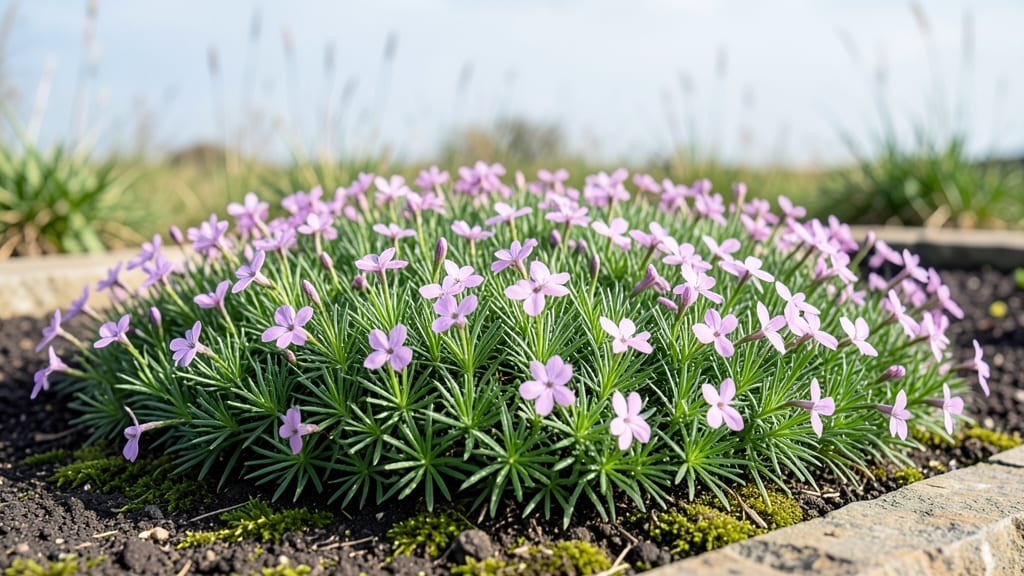
Creeping phlox behaves as a perennial in most U.S. climates but may act like an annual in warmer zones where frost-sensitive varieties struggle.
This low-growing groundcover thrives as a perennial in cooler regions (USDA zones 3-7), returning each spring after winter dormancy.
However, in warmer climates (zones 8-9), heat stress can shorten its lifespan, making it behave more like an annual. 🌿 The key difference lies in frost tolerance—cold-hardy varieties like Phlox subulata rebound after winter dieback, while tender types may not survive repeated heat cycles without proper care.
Proper maintenance—like post-bloom pruning and well-draining soil—can extend its life by 2-3 years, even in challenging zones. Many gardeners treat it as a short-lived perennial, replanting every 3-5 years for continuous color.
💡 In This Article
- Creeping Phlox Lifespan Factors by Climate Zone
- Extending Creeping Phlox’s Blooming Years
Creeping phlox lifespan factors by climate zone
Here's what determines whether creeping phlox acts as a perennial or annual: its USDA hardiness zone and frost tolerance. In zones 3-7, where winter temperatures dip below 20°F, the plant enters deep dormancy, with its foliage dying back but roots surviving.
This cold hardiness allows it to regrow each spring, making it a true perennial. The key species, Phlox subulata, thrives in these conditions, with some cultivars even tolerating -30°F temperatures. 🌟
The science behind this involves the plant's cold acclimation process. During fall, creeping phlox converts sugars into antifreeze-like proteins that protect cellular structures from ice crystal formation. In contrast, zones 8-9 rarely experience freezing, so frost-sensitive varieties lack this adaptation.
Without winter dormancy, the plant expends energy continuously, leading to exhaustion after 1-2 years instead of the typical 3-5 years lifespan. Southern gardeners often treat it as an annual because heat stress accelerates metabolic demands.
Temperature extremes play a critical role in southern climates. While creeping phlox prefers 60-75°F growing conditions, prolonged exposure above 85°F causes heat stress—visible as yellowing leaves and stunted growth. The plant's shallow root system (6-12 inches deep) makes it particularly vulnerable to soil heat buildup.
In zone 9, where winters rarely drop below 30°F, even cold-hardy varieties may struggle unless given afternoon shade during peak summer months. This explains why nurseries in Florida or California often sell it as a seasonal plant rather than a perennial.
What most gardeners don't realize is how soil moisture interacts with temperature to affect lifespan. In dry climates (like zone 7b+), creeping phlox may survive longer because cooler nights reduce evaporation stress.
However, in humid southern zones, the combination of heat and moisture creates ideal conditions for powdery mildew, a fungal disease that weakens the plant over time. The mildew thrives at 75-85°F with high humidity—exactly the conditions found in zones 8-9 during summer.
This dual stress (heat + disease) often cuts the plant's lifespan in half compared to cooler regions.
For those in marginal zones (7a-8a), selecting the right cultivar makes all the difference. Varieties like 'Emerald Blue' or 'Sherwood Purple' have shown better heat tolerance than traditional types, lasting 2-3 years with proper care.
The secret lies in their slightly thicker waxy coating on leaves, which reduces water loss during heatwaves. Even in these transitional zones, providing morning sun and afternoon shade can extend perennial behavior by 1-2 years. Mulching with 2-3 inches of organic matter also helps regulate soil temperature fluctuations.
Consider these key factors when choosing varieties for your region:
- Zones 3-5: Any Phlox subulata cultivar will thrive as a perennial, with some lasting 5-7 years with minimal care
- Zones 6-7: Look for heat-tolerant selections like 'Scarlet Flame' or 'Pink Panda' that handle 90°F+ better than standard types
- Zones 8-9: Treat as an annual or use as a winter-blooming plant in microclimates with cooler nights
The bottom line? Creeping phlox's perennial status is highly climate-dependent. With the right variety and care, you can coax 3-5 years of blooms even in challenging zones—but don't expect the same longevity as in its native cooler habitats. 🌡️