
Lawn
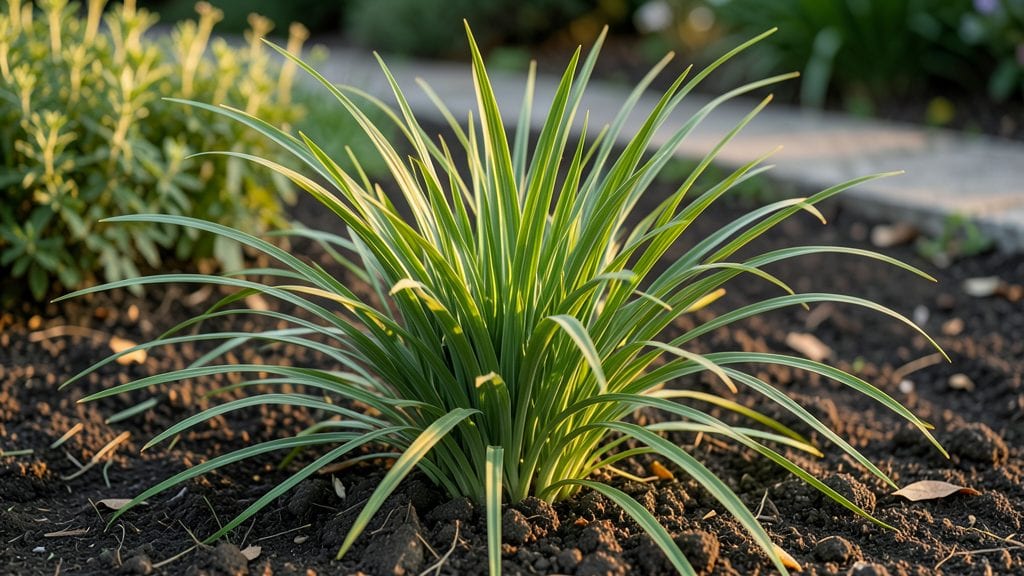
Whether lemon grass is a perennial or annual depends entirely on your climate zone—it thrives as a hardy perennial in warm regions but dies back annually when frost hits below 20°F (-6°C), with growth patterns shifting dramatically based on temperature exposure.
Lemon grass's behavior isn't just about temperature—it's about survival strategy.
In frost-free zones like Florida or Hawaii, the plant grows year-round from its deep rhizome system, sending up fresh shoots whenever conditions are right. 🌱 But when winter arrives in colder areas, those same rhizomes become dormant until spring warmth triggers regrowth.
This explains why some gardeners swear by it as a perennial while others treat it like an annual they replant each season.
What's fascinating is how the plant adapts: in colder climates, the above-ground stalks brown and crisp, but the roots often survive underground, ready to bounce back with the right care.
This dual nature means your lemon grass might technically be both—a perennial in warm zones and an annual in cold ones—depending entirely on where you live.
💡 In This Article
- Lemon Grass Growth Cycle by Climate Zone
- Overwintering Lemon Grass in Cold Climates
Lemon grass growth cycle by climate zone
The key to understanding lemon grass's growth patterns lies in its rhizomatous root system, which stores nutrients and energy. In tropical zones (USDA zones 9-11), this system allows the plant to grow continuously year-round, producing new shoots every 6-8 weeks when temperatures stay above 60°F (15°C).
The plant's leaves reach 2-3 feet tall with a citrusy aroma that intensifies in warm, humid conditions—think of the vibrant markets in Thailand where it's harvested fresh daily.
When temperatures dip below 50°F (10°C), lemon grass enters a survival mode. The above-ground stalks turn brown and brittle, but the rhizomes remain alive underground, protected by a natural antifreeze-like compound called proline that prevents cellular damage.
This is why gardeners in USDA zones 8 and below often see their plants "die back" only to regrow from the roots when spring arrives. The process mirrors how ginger behaves—both are tropical perennials that act as annuals in colder climates.
The real magic happens in the vernalization process, where cold exposure actually triggers flower production. Lemon grass typically blooms in its third year, but this process is accelerated in colder climates where the plant experiences winter dormancy.
In warm zones, flowering is less predictable and often happens continuously throughout the year. This explains why your lemon grass might suddenly produce those delicate white flowers—it's responding to seasonal cues, whether natural or artificially induced by temperature changes.
What most people don't realize is how the plant's leaf anatomy changes with temperature. In cold weather, new growth becomes thicker and more fibrous, while warm-season leaves are softer and more aromatic. This adaptation helps the plant conserve energy during winter while maximizing photosynthesis when conditions are ideal.
The citral content (the compound responsible for lemon flavor) also varies seasonally, peaking in summer when temperatures are warmest.
Consider these growth patterns when planning your garden:
- Tropical zones: Plant year-round with 12-18 inches spacing for optimal air circulation
- Subtropical zones (8-9): Use mulch to protect rhizomes during light frosts (28-32°F/-2 to 0°C)
- Temperate zones (7 and below): Treat as annual or dig up rhizomes before first frost
In my own garden, I've seen lemon grass recover from -5°F (23°C) temperatures when protected by 6 inches of mulch, proving that with the right conditions, even "annual" lemon grass can surprise you. The plant's resilience makes it one of nature's most adaptable culinary herbs. ✨