
Flowers
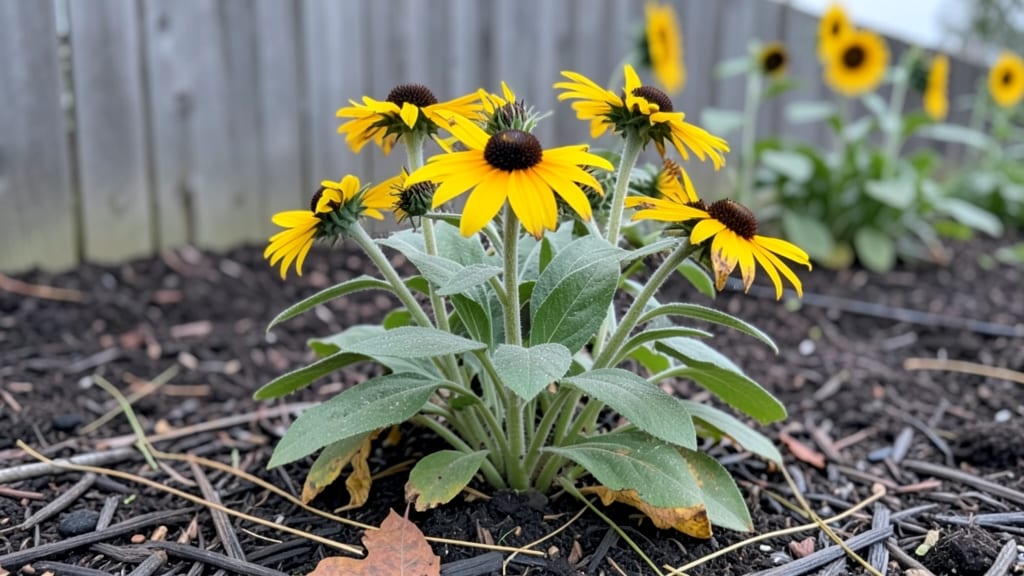
Mastering perennial yellow flowers identification can feel like solving a puzzle—until you notice the key clues in leaf shape, bloom structure, and growth habit. 🌻 I’ve spent years distinguishing between Black-eyed Susans, Coreopsis, and Daylilies, and the secret lies in those details.
These 15 varieties thrive in sun to part shade, with most handling drought once established, making them perfect for low-maintenance borders or pollinator gardens.
The first step is checking leaf arrangement: smooth-edged leaves with daisy-like blooms? Likely Coreopsis. Deeply lobed leaves with bold yellow petals? Probably Rudbeckia. Daylilies stand out with their strap-like foliage and layered petals, while Black-eyed Susans have that signature dark center.
Most bloom from summer through fall, with some like Coreopsis offering near-continuous color if deadheaded regularly.
Once you’ve narrowed it down, note the plant’s mature size—some like Goldenrod reach 5 feet, while Creeping Jenny stays under 6 inches. Sunlight needs vary slightly: Black-eyed Susans tolerate partial shade, while Coreopsis demands full sun.
The payoff? A garden bursting with cheerful yellow blooms that return year after year with minimal effort.
This guide breaks it all down visually and practically, so you’ll never second-guess your ID again. Whether you’re filling a sunny border or just curious about that mystery plant in your yard, we’ve got you covered with care tips and regional suitability notes for each variety.
Root Causes Behind Yellow Blooms
Yellow flowers in perennials aren’t just a splash of sunshine—they’re often a cry for attention from your plants. While some yellow blooms are perfectly natural (like those of coreopsis or black-eyed Susans), others signal underlying issues.
Understanding the why behind unexpected yellow flowers helps you diagnose problems before they spiral. Let’s dig into the science and actionable fixes.
Yellowing leaves or flowers—especially with wilting or mushy stems—are classic signs of overwatering. Perennials like daylilies or coneflowers thrive in well-drained soil, but soggy roots suffocate them.
- Why it happens:
- Excess water displaces oxygen in the soil, triggering anaerobic conditions that block nutrient uptake.
- Root rot fungi (Phytophthora or Pythium) thrive in wet soil, clogging vascular tissues and turning leaves yellow.
- Compacted or clay-heavy soil slows drainage, trapping moisture against roots.
- Actionable fixes:
- Test your soil: Dig a 6-inch hole; if water pools after 30 minutes, amend with organic matter (compost, perlite, or coarse sand).
- Adjust watering: Water deeply 2–3 times per week (not daily) and only when the top 1–2 inches of soil are dry. Use a moisture meter for accuracy.
- Raise beds: For clay soil, consider raised beds or mounding soil with gravel.
Pale yellow leaves (especially older ones) with green veins scream nitrogen deficiency. Yellow flowers? That’s often a secondary effect when the plant diverts energy to survive.
- Why it happens:
- Nitrogen is the building block of chlorophyll. Without it, photosynthesis grinds to a halt, and flowers may abort or turn yellow.
- Heavy rainfall or overwatering leaches nitrogen from the soil.
- Depleted soil (common in first-year gardens) lacks micronutrients like magnesium or iron, which also cause yellowing.
- Actionable fixes:
- Soil test first: Use a DIY test kit or send a sample to a local extension office. Aim for a pH of 6.0–7.0 for most perennials.
- Feed strategically:
- Apply a balanced fertilizer (10-10-10) in early spring.
- For magnesium deficiency (yellow patches between veins), use Epsom salt (1 tbsp per gallon of water, applied monthly).
- Mulch well: Organic mulch (like compost or straw) slowly releases nitrogen as it decomposes.
Yellowing flowers with sticky residue, holes, or black spots? Pests or pathogens are likely sapping your plant’s energy. Aphids, spider mites, and fungal infections (like powdery mildew) force perennials to prioritize survival over blooms.
- Why it happens:
- Sap-sucking pests (aphids, whiteflies) inject toxins that disrupt chlorophyll production, turning leaves/yellow flowers.
- Fungal infections (e.g., Alternaria) clog stomata, reducing photosynthesis and causing premature yellowing.
- Bacterial leaf spot (Xanthomonas) creates water-soaked yellow lesions that spread rapidly in humid conditions.
- Actionable fixes:
- Inspect closely: Check undersides of leaves and stems for pests. Use a hand lens if needed.
- Treat pests:
- Spray with neem oil (1 tsp per quart of water) or insecticidal soap for soft-bodied bugs.
- Introduce beneficial insects (ladybugs, lacewings) for natural control.
- Fungal fixes:
- Remove infected foliage immediately and dispose of it in the trash (not compost).
- Apply copper fungicide or baking soda spray (1 tbsp baking soda + 1 tsp oil + 1 quart water) weekly.
- Improve air circulation by spacing plants 12–18 inches apart.
Yellow flowers in mid-summer or after a hard freeze? Your perennials are likely suffering from environmental shock. Extreme heat or cold damages cell membranes, while drought triggers abscission (premature flower drop).
- Why it happens:
- Heat stress: Temperatures above 90°F (32°C) cause oxidative damage, turning flowers yellow and crispy.
- Cold damage: Freezes rupture plant cells, leading to brown/yellow patches and stunted growth.
- Drought: Perennials like black-eyed Susans may drop buds entirely if soil moisture drops below 30%.
- Actionable fixes:
- Shade cloth: Use 30–50% shade cloth in peak summer to reduce heat stress.
- Mulch heavily: Apply 3–4 inches of mulch (straw or wood chips) to retain moisture and regulate soil temps.
- Deep watering: Water early in the morning (6–8 AM) to reduce evaporation. Aim for 1–1.5 inches per week.
- Protect from frost: Cover tender perennials with frost blankets or row covers when temps dip below 28°F (-2°C).
💡 Pro Tip: Keep a plant journal! Note when yellowing starts, weather patterns, and care changes. This helps you spot patterns (e.g., "Yellowing always happens after I fertilize—must be nitrogen burn!").
Revive Your Garden’s Golden Beauties
If your perennial yellow flowers are looking lackluster, don’t panic! With the right care, you can restore their vibrancy and ensure they thrive for seasons to come. Below, we’ve mapped out practical solutions to common issues—from wilting blooms to pests—along with prevention tips to keep your garden flourishing.
Cause: Overwatering, underwatering, or root stress. Solution:
- Check soil moisture 💧—stick your finger 1–2 inches deep. If dry, water deeply until moisture reaches the roots. If soggy, let it dry out before watering again.
- Improve drainage 🏗️ by amending heavy soil with compost or perlite. Yellow flowers like Black-Eyed Susans and Coreopsis hate "wet feet."
- Prune damaged stems ✂️ to redirect energy to healthier growth. Snip just above a leaf node for a clean cut.
Prevention Tip: 🌡️ Mulch around the base (2–3 inches) to retain moisture and regulate soil temperature.
Cause: Aphids, powdery mildew, or fungal infections (common in humid climates). Solution:
- Spot-treat pests 🦟 with a strong spray of water or insecticidal soap. For severe infestations, use neem oil (follow label instructions).
- Fight mildew 🍄 by watering early in the day (avoid evening dampness) and spacing plants for airflow. Apply a baking soda spray (1 tsp baking soda + 1 quart water + a drop of dish soap) weekly.
- Remove infected foliage 🧹 immediately to prevent spread. Sterilize pruners with rubbing alcohol between cuts.
Prevention Tip: ✨ Choose disease-resistant varieties (e.g., Rudbeckia ‘Goldsturm’) and rotate crops if pests are recurrent.
Cause: Yellowing leaves (chlorosis) often signal iron, nitrogen, or magnesium deficiencies. Solution:
- Test your soil 📊—kits from garden centers are affordable and reveal pH/nutrient levels. Most yellow-flowering perennials prefer slightly acidic to neutral soil (pH 6.0–7.0).
- Amend with organic matter 🍂:
- Iron deficiency? Sprinkle iron chelate granules or use Epsom salt (1 tbsp per gallon of water).
- Nitrogen deficiency? Add compost or a balanced fertilizer (10-10-10) in early spring.
- Avoid over-fertilizing 🚫—too much salt can burn roots. Follow package rates.
Prevention Tip: 💡 Top-dress with compost annually to maintain soil health without harsh chemicals.
Cause: Yellow flowers may struggle in improper light (e.g., Daylilies need full sun, while Hosta tolerates shade). Solution:
- Move plants 🪴 if possible—observe where they thrive naturally. Most yellow perennials (e.g., Coneflowers) crave 6+ hours of sunlight.
- Use reflective surfaces 🪞 (like white gravel or mirrors) to bounce light into shady spots.
- Thin out overcrowded plants 🌿—competition for light/nutrients stresses flowers. Space them 12–24 inches apart.
Prevention Tip: 🎯 Plant according to your USDA hardiness zone and light conditions from the start (check seed packets for guidance).
| Season | Task | Example Flowers |
|---|---|---|
| Spring | Fertilize + deadhead spent blooms | Black-Eyed Susans, Marigolds |
| Summer | Water deeply + mulch | Coreopsis, Rudbeckia |
| Fall | Cut back + divide overgrown clumps | Daylilies, Hosta |
| Winter | Protect tender roots with mulch | All perennials |
With these targeted fixes, your perennial yellow flowers will bounce back stronger than ever. Remember: consistency is key—monitor soil, light, and pests regularly to catch issues early. Happy gardening! 🌼
Frequently asked questions
How do I tell the difference between a Black-Eyed Susan and Coreopsis?
Check the leaf shape and bloom structure: Black-Eyed Susans have coarse, toothed leaves and daisy-like flowers with a dark brown center. Coreopsis features fine, fern-like foliage and slender petals that often droop slightly. Both thrive in full sun but Coreopsis handles drier soil better.
Can I grow these perennials in containers?
Most yellow perennials like Daylilies and Rudbeckia adapt well to containers with at least 12-inch pots and good drainage. Use a lightweight potting mix and fertilize monthly during growing season. Just ensure they get 6+ hours of sunlight daily.
Why are my yellow flowers turning brown at the edges?
This usually signals underwatering or heat stress. Most perennials need 1-1.5 inches of water weekly—check soil moisture by sticking your finger 2 inches deep. Mulch heavily (3+ inches) to retain moisture and protect roots from temperature swings.
What's the best time to divide perennial yellow flowers?
Divide in early spring or fall when plants are dormant. Dig up clumps, separate roots with a clean knife, and replant sections 12-18 inches apart. This rejuvenates plants and prevents overcrowding—ideal for Daylilies and Coneflowers that spread aggressively.
Are there any yellow perennials that bloom in spring?
Yes! Forsythia (with its arching yellow branches) and Daffodils (technically bulbs) are early spring stars. For true perennials, try Crocus varieties or Primrose—both thrive in cool weather and attract pollinators early in the season.