
Size
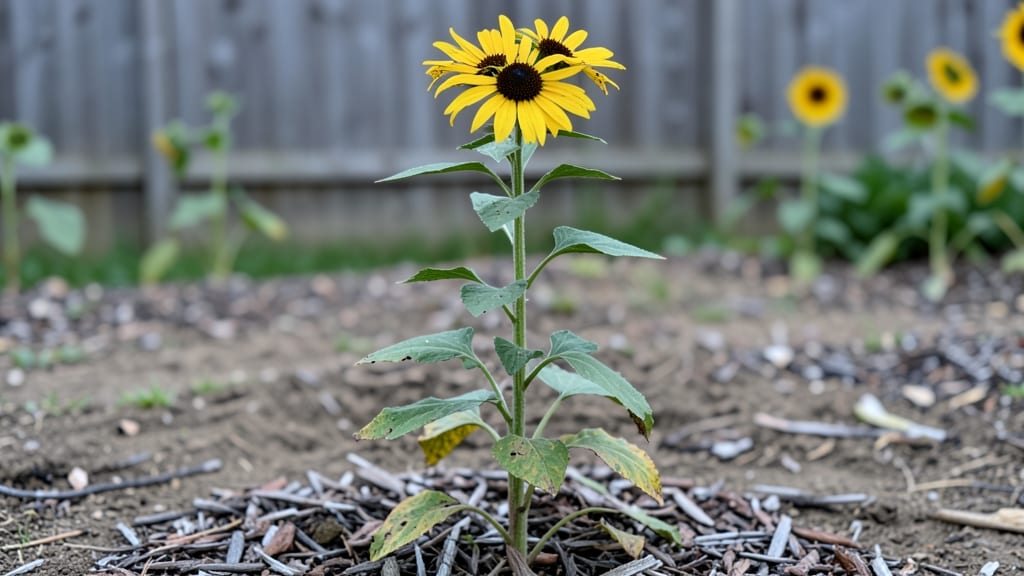
Mastering tall yellow perennial flowers identification can instantly transform your sun-drenched garden from "meh" to "wow" in just one season. I’ve spent years tracking these golden giants—from the bold Black-Eyed Susans that tower at 3–4 feet with papery petals to the airy Goldenrod that reaches 5 feet with feathery plumes.
The key? Leaf shape, bloom structure, and when they show up: early summer for Coneflowers, late summer for Rudbeckia, and fall for Solidago.
Start with height: anything over 3 feet narrows it down fast. Then check the leaves—Rudbeckia has rough, toothed edges, while Solidago sports narrow, willowy foliage. Bloom structure matters too: Black-Eyed Susans have dark centers, Goldenrod clusters look like tiny bottlebrushes, and Coneflowers have spiky, daisy-like disks.
Pro tip: Snap a photo and compare it to iNaturalist’s database—it’s like having a botanist in your pocket.
Once you’ve got your ID, you’ll know exactly where to plant them for maximum impact. Black-Eyed Susans thrive in full sun and dry soil, while Goldenrod loves moist edges.
Picture your garden in late summer: 4-foot-tall sunbursts of yellow catching the light, bees buzzing between blooms, and stems sturdy enough to hold their own in a border. This is the kind of drama that makes neighbors stop and ask, "What are those?"
Next, we’ll dig into care tips—because knowing the name is just the first step. Should you deadhead those Rudbeckia blooms? Can you divide Solidago after flowering? And how do you keep them coming back year after year without turning into a yellow monoculture? Let’s make that ID pay off.
Behind The Scenes Causes
When your garden bursts with tall yellow perennials, it’s often a mix of nature’s quirks and your own gardening choices. But why do these vibrant blooms appear—and sometimes not as expected? Let’s break down the science and logic behind their growth patterns, from soil chemistry to seasonal rhythms.
Tall yellow perennials thrive when their roots access the right mix of nutrients, but imbalances can stunt growth or alter flower color. Here’s what’s likely happening:
- Nitrogen Overload 💥 Too much nitrogen (common in fresh manure or synthetic fertilizers) fuels leafy growth at the expense of flowers. Why? Nitrogen prioritizes vegetative development, leaving energy scarce for blooms. Fix it: Switch to a balanced fertilizer (e.g., 10-10-10) or add phosphorus-rich amendments like bone meal.
- Phosphorus Deficiency 🧪 Phosphorus is the "flower power" nutrient—critical for blooming but often lacking in sandy or acidic soils. Signs? Stunted stems or pale yellow flowers with green streaks. Test it: A simple soil pH test (aim for 6.0–7.0 for most perennials) can reveal deficiencies. Solution: Top-dress with rock phosphate or composted leaf mold.
- Micronutrient Gaps 🧬 Even tiny deficiencies in zinc, magnesium, or iron can cause yellowing (chlorosis) between leaf veins. Example: Iron deficiency in alkaline soils turns leaves yellow while veins stay green. Action: Apply chelated iron or use sulfur to lower pH gradually.
Not all yellow perennials are sun-worshippers—some need dappled shade or specific temperature cues to bloom. Misjudging their light needs can lead to leggy stems or sparse flowers.
- Too Much Shade 🌳 Plants like Black-Eyed Susans (Rudbeckia) or Coreopsis crave full sun (6+ hours/day).
In shade, they stretch toward light, weakening stems and reducing bloom density. Result? Tall but floppy stems with fewer flowers. Fix: Prune lower leaves to encourage bushier growth or relocate to sunnier spots.
- Heat Stress 🌡️ Intense heat (especially above 90°F/32°C) can cause yellowing or premature wilting. Why? High temperatures disrupt photosynthesis and water uptake. Pro tip: Mulch with straw to retain moisture and plant in areas with afternoon shade during peak summer.
- Cold Snaps ❄️ Some perennials (e.g., Goldenrod) need vernalization—a cold period to trigger blooming. If winters are too mild, they may skip flowering. Solution: Simulate cold with a frost blanket in early spring if your climate is unusually warm.
Yellow perennials often signal water-related stress, whether from drought or soggy roots. Here’s how to spot the difference:
- Underwatering 💦 Symptoms: Crispy edges, wilting even when watered, or flowers that close midday. Why? Perennials like Daylilies (Hemerocallis) need consistent moisture, especially during bud formation. Fix: Water deeply 1–2 times per week (1 inch total) and mulch to lock in moisture.
- Overwatering 🌧️ Clues: Yellowing leaves with a mushy texture, stems that feel soft, or fungal spots. Root cause? Poor drainage or compacted soil traps excess water, suffocating roots. Solution: Amend soil with perlite or sand, and ensure raised beds or containers have drainage holes.
- Irregular Watering 🔄 Uneven moisture stresses plants, leading to weak stems or stunted growth. Example: Coneflowers (Echinacea) droop if their roots dry out then get soaked. Prevent it: Use drip irrigation or soaker hoses for steady hydration.
Hidden invaders can sabotage your perennials before you notice. Yellowing leaves or stunted growth often hint at unseen damage:
- Aphids And Spider Mites 🕷️ These sap-suckers inject toxins that cause yellowing, curled leaves, and stunted blooms. Target plants: Butterfly Weed (Asclepias) and Black-Eyed Susans. Combat them: Spray with neem oil or introduce ladybugs.
- Fungal Infections 🍄 Powdery mildew or rust (common in humid climates) create yellow spots or white coatings. Why? Fungi thrive in crowded, poorly ventilated gardens. Prevent it: Space plants 18–24 inches apart and water at the base (not overhead).
- Root Rot 🌱💀 Waterlogged soil invites Phytophthora fungi, which rot roots and turn leaves yellow. Red flag: Plants pull easily from the ground. Act fast: Dig up affected plants, trim diseased roots, and replant in amended soil.
Even with perfect care, some yellow perennials follow a biological schedule:
- First-Year Struggles 🌱 Many perennials (e.g., Bee Balm) focus on root establishment in their first year, blooming lightly or not at all. Patience pays off: By year two, they’ll reward you with towering yellow spikes.
- Declining Mature Plants ⏳ After 3–5 years, perennials may produce fewer blooms due to exhausted soil or overcrowding. Signs: Woodier stems, smaller flowers. Rejuvenate them: Divide clumps in early spring or fertilize with compost.
- Hybrid Limitations 🧬 Some cultivars (like ‘Marmalade’ Coreopsis) are bred for compact growth. If yours stretches tall and lanky, it may be reverting to its wild-type genetics. Workaround: Deadhead spent blooms to encourage bushier regrowth.
Quick fixes for tall yellow blooms
If you’re staring at a towering cluster of bright yellow perennials and wondering, “What on earth is this?”—don’t panic! Identifying tall yellow perennials can be simpler than you think with a few targeted steps.
Below, we break down common issues (like misidentification, overgrowth, or pest problems) and pair them with practical solutions. Plus, we’ll share tips to keep your garden thriving year after year.
Cause: Your mystery plant looks like a dozen others—tall, yellow, and lush—but you’re not sure which species it belongs to.
Fix:
- 📏 Measure the Height & Width
- Use a tape measure or ruler to note the plant’s mature height (e.g., 3–6 feet) and spread. This narrows it down to species like Rudbeckia (Black-Eyed Susan), Helenium (Sneezeweed), or Ligularia (Ragwort).
- Pro Tip: 💡 Snap a photo and compare it side-by-side with online databases like Gardenia.net or Missouri Botanical Garden’s PlantFinder.
- 🌿 Examine the Leaves & Stems
- Are the leaves smooth and lobed (like Rudbeckia) or hairy and toothed (like Helenium)?
- Check the stem: Is it hollow (common in Solidago or Goldenrod) or woody at the base (a sign of maturity in perennials like Ligularia)?
- 🌸 Study the Flower Structure
- Daisy-like? Look for drooping petals (ray florets) and a dark center (disk florets)—classic Rudbeckia.
- Spiky or tubular? Helenium often has slightly curled petals and a spiky center.
- Pro Tip: ✨ Use a magnifying glass to inspect the reproductive parts (pistils/stamens) for clues—some perennials have unique features here!
- 📅 Note the Blooming Time
- Early summer? Likely Rudbeckia or Coreopsis.
- Late summer/fall? Could be Helenium or Solidago.
- Keep a garden journal to track when flowers appear—this is a botanist’s secret weapon!
Cause: Your once-neat perennial has shot up like a weed, flopping over or crowding other plants.
Fix:
- 🌿 Prune Strategically
- Deadhead spent blooms (snip just above a set of healthy leaves) to encourage bushier growth and prevent self-seeding.
- Cut back by ⅓ in early spring to control height and shape. Use clean, sharp pruners to avoid damaging stems.
- Warning: ⏰ Never prune in fall—this can stimulate new growth that won’t harden off before winter.
- 🔪 Divide Overcrowded Clumps
- Dig up the plant in early spring or fall, separate the roots into smaller sections (each with 3–5 stems), and replant. This rejuvenates the plant and prevents legginess.
- Pro Tip: 🌡️ Divide in cool weather (50–70°F) to reduce stress on the roots.
- 🌞 Adjust Sunlight & Water
- Too much sun? Some tall perennials (like Helenium) wilt in harsh afternoon light. Provide partial shade or mulch to retain moisture.
- Underwatering? Yellowing leaves or wilting? Water deeply 1–2 times per week (check soil moisture 2 inches below the surface).
Cause: Yellowing leaves, holes, or black spots signal trouble—aphids, powdery mildew, or fungal issues are common culprits.
Fix:
- 🐜 Identify the Problem First
- Aphids/Spider Mites? Look for sticky residue (honeydew) or tiny webs on undersides of leaves.
- Powdery Mildew? White, powdery coating on foliage.
- Rust Fungus? Orange pustules on leaves (common in Rudbeckia).
- 💦 Treat Gently but Effectively - For Insects: - Spray with neem oil (1 tsp per quart of water) or insecticidal soap.
Reapply every 5–7 days. - Introduce ladybugs or lacewings—natural predators that love aphids. - For Fungal Issues: - Remove infected leaves immediately and dispose of them in the trash (not compost). - Apply baking soda spray (1 tsp baking soda + 1 quart water + a drop of dish soap) weekly. - Improve air circulation by spacing plants 18–24 inches apart.
- 🌿 Prevent Future Outbreaks
- Mulch with 3–4 inches of organic matter (straw or shredded leaves) to deter soil-borne diseases.
- Rotate crops—don’t plant the same perennials in the same spot year after year.
- Pro Tip: 🎯 Water at the base (avoid wetting leaves) to reduce fungal spores.
Cause: You want your tall yellow perennials to thrive for years—not just survive one season.
Fix:
- 🌱 Feed Smart
- Use a balanced fertilizer (10-10-10) in early spring to kickstart growth.
- For nutrient-rich soil, mix in compost or worm castings before planting.
- 🌿 Support Weak Stems
- Tall perennials like Rudbeckia or Ligularia may need staking or caging to prevent flopping.
- Use bamboo stakes or tomato cages for extra support.
- 📅 Plan for Perennial Longevity
- Deadhead regularly to prolong blooming and prevent self-seeding where you don’t want it.
- Mark your garden with labels (include plant name, year planted, and notes on care).
- Pro Tip: ✨ Save seeds from favorite varieties by letting a few flowers go to seed, then dry and store them in a cool, dark place.
With these fixes, your tall yellow perennials will not only be easy to identify but also stand out as the stars of your garden. Happy gardening! 🌻🌿
Frequently asked questions
How can I tell if my tall yellow blooms are invasive species like Goldenrod?
True Goldenrod (Solidago) has feathery, plume-like flower clusters and narrow leaves, but it’s rarely invasive—those rumors stem from look-alikes like Canada Goldenrod. Check the leaf arrangement: Goldenrod leaves grow alternately along the stem, while invasive Mugwort has aromatic, fern-like foliage. Native Goldenrod also blooms in late summer/fall, unlike aggressive weeds that spread year-round.
Why do some tall yellow perennials flop over while others stay upright?
Flopping stems usually mean the plant needs support or proper care. Rudbeckia (Black-Eyed Susan) and Ligularia often need staking, while Solidago (Goldenrod) has naturally sturdy stems. Check soil moisture—overwatering weakens stems, while dry conditions can cause them to wilt. Prune leggy growth in early spring and use tomato cages for extra support.
Can I grow tall yellow perennials in containers?
Choose compact varieties like ‘Goldsturm’ Rudbeckia (2–3 feet tall) or ‘Little Lemon’ Coreopsis (1–2 feet). Use large pots (18+ inches wide) with well-draining soil and ensure they get at least 6 hours of sun daily. Dwarf varieties like ‘Autumn Sunshine’ Ligularia (2 feet) are perfect for containers, but avoid heavy bloomers like Helenium—they’ll tip over easily.
What’s the best way to preserve dried yellow perennial blooms?
For long-lasting dried flowers, harvest when blooms are fully open but still slightly damp. Hang small clusters upside-down in a dark, dry place (like a closet) for 2–3 weeks. For larger stems, use a flower press or lay them flat under heavy books. Rudbeckia and Coreopsis dry beautifully, while Solidago retains its feathery texture. Store dried blooms in airtight containers with silica gel to prevent moisture.