
Planting
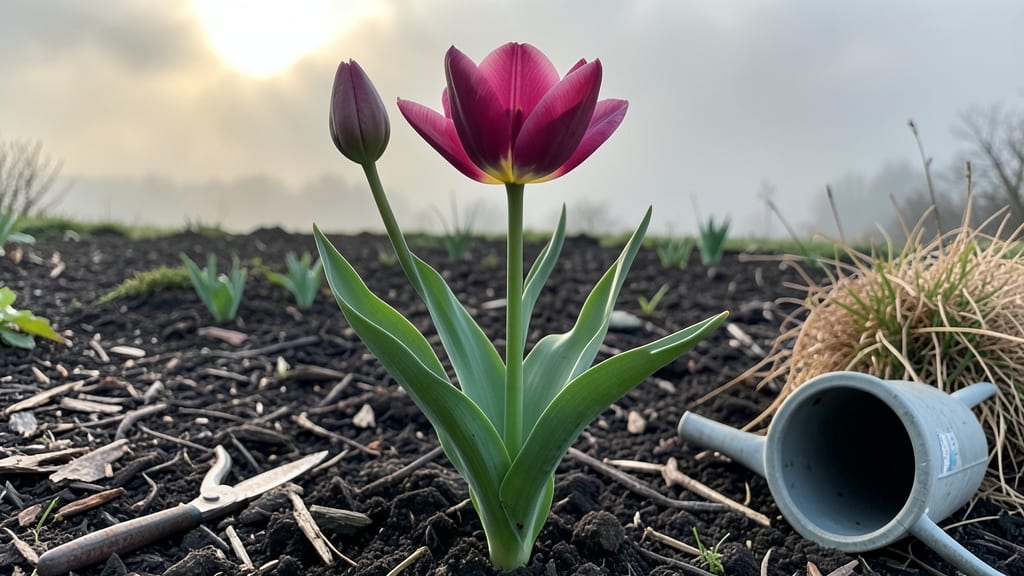
Perennial tulips thrive in Zone 7 with proper variety selection and timing, requiring well-draining soil, full sun, and fall planting for reliable blooms each spring. Darwin Hybrid and Kaufmannana tulips are top choices for longevity.
Zone 7's mild winters and hot summers demand careful tulip selection to ensure they survive dormancy and thrive. 🌸 The key is choosing varieties that tolerate 40-60°F winter temperatures while handling summer heat without wilting.
I’ve found that planting in October gives roots time to establish before frost, while mulching with 3-4 inches of organic matter protects them from temperature swings. The right soil—sandy loam with pH 6.0-7.0—prevents rot and encourages strong root growth, which is crucial for perennial blooms.
Darwin Hybrids and Kaufmannana tulips stand out because they’ve been bred to handle Zone 7’s climate extremes. For example, Kaufmannana varieties like 'Red Emperor' return year after year with minimal care, while Darwin Hybrids offer bold, long-lasting blooms that even handle partial shade better than most.
The trade-off? They need consistent moisture during their first growing season to establish deep roots. Once settled, they’ll reward you with 3-5 weeks of vibrant color each spring.
💡 In This Article
- Why Zone 7 Climate Affects Perennial Tulip Success
- Top Perennial Tulip Varieties for Zone 7 Gardens
Why Zone 7 climate affects perennial tulip success
Zone 7's climate creates a delicate balance for perennial tulips, where winter chill hours and summer heat become critical factors. Most tulips need 1,000-1,500 hours below 45°F to trigger dormancy and bloom properly.
Zone 7 typically provides 800-1,200 hours, which is why selecting varieties with lower chill requirements is essential. The mild winters also mean tulips must enter dormancy earlier, around October-November, to avoid premature growth that frost can kill.
Summer heat tolerance varies dramatically between varieties. Darwin Hybrids, for example, can handle Zone 7's 90°F+ temperatures better than fragile species like Fosteriana, which wilt in prolonged heat. The key mechanism here is their thicker stems and larger bulbs, which store more moisture.
Kaufmannana tulips also excel because their native habitats include mountainous regions with hot days and cool nights—similar to Zone 7's climate pattern. Without proper heat tolerance, tulips risk bolting (sending up flower stems too early) or developing fungal issues from excess moisture in the soil.
Soil conditions in Zone 7—often heavy clay or sandy loam—directly impact survival rates. Tulips need well-draining soil to prevent rot during winter's occasional thaws. Amending with compost or perlite improves aeration, while a pH 6.0-7.0 range ensures nutrient availability.
The trade-off? Sandy soils dry out faster, requiring 1 inch of water weekly during dormancy. Overwatering in summer can suffocate roots, making mulch with 3-4 inches of wood chips a game-changer for temperature regulation.
Here's what most gardeners miss: Zone 7's humidity levels. High moisture accelerates fungal diseases like tulip fire, which causes blackened stems. Resistant varieties like 'Queen of Night' or 'Black Parrot' thrive because their genetic makeup includes natural fungicides. The solution?
Plant in raised beds or slopes to improve airflow, and avoid overhead watering. Even spacing (4-6 inches apart) reduces competition and disease spread, letting each bulb develop the 6-12 inch root system needed for perennial growth.
Comparing hardiness zones reveals why Zone 7 is a "Goldilocks" zone for tulips—not too cold like Zone 4, but not too mild like Zone 8. Zone 4 tulips (e.g., 'White Dream') need 1,500+ chill hours, while Zone 8 varieties (like 'Apeldoorn') struggle with Zone 7's heat.
The sweet spot? Hybrid varieties bred for 500-1,000 chill hours, such as 'Spring Green' or 'Purple Prince,' bridge the gap. These adapt to Zone 7's 30-40°F winter lows while tolerating summer's 85-95°F peaks.
What actually happens underground is just as critical. Tulip bulbs store energy as starch, which converts to sugars during dormancy. In Zone 7, bulbs must complete this process by late February to avoid rotting from spring rains.
The right mulch (straw or leaves) insulates soil at 40-50°F, mimicking natural forest conditions where many tulip species evolved. Without this protection, bulbs risk freezing or overheating—both fatal to perennial blooms. 🌱