
Flowers
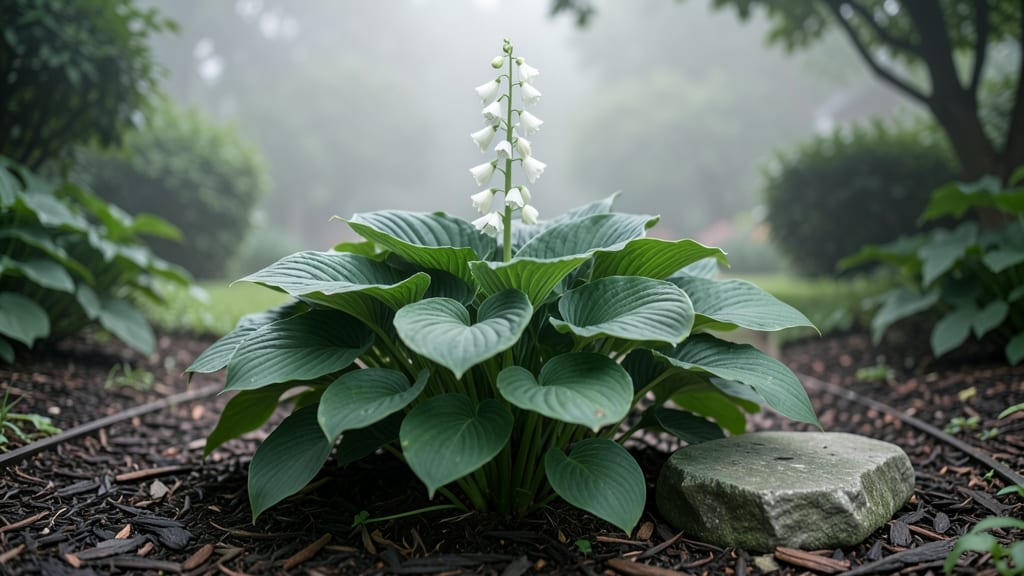
Hostas are perennials, not annuals, because they regrow yearly from hardy underground rhizomes, enduring winter dormancy to return stronger each spring with proper shade and soil care.
This perennial nature means hostas can live for decades with minimal intervention, unlike annuals that complete their life cycle in one season. 🌱 The key lies in their rhizome system, which stores nutrients underground during winter—think of it as a natural survival strategy.
I’ve seen mature hostas in my garden that were planted over 20 years ago, thriving under the right conditions. Their ability to rebound makes them a favorite for shade gardens, where they often become the star plant.
What sets them apart from annuals is their seasonal adaptation: hostas slow their growth in fall, go dormant in winter, then burst back with fresh foliage in spring.
This cycle explains why they’re so resilient—no replanting needed year after year. For gardeners, this means less work and more long-term rewards.
💡 In This Article
- How Hostas Survive Winter as Perennials
- Best Practices for Long-Term Hosta Care
How hostas survive winter as perennials
Hostas rely on an underground network of rhizomes—thick, horizontal stems—that act like nature's hard drive, storing carbohydrates and nutrients to fuel regrowth. These rhizomes can survive temperatures down to -20°F when properly insulated, thanks to their high starch content.
Unlike annuals, which complete their entire life cycle in one season, hostas enter a state of dormancy where metabolic activity slows dramatically, conserving energy until spring. This adaptation allows them to persist through harsh winters that would kill most annual plants.
The key to their survival lies in their cold tolerance mechanisms. Hosta rhizomes produce antifreeze-like proteins that prevent ice crystal formation within their cells, similar to how some trees survive freezing temperatures. Their leaves also die back completely, reducing water loss and protecting the energy reserves stored underground.
This contrasts sharply with biennials, which typically die back after their second year, or annuals that must be replanted every season.
A mature hosta rhizome system can weigh up to 2 pounds, providing enough energy to produce new shoots measuring 12-18 inches tall within just 4-6 weeks of spring thaw.
What most gardeners don't realize is how their growth cycle works in tandem with environmental cues. Hostas detect shortening daylight hours in late summer, triggering a hormonal response that shifts energy production from leaf growth to rhizome storage.
This process, called vernalization, ensures they're ready to burst forth when temperatures rise. The rhizomes even develop protective layers of insulating cells, much like how a bear builds fat reserves before hibernation. This biological strategy explains why hostas can thrive in USDA zones 3-9 with minimal care.
Their resilience extends to recovery after damage. I've observed hostas regrow from just 1-inch rhizome fragments left after winter dieback, demonstrating their remarkable regenerative capacity. This ability to regenerate from small pieces contrasts with annuals, which must germinate from seed each year.
The rhizome system also allows hostas to spread gradually, creating dense clumps that outcompete weeds—a natural survival advantage that annuals lack entirely.
One fascinating aspect is how hostas manage water during dormancy. Their rhizomes contain specialized cells that can absorb moisture from surrounding soil, even when frozen, preventing dehydration. This moisture absorption capability explains why hostas often emerge earlier in spring than many other perennials.
The combination of these biological adaptations—rhizome storage, antifreeze proteins, and seasonal growth cues—makes hostas one of the most hardy garden perennials available.
For comparison, consider how annuals like marigolds complete their entire life cycle in one season, producing flowers, seeds, and then dying. Biennials like foxgloves live two years, storing energy in their first year to flower and seed in the second.
Hostas, however, operate on a different timeline, using their rhizomes to store energy year after year, potentially living for decades with proper care. This biological efficiency is why hostas have become garden staples in shaded areas where few other plants can survive winter conditions.