
Plants
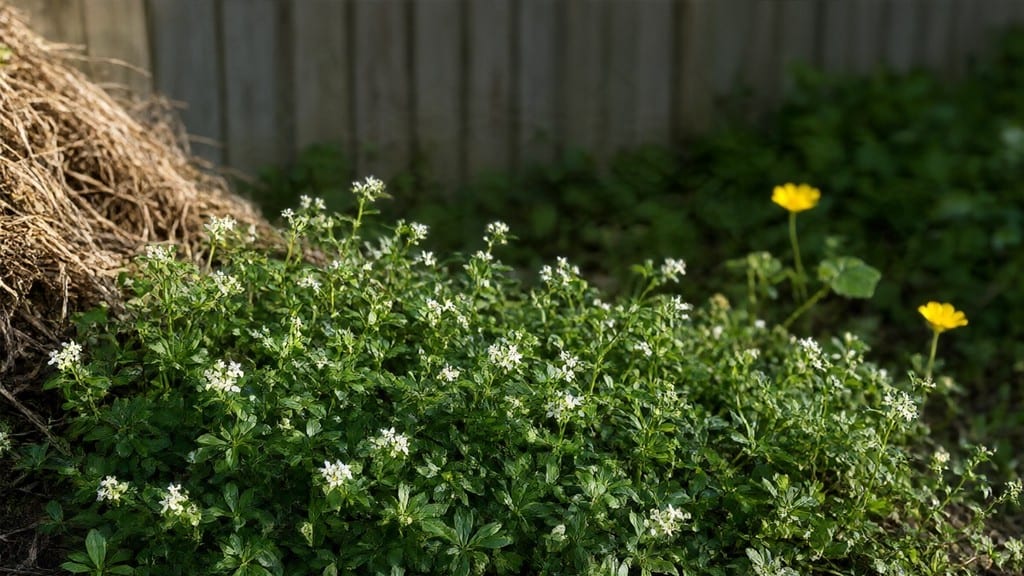
Perennial sweet woodruff transforms shady corners into fragrant, lush carpets that smell like vanilla after rain. 🌿 I first grew it under my oak tree where nothing else would thrive, and now it’s the star of my woodland garden—delicate leaves, star-shaped flowers, and that signature scent that lingers all season.
This shade-loving ground cover thrives in USDA zones 4-8, where it spreads gently without taking over. Plant it in partial to full shade, in well-draining soil that’s moist but not soggy—think dappled forest light, not deep darkness.
You can start from seeds (slow but rewarding) or divide established clumps in early spring or fall, spacing them 12-18 inches apart.
The magic happens with minimal effort: water occasionally once established, trim back leggy growth in spring, and watch it bounce back. Deer usually ignore it, and it’s one of the few plants that actually improves with age—more fragrant, denser, and harder to kill.
The scent peaks in spring, but a light frost enhances it even more.
Use it as a living mulch under trees, a fragrant border, or even in containers for a sweet, textured contrast. Pair it with ferns, hostas, or bleeding hearts for a woodland retreat vibe. Here’s how to keep it thriving—and why it’s my secret weapon for shade gardens.
📚 In This Guide
- What you need
- Instructions
- Tips and common mistakes
- Wrapping up and next steps
What you need
- ● Sweet woodruff plants: 3–5 healthy nursery-grown plants (or 1 lb of dried roots for division). Choose established plants for faster ground cover.
- ● Well-draining soil: A mix of 60% topsoil, 30% compost, and 10% coarse sand (or perlite) to prevent root rot. Aim for a pH of 6.0–7.0.
- ● Mulch: 2–3 inches of shredded bark or leaf mold to retain moisture and suppress weeds (avoid pine mulch—it’s too acidic!).
- ● Watering can or hose: With a gentle spray nozzle for even moisture distribution.
- ● Garden trowel (for planting and dividing roots).
- ● Garden fork or spade (to loosen soil before planting).
- ● Pruners or shears (for trimming and shaping).
- ● Gloves (to protect hands from soil and sharp edges).
- ● Measuring tape (to space plants 12–18 inches apart).
- ● Slow-release fertilizer (e.g., 10-10-10, 1 tbsp per plant at planting time).
- ● Edging material (like landscape fabric or stone) to define garden beds.
- ● Dried sweet woodruff bundles (for sachets or potpourri—harvest after flowering!).
- ● Shade cloth (if your area gets hot afternoon sun—use 30–50% coverage).
Step-by-Step guide for planting and caring for sweet woodruff
Here's how to establish this fragrant ground cover reliably in shady spots.
🌱 Step 1: Choose the Right Planting Location
Sweet woodruff thrives in partial to full shade, making it perfect for under trees or along north-facing walls. I always pick spots with dappled sunlight—at least 4 hours of shade daily—where the soil stays consistently moist but not soggy. Test your site by observing how quickly water drains after a rain; if puddles linger for more than 24 hours, amend the soil with 1-2 inches of compost to improve drainage.
This plant spreads slowly but steadily, so space your 4 plants 12-18 inches apart in a grid pattern. The reason for this spacing? Sweet woodruff forms dense mats over time, and giving it room prevents overcrowding while still creating that lush, fragrant carpet you're after. Mark your planting spots with small stakes if needed—you'll thank yourself later when you're not guessing where to place each plant.
🪴 Step 2: Prepare the Soil and Plant
Work 2-3 inches of compost into the top 6 inches of soil at each planting spot. Sweet woodruff isn't fussy about soil pH, but it does appreciate well-draining, slightly acidic conditions (pH 5.0-6.5). If your soil is heavy clay, mix in 1 part perlite or coarse sand to help roots establish without waterlogging.
Dig holes slightly deeper than the root ball—about 1 inch extra depth—to encourage roots to spread downward. Gently remove each plant from its container and tease the roots apart if they're circling. Place the plant so the top of the root ball sits level with the surrounding soil—burying the crown too deep can lead to rot. Backfill with soil, pressing lightly to remove air pockets but not compacting too firmly.
💧 Step 3: Water and Mulch for Establishment
Water deeply right after planting, soaking the soil to a depth of 6-8 inches. You'll know you've watered enough when moisture reaches that depth—stick your finger in the hole to check. Keep the soil evenly moist for the first 2-3 weeks, watering every 2-3 days if the top 1 inch feels dry. Overwatering now can suffocate the roots, so let the top layer dry slightly between waterings.
Spread 2-3 inches of mulch (like shredded bark or leaf mold) over the soil surface, keeping it 2 inches away from plant stems to prevent rot. This mulch layer does three things: it retains moisture, suppresses weeds, and gradually breaks down to feed the soil. Replenish the mulch annually in early spring to maintain its benefits. Watch for signs of stress like yellowing leaves—this usually means the soil is either too dry or too wet.
☀️ Step 4: Maintain Through the Growing Season
Sweet woodruff is one of the most low-maintenance perennials you'll grow. Once established, it tolerates drought surprisingly well, but I still water once a week during dry spells to keep the soil from cracking. The plant's fragrance peaks in late spring, so if you're planting for scent, give it 2-3 years to reach its full aromatic potential.
In early spring, trim back any dead or yellowing foliage to encourage fresh growth. You can also lightly shear the entire plant in late summer to keep it dense and tidy. Avoid heavy pruning, though—this plant spreads through underground runners, and cutting too much can slow its expansion. If you notice patches thinning out, simply dig up a section of a healthy plant and transplant it to the bare spot.
Tips & tricks for perfect sweet woodruff planting
These simple strategies will help you establish fragrant sweet woodruff that thrives for years in your shade garden.
Location Secret: That 4-hour shade requirement is non-negotiable for sweet woodruff's health. I've learned the hard way that even a few extra hours of direct sun can scorch the delicate leaves. Look for spots where morning sun fades by late morning—think dappled light under tall trees rather than dense shade. The fragrance actually intensifies when plants get just enough light to photosynthesize without overheating.
Soil Prep Strategy: Don't skip the 2-3 inches of compost in Step 2—this isn't just about nutrients. The compost improves soil structure so those 6 inches of root zone can breathe properly. For heavy clay soils, I've found that mixing in perlite creates tiny air pockets that prevent waterlogging, which is exactly what causes the 24-hour puddle test to fail. Think of it as creating a sponge-like environment where roots can spread freely.
Watering Wisdom: The first 2-3 weeks are critical—this is when roots establish their network. I've seen plants fail when gardeners water too heavily at once. Instead, aim for that 6-8 inch deep soak right after planting, then check the top inch daily. If it's dry, water lightly; if it's still damp, wait. Overwatering at this stage suffocates roots, while underwatering stresses them. This balance is what gets your plants through their most vulnerable phase.
Mulch Maintenance: That 2-3 inch mulch layer isn't just decoration—it's your secret weapon against weeds and moisture loss. I've found pine bark mulch works best because it breaks down slowly, feeding the soil over time. The key is keeping it 2 inches away from stems to prevent rot. Replenish it annually in early spring before new growth appears, and you'll create the perfect microclimate for your sweet woodruff to thrive.
Pro Tips for Perennial Sweet Woodruff
- These simple strategies will help you establish fragrant sweet woodruff that thrives for years in your shade garden.
- Location Secret: That 4-hour shade requirement is non-negotiable for sweet woodruff's health.
- Soil Prep Strategy: Don't skip the 2-3 inches of compost in Step 2—this isn't just about nutrients.
Frequently asked questions
Got questions about growing and caring for perennial sweet woodruff? You’re not alone! Here are some of the most common queries—plus quick, practical answers to help you cultivate this fragrant ground cover with confidence.
How fast does sweet woodruff spread in a garden?
Sweet woodruff spreads moderately—about 6–12 inches per year under ideal conditions. It’s not an aggressive spreader, making it perfect for filling gaps in shade gardens without crowding other plants. For faster coverage, divide mature clumps every 3–4 years or plant in dense patches.
When is the best time to plant sweet woodruff?
Plant it in early spring or early fall to give roots time to establish before extreme heat or cold. Avoid planting in summer, as the soil may dry out too quickly. If using seeds (less common), sow them in late fall for natural stratification.
Does sweet woodruff come back every year?
Yes! As a perennial, sweet woodruff regrows annually, though its foliage dies back in winter. New growth emerges in early spring, and its signature vanilla-like scent peaks in late spring to early summer. Mulching helps protect roots during dormancy.
What’s a good alternative if sweet woodruff doesn’t thrive in my shade garden?
Try these shade-loving ground covers with similar textures or scents:
- Lungwort (Pulmonaria): Adds color and attracts pollinators.
- Creeping Jenny (Lysimachia nummularia): Bright yellow foliage, spreads faster.
- Hosta: Varieties like ‘Blue Angel’ thrive in deep shade.
- Wild ginger (Asarum): Heart-shaped leaves, great for woodland gardens.
All tolerate partial to full shade and moist soil.
Why are my sweet woodruff leaves turning yellow or brown?
Yellowing or browning leaves usually signal overwatering, poor drainage, or fungal issues. Check these fixes:
- Ensure soil drains well—sweet woodruff hates soggy roots.
- Reduce watering if soil stays damp; it prefers consistently moist but not waterlogged conditions.
- Improve airflow by thinning dense patches or adding mulch.
- Fungal spots? Prune affected leaves and avoid overhead watering.
If the problem persists, test soil pH (ideal: 6.0–7.0) or relocate to shadier spot.
Wrapping up and next steps
Perennial sweet woodruff is a fragrant, low-maintenance gem for shade gardens, offering easy beauty with minimal effort. Its delicate white flowers, sweet vanilla scent, and lush ground cover make it perfect for adding charm to shady spots—whether you’re a seasoned gardener or just starting out. 🌿
Ready to transform your garden? Start small: plant a patch in a shaded corner, experiment with companion plants, or even try drying the leaves for homemade potpourri. Your shade garden’s next star is waiting—go ahead and plant it! 🌱