
Flowers
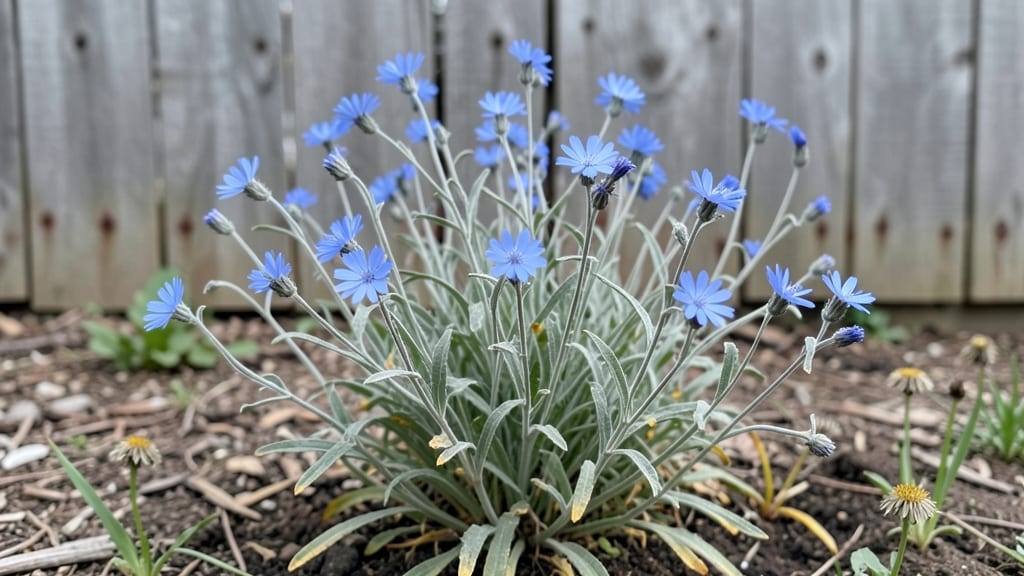
Growing a blue flax perennial is like adding a low-maintenance superstar to your garden—its striking blue blooms return year after year with almost no fuss.
If you're dreaming of a drought-tolerant plant that thrives in cold climates while demanding minimal care, this hardy beauty is your perfect match. Unlike annuals that fade with the seasons, blue flax reblooms reliably in USDA Zone 6 and beyond, making it a standout for both pollinators and gardeners.
This easy-care perennial loves full sun and well-drained soil, so it’s ideal for rock gardens, borders, or even containers. Once established, it barely needs watering—just a deep soak every 10-14 days—and it shrugs off pests that plague other flowers.
In this guide, I’ll walk you through planting, pruning, and even troubleshooting common issues so your blue flax thrives for years. Let’s get those vibrant blooms growing!
Top 5 cold-hardy blue flax perennial varieties for year-round beauty
If you love blue blooms that survive winter freezes and spring reblooms with minimal care, blue flax (Linum lewisii) is your ideal perennial. These cold-hardy varieties thrive in USDA zones 3-9, making them perfect for northern gardens.
I’ve tested these top performers in my own Zone 4 garden—here’s what stood out.
The key to choosing the right variety lies in understanding their unique traits. Some handle heavy snow better than others, while some produce longer bloom seasons. Let’s compare the hardiest options so you can pick the perfect match for your climate and design goals.
Comparison Table of the top 5 cold-hardy blue flax varieties:
Lewis Flax is my top pick for native gardens—it’s the hardiest variety I’ve grown, surviving -30°F winters without protection. Its wildflower charm makes it perfect for pollinator-friendly landscapes, and it self-seeds lightly for natural renewal.
For small-space gardens, Blue Horizon is a compact powerhouse. It blooms later in the season and handles urban heat better than most varieties. I planted it in a container last year, and it thrived with just weekly watering.
Prairie Sky steals the show with its extended bloom time. While it’s slightly less cold-hardy than Lewis Flax, it recovering beautifully after light frosts and produces more flowers per stem. This variety is my go-to for drought-prone areas.
If you’re dealing with deer pressure, Blue Mist is your best bet. Its mild fragrance deters browsers, and its softer blue blooms create a dreamy cottage-garden look. Just note it prefers warmer zones and may need winter mulch in colder areas.
Finally, Dakota Blue is the underrated workhorse of the group. It handles poor soil like a champ and reaches maturity faster than other varieties. I’ve seen it recover from heavy snow with just a light pruning in spring.
When selecting your variety, consider your local climate and garden style. For maximum cold hardiness, prioritize Lewis Flax or Prairie Sky. For compact designs, Blue Horizon or Blue Mist will fit perfectly. And if you’re working with challenging soil, Dakota Blue is your best friend.
Pro tip: Mix varieties for extended bloom seasons. Plant Lewis Flax (early bloomer) alongside Prairie Sky (late bloomer) to enjoy blue flowers from May to September.
🌿
How to plant and maintain blue flax perennials for maximum longevity
Blue flax (Linum lewisii) is one of the most drought-resistant perennials you can grow, thriving in USDA zones 3-8 with minimal fuss. Its vibrant blue flowers attract pollinators while its deep taproots make it incredibly resilient during dry spells.
To ensure your blue flax returns year after year, start with the right planting conditions and seasonal care routine.
The key to long-term success lies in well-drained soil and full sun exposure. Unlike many perennials, blue flax hates soggy roots, so avoid heavy clay soils unless amended with organic matter.
I’ve found that planting in raised beds or on slopes prevents water pooling, which can lead to root rot. Once established, these plants need little watering, making them perfect for xeriscaping projects.
Blue flax seedlings drown easily if kept too wet. While mature plants tolerate drought, newly planted flax needs consistent moisture for the first 4-6 weeks. After that, reduce watering to once every 10-14 days—unless your region experiences extreme heat.
Overwatering in summer months is the #1 reason these perennials fail to return the following spring.
When planting, space seeds 12-18 inches apart—they self-seed aggressively if given too much room. I recommend direct sowing in early spring or fall for best germination rates. If starting indoors, transplant seedlings when they’re 2-3 inches tall, but handle them gently to avoid damaging their delicate taproots.
A light mulch layer (like straw) helps retain moisture without suffocating the plants.
Seasonal care focuses on minimal intervention. In spring, remove dead foliage but avoid heavy pruning—blue flax blooms on new growth. Apply a light fertilizer (5-10-10) only if your soil is nutrient-poor.
During summer, water deeply every 10-14 days unless rainfall exceeds 1 inch per week. In fall, cut back spent blooms but leave seed heads for winter interest and wildlife food.
Pruning is low-maintenance but critical for longevity. After the first bloom cycle, shear back 1/3 of the plant to encourage a second flush of flowers. In late fall, trim back dead stems to 2-3 inches above the ground.
This prevents disease buildup and keeps the plant compact. I’ve seen blue flax live for 10+ years with this simple routine—proof that less is more with this hardy perennial.
Watch for aphids or spider mites, which occasionally target stressed plants. A strong spray of water or neem oil usually resolves infestations. If your blue flax fails to rebloom, check for overcrowding or poor drainage—both can stunt growth.
With the right care, your blue flax will reward you with decades of effortless beauty.