
Flowers
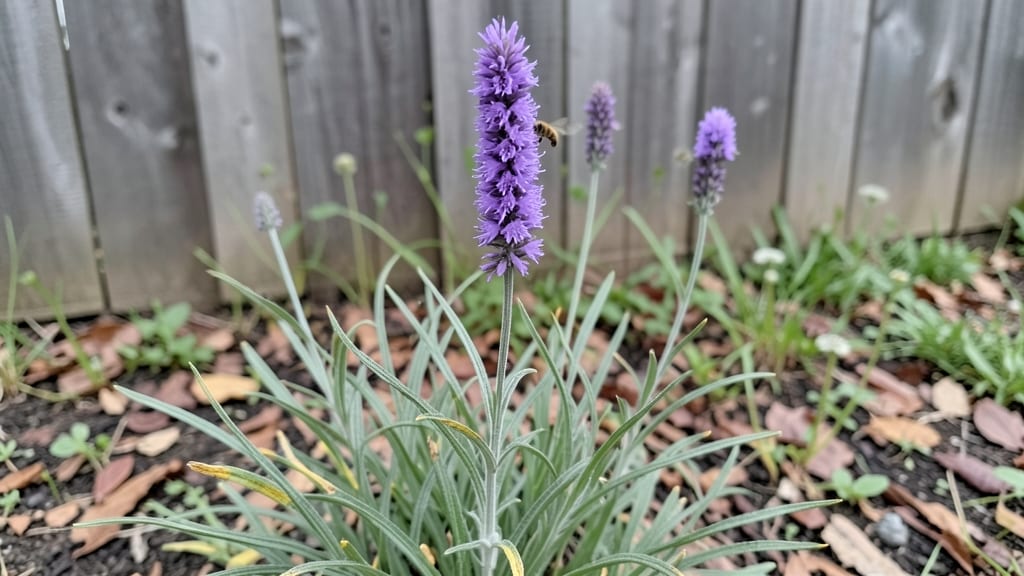
Growing purple spike perennials like Liatris spicata or Echinacea transforms any garden into a buzzing pollinator paradise. ✨ I’ve watched bees and butterflies flock to my clumps of purple spikes every summer, and the secret isn’t complicated—just the right spot and a little patience.
These plants thrive with minimal fuss, rewarding you with dramatic vertical blooms that last for weeks.
The key to success starts with well-draining soil and full sun—at least 6 hours daily. Most gardeners overwater these drought-tolerant plants, so let the soil dry between waterings once established.
Mulch lightly to retain moisture and keep roots cool, but avoid smothering the crown. Plant in early spring or fall, spacing clumps 18-24 inches apart for that signature full, spiky look.
By mid-summer, you’ll see those iconic purple plumes rising above the foliage, drawing in pollinators like a magnet. Deadhead spent blooms to encourage more flowers, and divide clumps every 3-4 years to keep them vigorous.
The best part? These perennials come back year after year, getting even more robust with time.
Works in borders, meadows, or even containers—just ensure good drainage. Here’s how to keep them thriving through every season without the guesswork.
📚 In This Guide
- What you need
- Instructions
- Tips and common mistakes
- Wrapping up and next steps
What you need
- ● Purple spike perennial plants (e.g., Echinacea purpurea, Liatris spicata, or Verbena bonariensis): 3–6 mature plants (for a small garden bed)
- ● 6–12 plants (for a mid-sized border or pollinator patch)
- ● 12+ plants (for a large-scale vertical display)
- ● Well-draining soil mix (or native soil amended with compost): 1–2 cubic yards (for a 4’x4’ bed)
- ● Organic compost (5–10 lbs per plant)
- ● Slow-release fertilizer (10-10-10 or organic option like bone meal)
- ● Mulch (2–3 inches of shredded bark, straw, or pine needles)
- ● Watering can or hose with a gentle spray nozzle
- ● Garden trowel or hand shovel (for transplanting)
- ● Pruning shears (for shaping and deadheading)
- ● Garden gloves (to protect your hands)
- ● Measuring tape or ruler (for spacing plants 12–24” apart)
- ○ Stakes or plant markers (optional but helpful for tracking varieties)
- ● Pollinator-friendly companions (e.g., coneflowers, black-eyed Susans, or milkweed)
- ● Drip irrigation system (for consistent moisture)
- ● Garden twine and stakes (to support taller varieties like Verbena bonariensis)
- ● Organic pest deterrents (neem oil or insecticidal soap)
- ● Seasonal blooms tracker (to monitor growth and flowering cycles)
How to plant and maintain purple spike perennials for stunning pollinator gardens
Here's the straightforward approach I've used to create eye-catching vertical interest in my pollinator-friendly landscapes.
🌱 Step 1: Select the Perfect Planting Location
Purple spike perennials thrive in full sun to partial shade, with at least 6 hours of direct sunlight daily for optimal blooming. Choose a spot with well-draining soil—they hate soggy roots. I always test drainage by digging a 6-inch hole, filling it with water, and watching how quickly it drains. If water lingers after 30 minutes, amend the soil with 2 inches of coarse sand or 1 inch of perlite before planting.
These plants spread slowly but steadily, so give them 2-3 feet of space between clumps to prevent overcrowding. If planting near other perennials, group them with drought-tolerant companions like coneflowers or black-eyed Susans—they share similar water needs and bloom times, creating a cohesive pollinator magnet.
🪴 Step 2: Prepare the Soil and Plant With Care
Loosen the soil to a depth of 12 inches using a garden fork to encourage root penetration. Mix in 1 inch of compost from the ingredients list to provide nutrients without overwhelming the plant. Purple spike perennials prefer slightly acidic to neutral soil (pH 6.0-7.0), so test your soil if your garden runs alkaline—amend with sulfur if needed.
Dig a hole twice as wide as the root ball but only as deep as the container's base. Gently remove the plant from its container, tease the roots if they're circling, and place it in the hole so the top of the root ball sits level with the surrounding soil. Backfill with native soil, pressing lightly to eliminate air pockets. Water deeply to settle the soil and eliminate gaps.
☀️ Step 3: Water and Mulch for Long-Term Success
After planting, water deeply once a week during the first growing season to establish strong roots. You'll know you're watering correctly when the soil feels moist 2-3 inches below the surface—never let it dry out completely. Purple spike perennials are drought-tolerant once established, but young plants need consistent moisture to avoid stress.
Spread 2 inches of mulch (from the ingredients list) around the base, keeping it 2 inches away from the stem to prevent rot. Use shredded bark or pine needles for a natural, long-lasting finish. Mulch helps retain moisture, suppresses weeds, and regulates soil temperature—critical for these heat-loving perennials.
✂️ Step 4: Prune and Maintain for Season-Long Blooms
Deadhead spent blooms in early summer to encourage a second flush of flowers. Simply pinch off the faded spikes with your fingers or clean pruners—no need for elaborate cuts. This simple step extends the blooming season by 4-6 weeks, giving pollinators a longer food source.
In late winter or early spring, cut back the foliage to 3-4 inches above the ground. This tidies up the plant and redirects energy into new growth. I always prune before new shoots emerge—you'll spot them as purple-tinged stems pushing through the soil in late February or early March, depending on your climate.
💧 Step 5: Fertilize and Protect for Pollinator Appeal
Apply a slow-release granular fertilizer (from the ingredients list) in early spring and again in mid-summer to support vigorous growth. Use half the recommended dose—purple spike perennials are low-maintenance and don't need heavy feeding. Water the soil thoroughly after applying to help the granules dissolve evenly.
To maximize pollinator appeal, avoid pesticides entirely. These plants attract bees, butterflies, and hummingbirds, so let nature do its work. If aphids appear (rare but possible), blast them off with a strong stream of water—this protects beneficial insects while keeping the plant healthy.
Tips & tricks for perfect purple spike perennial planting
Here's what I've learned after years of growing these striking perennials that'll help you avoid common pitfalls and create a pollinator paradise.
Drainage is Everything: That 30-minute drainage test in Step 1 is non-negotiable for purple spike perennials. I've seen plants struggle and even die when planted in areas where water pools—even if the soil looks fine on the surface. If you're working with heavy clay soil, consider creating raised beds or incorporating more perlite into your amendments. The roots need oxygen as much as they need water, and poor drainage will lead to root rot before your plant even establishes itself.
Root Ball Placement Matters: In Step 2, when you're positioning your plant, resist the urge to bury it too deeply. The top of the root ball should be level with the surrounding soil—burying it too deep can suffocate the plant while leaving it too high exposes roots to drying winds. I've made this mistake twice and both times noticed slower growth and weaker stems. Use a level or reference point to ensure consistent depth across all your plants.
Watering Wisdom: Those first weeks after planting are critical, but it's easy to overwater. The goal is moist soil 2-3 inches down—not soggy. I've found that watering deeply once a week (as specified) works best in most climates, but adjust based on rainfall. In hot summers, you might need to water twice weekly, while cooler springs may only require every 10 days. Always check moisture before watering—stick your finger in the soil to test.
Pruning Precision: When deadheading in early summer (Step 4), be strategic about where you cut. Aim to remove just the spent flower spikes, leaving the lower foliage intact. This preserves the plant's energy stores while encouraging new blooms from the base. For the winter pruning, mark where you cut with a small stake if you're unsure about the 3-4 inch height—this helps maintain consistent growth year after year.
Pro Tips for Purple Spike Perennial
- Here's what I've learned after years of growing these striking perennials that'll help you avoid common pitfalls and create a pollinator paradise.
- Drainage is Everything: That 30-minute drainage test in Step 1 is non-negotiable for purple spike perennials.
- Root Ball Placement Matters: In Step 2, when you're positioning your plant, resist the urge to bury it too deeply.
Frequently asked questions
What’s the best time to plant purple spike perennials?
Plant in early spring (after the last frost) or early fall for best results. This gives roots time to establish before extreme heat or cold. If transplanting mature plants, water deeply for the first 2 weeks to reduce shock.
How long does it take for purple spikes to bloom?
Most varieties bloom 60–90 days after planting if given full sun (6+ hours) and well-draining soil. Verbascum (mullein) may take 1–2 years to reach full height and flower, but it’s worth the wait for its towering spikes!
Are purple spike perennials truly pollinator-friendly?
Absolutely!
These plants attract butterflies, bees, and hummingbirds. Echinacea is a top choice for bees, while Verbascum supports moths and late-season pollinators. Pair them with salvias or rudbeckias for a buzzing garden!
Why aren’t my purple spikes blooming this year?
Check these common issues:
- Too much shade? Move to sunnier spot.
- Over-fertilizing? These plants prefer lean soil—skip heavy feed.
- Deadheading missed? Snip spent blooms to encourage reblooming.
- Stress from drought? Mulch and water deeply 1–2x/week in dry spells.
What’s a great low-maintenance alternative?
If purple spikes need too much care, try:
- Lavender – Drought-tolerant, pollinator-loved, and fragrant.
- Black-eyed Susan (Rudbeckia) – Bright blooms with minimal fuss.
- Russian sage (Perovskia) – Silvery foliage and late-season spikes.
Wrapping up and next steps
The purple spike perennial isn’t just a pretty face—it’s a powerhouse for pollinators, adding bold vertical drama to any garden while demanding minimal fuss. Whether you’re a seasoned gardener or a newbie with a green thumb, its striking blooms and easy care make it a must-have for vibrant, wildlife-friendly spaces.
Ready to transform your yard? Start small—plant a few spikes this season and watch your garden buzz with life! 🐝✨