
Flowers
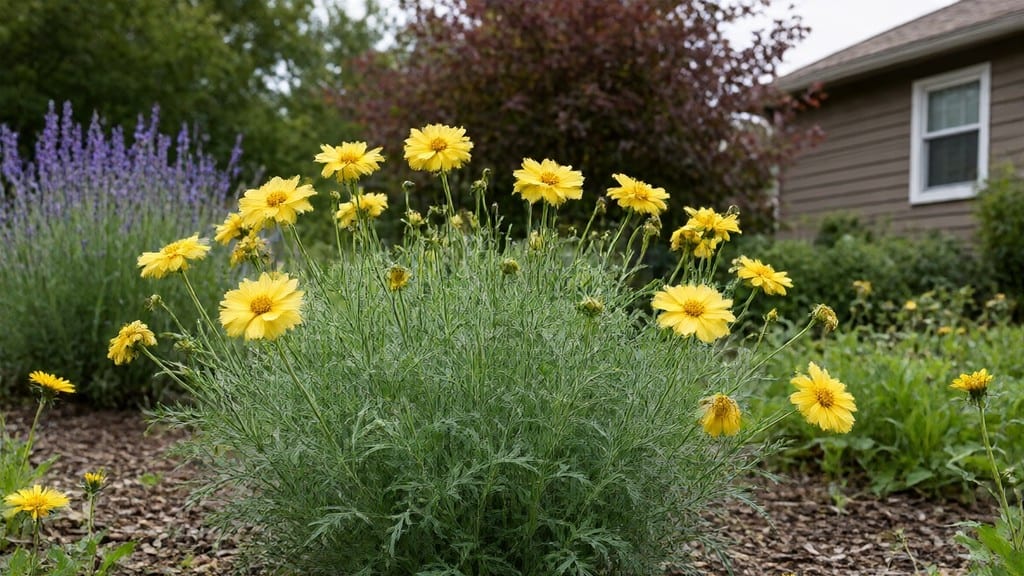
Small perennial flowers are the unsung heroes of any garden—they fill gaps, attract pollinators, and bloom when most annuals have faded. 🌿 I’ve filled my borders with ajuga, creeping thyme, and dwarf coneflowers, and now my yard hums with bees all season long.
These tough little plants handle drought, spread effortlessly, and return every year with zero fuss.
The key to their success is pairing them right. Plant ajuga under roses for its deep purple foliage and spring blooms, tuck creeping thyme between stepping stones for ground cover, and let dwarf coneflowers shine in sunny borders where they’ll thrive for years.
Most need full sun to part shade and well-draining soil—once established, they’re basically indestructible.
What you’ll get is a garden that stays vibrant from early spring to frost. The tiny blooms may seem insignificant, but together they create a nonstop pollinator buffet while adding texture and color where larger flowers can’t reach.
Plus, they’re perfect for containers, rock gardens, or filling in around shrubs where bigger plants can’t grow.
Here’s the best part: these perennials multiply over time, reducing the need to replant. Start with just a few varieties, and soon you’ll have a self-sustaining, low-maintenance display that outperforms any annual bed. Let’s get your borders buzzing with life!
📚 In This Guide
- What you need
- Instructions
- Tips and common mistakes
- Wrapping up and next steps
What you need
- ● Perennial flower seeds or plants: Choose a mix of native species like Lobelia, Coreopsis, Salvia, or Phlox (3–5 varieties for diversity). Aim for 5–10 plants per square foot for a lush look.
- ● Well-draining soil: Test your soil’s pH (ideal range: 6.0–7.0) and amend with compost (1–2 inches mixed into the top 6 inches of soil).
- ● Organic fertilizer: Slow-release granular (e.g., 10-10-10) or compost tea (apply once in early spring).
- ● Mulch: 2–3 inches of shredded bark or straw to retain moisture and suppress weeds.
- ● Watering can or hose: With a gentle spray nozzle to avoid disturbing seedlings.
- ● Pollinator-friendly additives: A small dish of water with pebbles (for thirsty bees) or a bee hotel (for solitary bees).
- ● Stakes or cages: For taller perennials (e.g., Delphinium) to prevent flopping.
- ● Hand pruners: Sharp, clean pair for deadheading spent blooms (keep blooms coming!).
- ● Garden gloves: To protect your hands from thorns or soil.
- ● Seasonal extensions: Frost cloth (for early/late seasons) or a mini greenhouse (for seed-starting).
Step-by-Step guide to planting perennial small flowers for pollinators
Here's how I design a low-maintenance, high-impact pollinator garden that thrives year after year.
🌱 Step 1: Choose the Right Location and Prepare the Soil
Select a spot with at least 6 hours of sunlight daily—most small perennials like black-eyed Susans, coneflowers, and bee balm thrive in full sun. If your site gets afternoon shade, opt for shade-tolerant varieties like columbine or asters. Clear the area of weeds and loosen the soil to a depth of 6-8 inches with a garden fork.
Amend the soil with 2 inches of compost (from your materials list) to improve drainage and fertility. Work it into the top 6 inches of soil until it’s crumbly and dark. Avoid compacting the soil—press lightly with your hands to check for the right texture. Well-draining soil prevents root rot, especially in clay-heavy areas.
🌿 Step 2: Plant Bare-Root Perennials at the Right Depth
Soak the bare-root plants in lukewarm water for 1-2 hours before planting to rehydrate the roots. Dig holes twice as wide as the root ball but only as deep as the top of the root crown—planting too deep suffocates the plant, while too shallow exposes roots to drying. I always mark the crown’s original depth with a pencil before digging.
Space plants 12-18 inches apart (check individual plant tags for spacing needs). Place each plant in its hole, ensuring the root crown sits level with the soil surface. Fill the hole with soil, pressing gently to eliminate air pockets. Water deeply until the soil settles—you’ll see water pool at the surface before draining away. Mulch with 2 inches of shredded bark (from your materials) to retain moisture and suppress weeds.
☀️ Step 3: Water and Maintain for Year-Round Blooms
Water deeply once a week for the first 4-6 weeks to encourage strong root growth. After establishment, most small perennials tolerate drought once established, but they’ll reward you with longer blooming seasons if kept consistently moist. Check soil moisture by sticking your finger 2 inches deep—if it’s dry, water again.
Deadhead spent blooms monthly to redirect energy into new growth. I snip flowers just above the first set of healthy leaves with clean pruners—this encourages bushier plants and prolongs the flowering season. Fertilize lightly in early spring with a balanced 10-10-10 fertilizer (from your materials) to support new foliage.
✂️ Step 4: Divide and Renew Every 3-4 Years
Perennials naturally spread, so divide clumps in early spring or fall when plants are dormant. Dig up the entire plant, then separate it into 3-4 inch sections with a sharp spade. Replant the divisions immediately in fresh soil, watering deeply to help roots establish. This rejuvenates plants and fills gaps in your garden.
Watch for yellowing leaves or reduced blooms—these are signs your perennials need dividing. I always divide in cool weather to minimize stress on the plants. After replanting, mulch again to protect new roots from drying out. Divided perennials often bloom even more vigorously the following season.
Tips & tricks for perfect perennial small flower gardens
A few simple tricks will help your pollinator garden thrive—and save you from common gardening mistakes.
Soil Prep Secret: In Step 1, don't just amend the soil—test it first! If your soil is heavy clay, mix in 1 part sand for every 3 parts soil to improve drainage. For sandy soil, add extra compost (up to 4 inches) to retain moisture. I always do a quick "squeeze test"—if soil clumps tightly when wet, it needs sand; if it falls apart, it needs more organic matter.
Planting Depth Hack: When marking the root crown depth in Step 2, use a toothpick instead of a pencil—it's sharper and leaves a more visible mark. Also, if your plants have very long roots, gently fold them into the hole before covering. This prevents roots from growing in awkward directions that can stress the plant.
Watering Wisdom: The "finger test" in Step 3 works best if you check moisture at the same time each week. I test around 10 AM when soil is naturally drier. If your finger comes out clean (no soil clinging), water immediately. For newly planted perennials, I use a soaker hose to deliver water slowly at the base—this prevents runoff and ensures deep watering.
Dividing Strategy: In Step 4, when separating plant clumps, look for natural divisions where roots grow outward. If you can't easily separate them, use a clean knife to gently cut between sections. I always replant the healthiest divisions first—they'll establish fastest and give you the most blooms next season. Label each new planting with a small stake to track which varieties are where!
Pro Tips for Perennial Small Flowers
- A few simple tricks will help your pollinator garden thrive—and save you from common gardening mistakes.
- Soil Prep Secret: In Step 1, don't just amend the soil—test it first!
- Planting Depth Hack: When marking the root crown depth in Step 2, use a toothpick instead of a pencil—it's sharper and leaves a more visible mark.
Frequently asked questions
Got questions about perennial small flowers?
You’re not alone! Whether you’re a beginner gardener or a seasoned pro, these answers will help you create a thriving pollinator paradise with ease.
What are the easiest perennial small flowers for beginners?
Start with hardy, low-maintenance picks like coreopsis, black-eyed Susan, or shasta daisies. These tolerate poor soil, drought, and partial shade while attracting bees and butterflies effortlessly. Lavender and salvia are also great for their resilience and fragrance!
When is the best time to plant perennial small flowers?
Plant in early spring (after the last frost) or early fall (6 weeks before your first frost). This gives roots time to establish before extreme heat or cold. For container plants, you can even tuck them in during mild winters—just protect them with mulch!
How do I keep my small perennial flowers blooming all season?
Deadhead spent blooms regularly to encourage new growth. Feed lightly with compost or a balanced fertilizer in spring, and water deeply but infrequently to promote strong roots. Mulch around plants to retain moisture and deter weeds—your pollinators will thank you!
Can I grow perennial small flowers in containers or small spaces?
Opt for compact varieties like ajuga, heuchera, or dwarf coneflowers. Use well-draining soil, a pot with drainage holes, and place them in sunny spots (6+ hours of light). Rotate containers occasionally for even growth.
Why aren’t my perennial small flowers blooming this year?
Common culprits include over-fertilizing (too much nitrogen = lush foliage, few blooms), poor sunlight, or crowded roots. Try dividing mature clumps in spring or moving plants to sunnier spots. If pests (like aphids) are present, use neem oil for a gentle fix!
Wrapping up and next steps
Transforming your garden into a pollinator paradise with perennial small flowers is easier—and more rewarding—than you think! 🌸 From sun-loving lavender to shade-friendly ajuga, these low-maintenance blooms deliver year-round color, biodiversity, and joy with minimal effort.
Whether you’re a seasoned gardener or just starting, every small flower planted makes a big difference for bees, butterflies, and your own happiness.
Ready to take the next step? Start small—pick one or two perennials to test in a sunny or shady spot, then expand your patch as you fall in love with the results. Your garden (and the pollinators!) will thank you. 🌿✨