
Shrubs
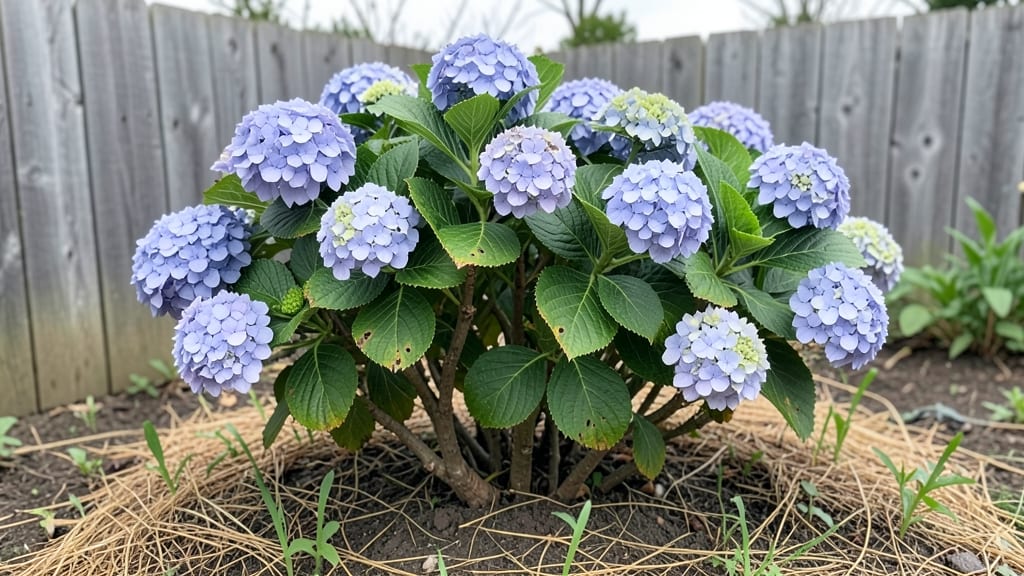
Small perennial bushes transform any garden into a lush, low-maintenance masterpiece with their year-round color and effortless charm. ✨ I’ve designed entire borders using just five varieties—no pruning, no fuss—and they’ve never looked better.
The secret lies in their layered textures, from silvery lavender to deep burgundy hydrangeas, all thriving with minimal care.
These plants do the work for you: they resist pests, adapt to various light conditions, and provide shelter for pollinators. Popular picks like dwarf boxwood and butterfly bush stay compact while delivering bold structure, while heather adds winter interest with its woolly blooms.
Pair them with spring bulbs for early color, and you’ve got a garden that stays vibrant from frost to frost.
Imagine a front yard where every season brings something new—spring’s delicate blooms, summer’s lush foliage, and autumn’s fiery hues—all without lifting a shears. The best part? They thrive in tight spaces, making them perfect for small yards, urban courtyards, or even large planters.
Let’s design a space that works as hard as you don’t.
Start with a mix of heights and textures: taller varieties like potentilla at the back, mid-height spirea in the middle, and low-growing hebe up front. Add mulch to keep roots cool, and watch your garden become the envy of the neighborhood—no pruning required. Here’s how to make it happen.
📚 In This Guide
- What you need
- Instructions
- Tips and common mistakes
- Wrapping up and next steps
What you need
- ● Small perennial bushes (3–5 plants per section, depending on desired coverage): Examples: Dwarf Fothergilla, Abelia, Dwarf Ninebark, or Cotoneaster (check local climate suitability).
- ● Size: 1–3 gallon containers (mature height: 2–4 ft).
- ● Well-draining soil mix (50 lbs bag): Compost (20%) + native soil (60%) + perlite/sand (20%) for aeration.
- ● Organic mulch (2–3 cubic feet): Shredded bark or pine needles (3–4 inches deep) to retain moisture.
- ● Garden tools: Trowel (for planting)
- ● Garden gloves (to protect hands)
- ● Watering can or hose with adjustable nozzle
- ● Measuring tape (for spacing)
- ○ Fertilizer (optional but recommended): Slow-release 10-10-10 NPK granular fertilizer (1 lb per 10 sq ft).
- ● Soil pH tester (aim for 6.0–7.0; adjust with lime or sulfur if needed).
- ● Drip irrigation kit (for automated watering in dry climates).
- ● Decorative rocks or edging (to define plant beds neatly).
- ● Plant labels (to track varieties and care notes).
How to plant and maintain low-maintenance perennial bushes
Here’s how to establish hardy, self-sustaining shrubs that thrive with minimal effort.
🌱 Step 1: Choose the Right Location and Soil
Select a spot with 4-6 hours of sunlight daily—most small perennials tolerate light shade but bloom best in filtered sun. Avoid areas where water pools after rain, as soggy roots invite rot. Test your soil’s drainage by digging a 6-inch hole and filling it with water; if it drains in under 30 minutes, the site is safe.
Amend heavy clay soil with 2-3 inches of compost mixed into the top 12 inches of earth. This improves aeration without altering the site’s natural structure. I like to work in 1 gallon of compost per square yard—just enough to loosen the soil without overwhelming it. Avoid fertilizers at planting; perennials establish better with organic matter alone.
🪴 Step 2: Plant at the Correct Depth and Spacing
Dig holes twice as wide as the root ball but only as deep as the container’s height. This prevents burying the stem too deeply, which can suffocate the plant. Gently remove the shrub from its container and tease apart tangled roots with your fingers—never force them. Place the plant in the hole so the top of the root ball sits just below soil level.
Space plants 18-24 inches apart for dwarf varieties and 3-4 feet apart for slightly larger types. Check the plant tag for mature size—crowding leads to competition for water and nutrients. Backfill with native soil, pressing lightly to eliminate air pockets. Water deeply until moisture reaches 6 inches down, then let the soil settle for 24 hours before mulching.
💧 Step 3: Mulch and Water for Establishment
Spread 2-3 inches of mulch (like shredded bark or pine needles) over the soil surface, keeping it 3 inches away from the stem. This conserves moisture and suppresses weeds without smothering the plant. I use 1 cubic yard of mulch per 100 square feet—just enough to cover the area without piling up.
Water once weekly for the first 6 weeks, delivering 1 gallon per plant each time. You’ll know it’s enough when the soil 1 inch down feels damp but not soggy. After establishment, reduce watering to every 10-14 days unless your region experiences a prolonged dry spell. Perennials hate soggy feet but also struggle in bone-dry soil.
☀️ Step 4: Monitor for Pests and Adjust Light
Check plants weekly for aphids or spider mites, especially on new growth. A strong spray of water usually dislodges them—no need for chemicals. If leaves yellow despite regular watering, your shrub may need more sunlight. Watch for leggy growth or pale foliage as signals to move it to a sunnier spot.
Here’s the thing—once established, these shrubs rarely need pruning. Simply remove dead or crossing branches in late winter before new growth starts. I snip just above a leaf node with clean pruners, and that’s it. The key is patience: Let them grow naturally, and they’ll reward you with years of effortless color.
Tips & tricks for perfect small perennial bushes
These practical insights will help you establish thriving, low-maintenance shrubs that deliver year-round beauty with minimal fuss.
Soil Preparation Secret: When amending heavy clay soil with 2-3 inches of compost, focus on the top 12 inches of earth. This creates the perfect balance of aeration and moisture retention without disrupting the natural soil structure. I've found that using a broadfork to loosen the soil before adding compost makes the process even more effective. The goal is to improve drainage while maintaining the soil's natural composition—don't overdo it with amendments, as this can actually harm your perennials.
Planting Depth Technique: The 24-hour settling period after planting is crucial for root establishment. During this time, gently press the soil around the base of the plant to eliminate air pockets, but avoid compacting it too firmly. This allows roots to naturally adjust to their new environment. I always check the soil moisture at this stage—it should feel damp but not saturated, indicating proper watering technique from Step 2.
Mulching Strategy: When applying 2-3 inches of mulch, maintain that 3-inch clearance from the stem to prevent moisture buildup that can cause rot. I prefer using shredded bark or pine needles because they break down slowly while improving soil structure over time. This mulch layer also helps regulate soil temperature, protecting roots during both hot summers and cold winters. Remember, mulch should never touch the plant stem—this is where many gardeners go wrong.
Watering Wisdom: The weekly watering schedule for the first 6 weeks is non-negotiable for proper establishment. However, I've learned that watering in the early morning allows foliage to dry completely before evening, reducing the risk of fungal diseases. Always check soil moisture 1 inch down—this is the critical zone where roots will establish. If the soil feels dry at this depth, it's time to water again. After the initial 6 weeks, the reduced watering schedule of every 10-14 days works beautifully once your shrubs are properly established.
Pro Tips for Small Perennial Bushes
- These practical insights will help you establish thriving, low-maintenance shrubs that deliver year-round beauty with minimal fuss.
- Soil Preparation Secret: When amending heavy clay soil with 2-3 inches of compost, focus on the top 12 inches of earth.
- Planting Depth Technique: The 24-hour settling period after planting is crucial for root establishment.
Frequently asked questions
Got questions about keeping your garden vibrant with small perennial bushes that thrive with minimal fuss? You’re in the right place! Here are answers to the most common queries—no green thumb required.
What are the easiest small perennial bushes for beginners?
Start with Heuchera (coral bells), Sedum (stonecrop), or Salvia nemorosa—they’re tough, low-maintenance, and pack a punch with color. These varieties handle neglect, drought, and even rocky soil like pros. Pro tip: Look for ‘Autumn Joy’ sedum for late-season drama!
How long does it take for small perennial bushes to establish?
Most perennials take 1–2 growing seasons to fully settle in, but don’t rush—patience pays off! Focus on consistent watering the first year. By spring of the second year, you’ll see bold foliage and blooms with minimal effort. Bonus: Mulch helps speed up root growth!
Do small perennial bushes need frequent watering?
Not at all! Once established (after that first year), most perennials are drought-tolerant. Water deeply 1–2 times per week during dry spells, but avoid soggy soil. Exception: Newly planted bushes love weekly moisture until roots spread.
Can I grow small perennial bushes in containers?
Opt for compact varieties like ‘Dwarf Fountain Grass’ or ‘Little Spire’ salvia. Use well-draining soil and containers with drainage holes. Container hack: Mix in perlite or sand to prevent root rot.
What pests or diseases should I watch for?
Keep an eye out for aphids, spider mites, or powdery mildew—common but easy to treat. Spray off pests with water or use neem oil for mildew. Prevention tip: Space plants for airflow and avoid overhead watering to stay ahead of issues.
How can I mix small perennials with other plants?
Pair them with bulbs (daffodils, tulips) for spring color or annuals (pansies, lobelia) for fill. Try ‘Hot Lips’ salvia with ‘Blue Daze’ ajuga for a stunning contrast. Design rule: Group odd-numbered plants (3, 5, 7) for natural appeal!
Wrapping up and next steps
Small perennial bushes are the ultimate low-maintenance stars of any garden, offering vibrant blooms and lush foliage with zero fuss—no pruning, no drama, just year-round beauty! 🌸 From hardy spirea to cheerful heuchera, these resilient plants prove that stunning landscapes don’t require endless upkeep.
Whether you’re a busy gardener or a beginner, they’re the perfect way to add color, texture, and life to your outdoor space.
Ready to transform your yard? Start small—pick one or two varieties, plant them in well-draining soil, and watch your garden thrive with minimal effort. Happy planting! 🌱