
Flowers
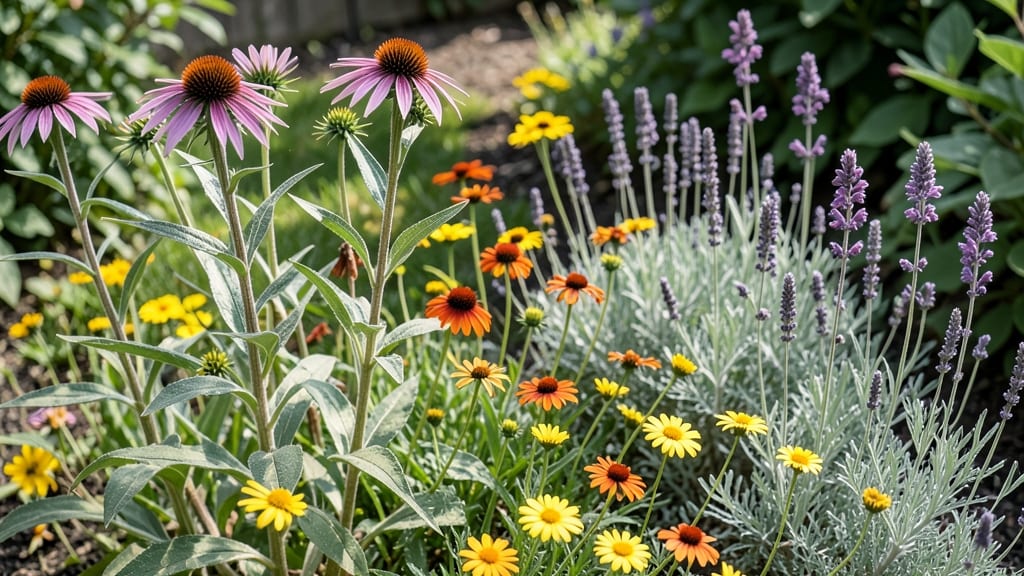
My wildflowers perennial mix transformed my backyard from a patchy green space into a buzzing, colorful haven that hums with life all year. 🌸 The first time I saw monarch butterflies fluttering through the late-summer blooms, I knew I’d never go back to high-maintenance annuals.
This isn’t just about pretty flowers—it’s about creating a thriving ecosystem where pollinators, birds, and even beneficial insects find food and shelter.
The beauty of a perennial mix is that it grows stronger each year while demanding less from you. No weekly watering, no fussing over deadheading—just a tapestry of color that shifts with the seasons.
Plant it once, and you’ll get three to five years of effortless beauty, with blooms from early spring through frost. The key is choosing the right location: full sun for most mixes, well-draining soil, and minimal interference once established.
You’ll end up with a garden that looks like it belongs in a storybook—soft drifts of purple coneflowers, golden black-eyed Susans, and delicate lavender blooms swaying in the breeze.
The air fills with the sweet scent of bee balm and the occasional buzz of pollinators, making every walk through the yard feel like a celebration. Even my neighbors started asking where I bought the “magic seeds.”
Works in cottage gardens, modern landscapes, or even as a low-maintenance border. Whether you’re in the Southwest or the Northeast, there’s a mix suited for your climate. Let’s get your pollinator paradise planted!
📚 In This Guide
- What you need
- Instructions
- Tips and common mistakes
- Wrapping up and next steps
What you need
- ● Wildflowers Perennial Mix Seeds: 1–5 lbs (coverage depends on space; 1 lb ≈ 1,000 sq ft for full sun, well-drained areas). Opt for native varieties for best pollinator support!
- ● Garden Soil or Compost: 2–3 inches of high-quality topsoil or compost to enrich planting beds.
- ● Organic Mulch: Straw, wood chips, or pine needles (1–2 inches) to retain moisture and suppress weeds.
- ● Watering Can or Hose with Nozzle: A gentle spray attachment helps avoid displacing seeds.
- ● Garden Gloves: A pair to protect your hands from prickly stems or rough soil.
- ● Hand Rake or Hoe: For loosening soil and creating a fine seedbed.
- ○ Broadcast Spreader (Optional): Saves time for large areas—calibrate for even distribution.
- ● Measuring Tape or Ruler: Ensures proper spacing (if pre-planning rows).
- ● Sunlight: A minimum of 6 hours of full sun daily (most wildflowers thrive in 6+ hours).
- ● Well-Drained Soil: Avoid soggy spots—amend clay soil with sand or compost if needed.
- ● Water Access: A consistent water source for the first 4–6 weeks until roots establish.
- ● Patience: Germination takes 7–30 days (depending on species and weather).
Step-by-step guide to establishing a thriving wildflower perennial meadow
Here's how I create a resilient, low-maintenance pollinator garden that blooms season after season.
🌱 Step 1: Clear and Prepare the Site
Start by removing all existing vegetation in your chosen area using a sod cutter or manual weeding tools. I always mark the boundaries with landscape fabric stakes to visualize the final shape while ensuring the space is at least 4 feet by 4 feet for proper pollinator activity. This size allows for diverse species to thrive without competition.
Once cleared, loosen the top 6 inches of soil with a broadfork or tiller to improve drainage and aeration. Avoid compacting the soil further—wildflowers establish best in loose, well-drained conditions. If your soil is heavy clay, incorporate 2 inches of coarse sand or composted leaf mold to improve structure. Test for soil pH and aim for a neutral range of 6.0-7.0—most wildflower mixes perform best in this range.
💧 Step 2: Sow Seeds at the Right Time and Depth
Sow seeds in early spring or late summer when soil temperatures are 50-70°F—this ensures optimal germination without heat stress. I like to broadcast seeds evenly across the prepared area, then lightly rake to cover them with ¼ inch of soil. Press the seeds into the soil gently to ensure good soil contact, which is critical for moisture uptake and germination.
Water immediately after sowing to settle the seeds into place, then maintain consistent moisture by watering 2-3 times per week until seedlings reach 2 inches tall. Avoid overwatering—wildflower seeds rot quickly in soggy conditions. Once established, these perennials become drought-tolerant, but young plants need steady moisture to develop strong root systems.
☀️ Step 3: Provide Sunlight and Minimal Maintenance
Wildflowers thrive in full sun (6+ hours daily), so choose a location that receives maximum sunlight. If your site has afternoon shade, focus on shade-tolerant species like black-eyed Susans or bee balm—they'll still perform well. After germination, reduce watering to once per week unless experiencing extreme drought, and avoid fertilizing. Wildflowers grow best in lean, nutrient-poor soil—excess nitrogen produces weak stems that flop over.
Allow the plants to self-seed naturally by leaving seed heads intact through winter. This ensures a continuous bloom cycle year after year. In late winter or early spring, mow back any dead growth to 3-4 inches tall—this clears space for new growth while protecting overwintering pollinators. Avoid cutting too low, as many species rely on basal leaves for early-season energy.
✂️ Step 4: Monitor and Maintain Pollinator Activity
Once established, your meadow will attract bees, butterflies, and beneficial insects. I recommend leaving a 10-foot diameter undisturbed area each year to support overwintering species. Observe which flowers bloom first in spring—these early bloomers (like lupine or wild bergamot) provide critical nectar when few other resources are available.
If invasive species like Johnson grass or dandelions appear, remove them by hand or with a hoe before they spread. These aggressive plants can outcompete your wildflowers. In late summer, consider a light mulch of straw or leaf litter to suppress weeds while retaining moisture. This step is optional but helps maintain the meadow's natural aesthetic.
Tips & tricks for perfect wildflower perennial meadows
A few strategic moves will transform your pollinator garden from good to extraordinary—here's what I've learned after years of trial and error.
Soil Preparation Secret: Don't just loosen the top 6 inches of soil—focus on breaking up any compacted layers below that. I use a broadfork to gently aerate down to 8-10 inches for better root penetration. This is especially important if your site has heavy foot traffic or was previously lawn. The key is to create a loose, crumbly texture that mimics natural meadow conditions—wildflowers reward you with deeper roots when they can grow freely.
Timing Strategy: While early spring or late summer are ideal for sowing, I've found that late summer planting often yields better first-year results. The warm soil temperatures (50-70°F) create perfect conditions for germination, and you avoid competing with spring weeds. If planting in spring, consider using a weed barrier fabric to suppress early weed growth while your wildflowers establish.
Watering Wisdom: The 2-3 times per week watering schedule is crucial, but timing matters just as much. Water in the early morning so foliage dries quickly, preventing fungal diseases. I use a gentle sprinkler or soaker hose to avoid disturbing the delicate seedlings. Once they reach 2 inches tall, you can reduce to once weekly—but always water deeply to encourage deep root growth. Shallow watering creates weak, shallow root systems that struggle in drought.
Mulching Technique: That optional straw or leaf litter mulch in late summer serves two purposes: it suppresses weeds while retaining moisture. I prefer straw because it breaks down slowly and doesn't compact like leaf litter. Spread it lightly—just enough to cover bare soil between plants. This creates a microclimate that helps seeds stay moist for germination while protecting overwintering pollinators.
Pro Tips for Wildflowers Perennial Mix
- A few strategic moves will transform your pollinator garden from good to extraordinary—here's what I've learned after years of trial and error.
- Soil Preparation Secret: Don't just loosen the top 6 inches of soil—focus on breaking up any compacted layers below that.
- Timing Strategy: While early spring or late summer are ideal for sowing, I've found that late summer planting often yields better first-year results.
Frequently asked questions
Got questions about creating a stunning wildflowers perennial mix? You’re not alone! Here are some of the most common queries—and their answers—to help you get started with confidence.
What’s the best time of year to plant a wildflowers perennial mix?
The ideal planting window is early spring (as soon as the soil is workable) or early fall (6-8 weeks before your first frost). This gives roots time to establish before extreme heat or cold. Avoid planting in peak summer—dry conditions can stress young seedlings. Pro tip: If you’re in a warm climate, late winter is also a great time!
How much sunlight does a wildflowers perennial mix need?
Most wildflower blends thrive in full sun (6+ hours of direct light daily), but some varieties tolerate partial shade (3-6 hours). Check your mix’s label for specifics—sun-loving perennials (like black-eyed Susans) will wilt in deep shade, while shade-tolerant options (like columbine) may struggle in scorching heat. Pro tip: Observe your garden’s sunlight patterns before planting!
Do I need to fertilize wildflowers perennial mixes?
Generally, no! Wildflowers are low-maintenance and often outcompete weeds without extra nutrients. In fact, too much fertilizer can deter pollinators and encourage leafy growth over flowers. If your soil is very poor, a light application of compost in early spring is enough. Pro tip: Skip synthetic fertilizers—wildflowers love lean, natural soil!
How do I keep weeds from overtaking my wildflowers?
Weeds are the biggest challenge, but don’t worry—patience and strategy win. Mulch lightly (with straw or leaves) to suppress weeds without smothering seedlings. Hand-pull weeds early, focusing on the roots. Once established (after 1-2 years), wildflowers will crowd out most weeds naturally. Pro tip: Mow high (3-4 inches) in the first year to discourage weeds!
Can I use a wildflowers perennial mix in containers or small spaces?
Choose a compact or dwarf mix (like lobelia, alyssum, or coreopsis) for containers, window boxes, or tight garden beds. Use well-draining soil and ensure pots have drainage holes. Pro tip: Group containers near seating areas—pollinators will thank you, and you’ll enjoy the show!
Why aren’t my wildflowers blooming as expected?
Lack of blooms often stems from over-fertilizing, poor sunlight, or cutting back too late. Deadhead spent flowers to encourage more blooms, but avoid trimming until after the first frost (unless your mix is annual-heavy). If blooms are sparse, check for pests (like aphids) or soil compaction. Pro tip: Some perennials need 2-3 years to reach full bloom—patience pays off!
Wrapping up and next steps
Transforming your garden into a vibrant, pollinator-friendly haven with a wildflowers perennial mix is easier—and more rewarding—than you think! 🌸 These hardy plants not only bring year-round color but also support bees, butterflies, and hummingbirds while requiring minimal upkeep.
Whether you're a seasoned gardener or just starting, every seed sown is a step toward a greener, more beautiful outdoor space.
Ready to take the next step? Start small—pick a sunny spot, gather your supplies, and dive in! Plant your mix this season and watch your garden bloom into a thriving ecosystem. Happy gardening! 🌿