
Plants
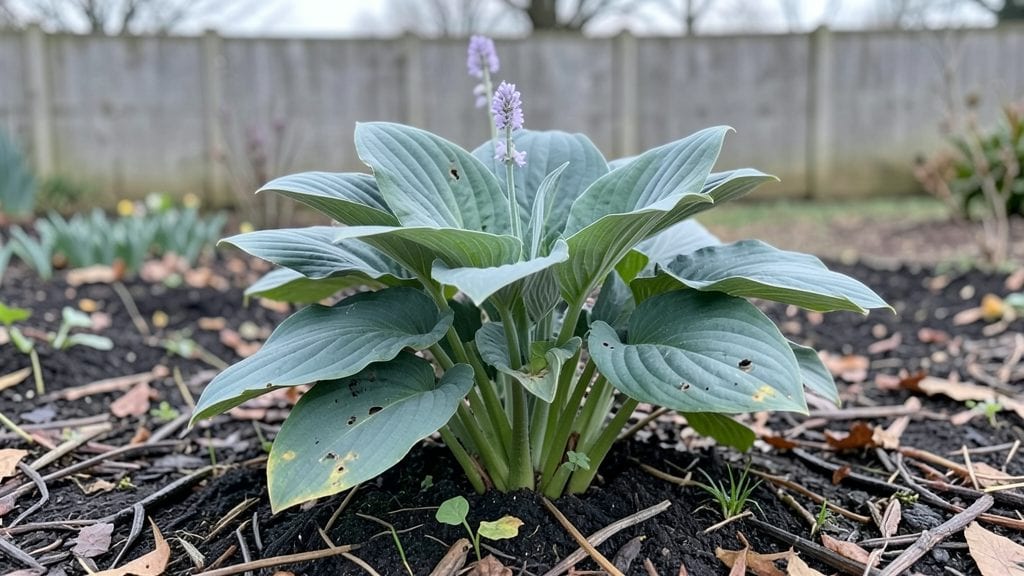
Perennial plants do grow every year, regenerating from roots or underground stems even after winter dormancy, though growth patterns vary by species and climate conditions.
Perennial plants thrive because they've evolved to store energy underground—whether through thick roots, bulbs, or rhizomes—that lets them bounce back each spring. 🌱 Unlike annuals that complete their life cycle in one season, perennials focus on building reserves during their first year, which explains why some species take 2-3 years to reach full maturity.
The key difference lies in their ability to enter dormancy, where metabolic activity slows dramatically but doesn't stop entirely, allowing them to survive freezing temperatures while preserving their growth potential.
This biological strategy makes perennials incredibly resilient, though their performance depends heavily on proper care. For instance, hardy perennials like coneflowers can survive down to -30°F with minimal protection, while tropical varieties may need winter blankets or indoor overwintering.
The trade-off? Their slower initial growth compared to annuals, but the long-term payoff of returning year after year with minimal replanting costs makes them a gardener's best friend.
💡 In This Article
- How Perennial Plants Survive Winter Dormancy
- Best Practices for Year-Round Perennial Plant Care
How perennial plants survive winter dormancy
Perennial plants employ a sophisticated survival strategy called dormancy, where metabolic processes slow dramatically to conserve energy during harsh conditions. This isn't true hibernation—cells remain alive but shift into a low-energy state, with growth hormones like auxin and gibberellin production dropping by up to 90%.
The plant's root systems, which can extend 3-6 feet deep depending on species, act as energy reservoirs, storing carbohydrates like starch in specialized cells.
The key to their resilience lies in bud formation—tiny growth points on stems and roots that contain undifferentiated cells capable of regenerating entire plants. These buds produce antifreeze proteins that prevent ice crystal formation in cells, allowing temperatures down to -40°F in hardy species like Russian sage.
The plant's ability to adjust its cell membrane composition (increasing unsaturated fats) further protects against cold damage, similar to how some animals adapt to winter conditions.
Seasonal growth cycles follow a precise biological clock. In autumn, leaves senesce (break down) to reclaim nutrients, while roots and rhizomes continue storing energy. By winter, the plant may appear dead above ground, but 50-70% of its biomass remains safely underground.
Spring triggers a hormonal cascade—cytokinins and gibberellins surge—signaling buds to break dormancy and new shoots to emerge, often within 7-14 days of consistent above-freezing temperatures.
Cold hardiness zones (USDA zones 3-11) determine which species thrive where. For example, peony roots can survive -30°F but need well-draining soil to prevent rot, while canna lilies (zone 8-11) must be dug up in colder climates.
The trade-off? Plants in colder zones grow more slowly but develop deeper root systems, while tropical perennials prioritize rapid above-ground growth when conditions allow.
What most gardeners overlook is how light exposure triggers dormancy. Short daylight hours in autumn reduce chlorophyll production, while longer winter days (in northern latitudes) can actually prevent dormancy if temperatures remain mild—a phenomenon called vernalization failure.
This explains why some perennials bloom later in warmer winters or fail to flower altogether.
Consider hostas as a prime example: their thick, fleshy roots store enough starch to fuel 2-3 years of growth, while their leaf buds remain protected by a waxy coating that repels ice.
When spring arrives, these buds absorb moisture through specialized tissues, swelling within 24-48 hours before breaking through the soil—a process you can actually observe if you mark a dormant clump in late winter.