
Planting
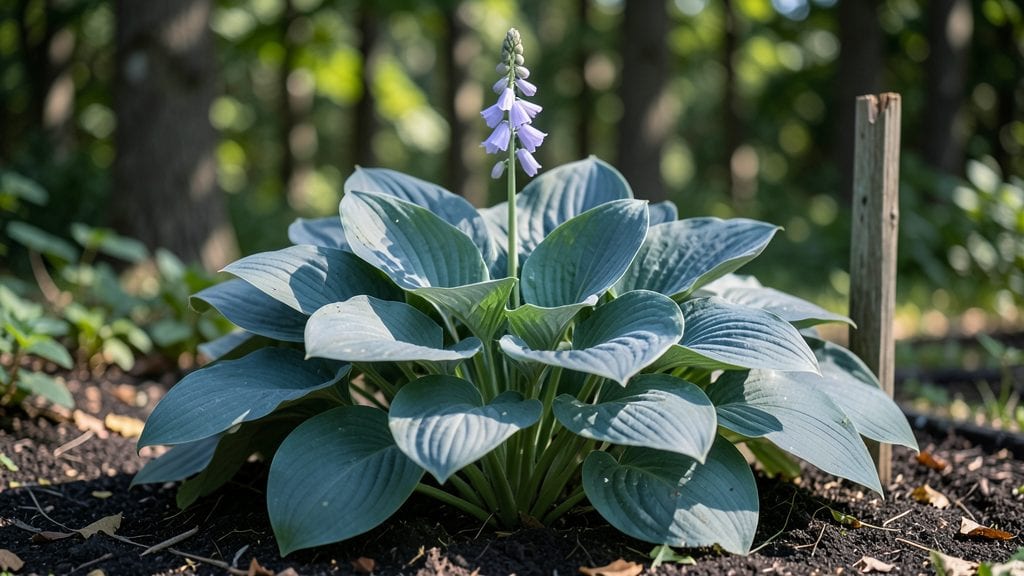
The vibrant perennial plant leaves you nurture today will determine whether your garden flourishes or fades—so let’s talk care. 🌿 I’ve learned that the difference between a thriving perennial and a struggling one often comes down to how we tend to its leaves—whether we’re pruning at the right time, spotting early signs of trouble, or protecting them through seasonal shifts.
The leaves aren’t just decoration; they’re the plant’s lifeline for storing energy, producing flowers, and surviving winters.
Most gardeners focus on blooms, but the real secret to long-term success lies in leaf health. For example, hosta leaves should stay deep green and slightly waxy, while lavender’s silvery foliage signals drought tolerance. Yellowing edges or spots?
That’s usually a cry for help—whether from overwatering, pests, or nutrient deficiencies. With the right care, you can turn those early warning signs into a checklist for keeping your perennials lush and productive.
By mastering a few simple leaf-care routines—like deadheading spent blooms to redirect energy, fertilizing at the right times, and protecting tender foliage in late fall—you’ll extend your harvest season. Imagine snipping fresh herbs in winter or harvesting edible leaves like chard well into autumn.
The payoff isn’t just pretty gardens; it’s a year-round supply of greenery that keeps giving, even when flowers fade.
This works for everything from shade-loving hostas to sun-basking coneflowers, no matter your climate. Let’s break down the exact steps to keep those leaves thriving so your garden does too.
📚 In This Guide
- What you need
- Instructions
- Tips and common mistakes
- Wrapping up and next steps
What you need
- ● Perennial plants: 5–10 hardy perennial varieties (e.g., Comfrey, Hostas, Stachys, Lavender, or Mint). Choose based on your climate zone and harvest needs.
- ● 1–2 slow-growing perennials (e.g., Oregano or Rosemary) for long-term stability.
- ● Soil: 5–10 gallons of well-draining, nutrient-rich soil (pH 6.0–7.0 ideal). Mix in compost for extra fertility.
- ○ Optional: Mycorrhizal fungi (1 lb) to boost root health.
- ● Containers or garden beds: 5–10 pots (10–12" diameter) or a raised bed (4'x8' minimum) with drainage holes.
- ○ Optional: Self-watering planters for low-maintenance care.
- ● Watering tools: Watering can (1–2 gallons) or a drip irrigation kit.
- ● Mulch (straw or shredded leaves, 2–3 inches) to retain moisture.
- ● Pruning tools: Sharp bypass pruners (for clean cuts) and garden shears.
- ● Disinfectant (rubbing alcohol or bleach solution) to sterilize tools between cuts.
- ● Organic fertilizer (e.g., fish emulsion or worm castings) for a nutrient boost.
- ● Shade cloth (30–50%) to protect tender leaves from harsh sun.
- ● Label tags and a permanent marker to track plant varieties.
- ● Gloves (nitrile or leather) for handling prickly or aromatic leaves.
- ● Harvest basket or mesh bag to collect leaves without damaging them.
How to maintain perennial plant leaves for consistent, year-round growth
Healthy perennial foliage isn't luck—it's strategy. Here's how to keep leaves vibrant through every season.
🌿 Step 1: Prune Strategically to Encourage New Growth
Start by removing any dead, yellowed, or damaged leaves with clean, sharp pruning shears. I always cut just above a leaf node or bud—this is where new growth emerges. For perennials like hostas or astilbes, I never remove more than one-third of the foliage at once; this ensures the plant retains enough energy to regenerate.
Watch for the plant's natural growth patterns. If leaves appear crowded or leggy, it's time to thin out the center. You'll notice new shoots emerging from the base within 2-3 weeks—this is your signal that the plant is responding well. For woody perennials like Russian sage, I prune back by one-third in early spring to stimulate fresh, vigorous growth.
💧 Step 2: Water Deeply and Consistently for Root Development
Perennial leaves thrive when roots run deep. Water once per week during dry spells, delivering 1 inch of water directly to the soil—not the leaves—to prevent fungal issues. I use a soaker hose for large plantings because it delivers moisture slowly and evenly, encouraging roots to spread outward.
Check soil moisture by sticking your finger 2 inches deep—if it feels dry, it's time to water. Overhead watering can lead to leaf spot diseases, so I avoid sprinklers entirely. Mulch with 2-3 inches of organic mulch (like shredded bark) to retain moisture and regulate soil temperature, which keeps leaves lush even during heatwaves.
☀️ Step 3: Adjust Light Exposure Seasonally for Optimal Foliage
Most perennials need 6 hours of sunlight daily, but some varieties—like ferns or astilbes—thrive in partial shade. Observe your plants: if leaves yellow between veins (a sign of too much sun), move them to a spot with morning sun and afternoon shade. Conversely, if growth slows or leaves pale, they need more light.
In late summer, when days shorten, I gradually move shade-loving perennials to slightly sunnier spots. This prevents shock and ensures a smooth transition. For sun-lovers like lavender or coneflowers, I avoid moving them at all—consistency is key to maintaining thick, healthy leaves.
✂️ Step 4: Fertilize at the Right Times to Support Leaf Production
Feed perennials in early spring with a balanced, slow-release fertilizer (10-10-10) to jumpstart growth. I apply it around the drip line, not directly on leaves, to avoid burns. For heavy feeders like cannas or hostas, I add a second feeding in midsummer with a high-nitrogen formula to keep foliage rich and green.
Watch for signs of deficiency: yellowing lower leaves often mean nitrogen is lacking, while purple-tinged leaves signal phosphorus needs. I always water the soil thoroughly after fertilizing to help nutrients penetrate deeply. Avoid fall fertilization—it encourages tender new growth that won’t survive winter.
Tips & tricks for perfect perennial plant leaves
Real talk: Maintaining vibrant perennial foliage year-round takes more than just occasional watering—it's about understanding your plants' rhythms. Here's what I've learned after years of trial and error.
Pruning Precision: When you're thinning out crowded leaves in Step 1, focus on removing the oldest, innermost leaves first. This creates better airflow and sunlight penetration to the center of the plant, which is where new growth emerges. I always make cuts at a 45-degree angle just above a leaf node—this prevents water from pooling and causing rot. For large perennials like hostas, I use clean pruning shears and disinfect them with rubbing alcohol between cuts to prevent disease spread. The 2-3 week window for new shoots to appear is your confirmation that you've done it right.
Watering Wisdom: That once-per-week watering guideline in Step 2 assumes average summer conditions. If you're experiencing a heatwave or your soil drains exceptionally fast, you might need to water every 3-4 days instead. I test soil moisture by pushing my finger 2 inches deep—if it feels drier than a crisp autumn morning, it's time to water. For container-grown perennials, you'll need to water more frequently, sometimes daily during hot spells. The key is consistency: better to water deeply once a week than give plants a quick drink every day.
Light Exposure Strategy: The 6 hours of sunlight mentioned in Step 3 is a great starting point, but remember that light quality matters just as much as quantity. Early morning sunlight is gentler than harsh afternoon rays, which is why morning sun with afternoon shade works so well for sun-sensitive varieties. I've found that moving plants gradually—about 2 feet per day—helps them adjust without shock. For shade-loving perennials, if you notice leaves turning pale or growing long and leggy, they're signaling they need more light, not less.
Fertilizer Timing: The early spring feeding in Step 4 is non-negotiable for most perennials, but timing matters just as much as what you use. I apply fertilizer when I see the first signs of new growth emerging from the soil—usually when forsythia bushes start blooming in my zone. For that second midsummer feeding, I wait until after the first flush of summer growth appears. This prevents over-fertilizing, which can lead to tender new growth that won't survive winter. Always water thoroughly after fertilizing to help nutrients reach the roots rather than burning the foliage.
Pro Tips for Perennial Plant Leaves
- Real talk: Maintaining vibrant perennial foliage year-round takes more than just occasional watering—it's about understanding your plants' rhythms.
- Pruning Precision: When you're thinning out crowded leaves in Step 1, focus on removing the oldest, innermost leaves first.
- Watering Wisdom: That once-per-week watering guideline in Step 2 assumes average summer conditions.
Frequently asked questions
Got questions about keeping your perennial leaves lush and productive? You’re not alone! Here are some of the most common queries gardeners have—plus quick, actionable answers to keep your green harvest thriving all year.
When is the best time to harvest perennial leaves for maximum yield?
The ideal time depends on the plant, but early morning (after dew dries but before the heat of the day) is best. For tender leaves like hosta or comfrey, harvest in spring or early summer when growth is vigorous. For hardy perennials like lamb’s ear, you can harvest leaves throughout the growing season—just avoid cutting more than 1/3 of the plant at once to prevent stress.
How do I know if I’m over-harvesting my perennial leaves?
Watch for these red flags: yellowing leaves, stunted growth, or bare stems. If your plant looks leggy or sparse, you’ve likely taken too much. A good rule of thumb is to harvest selectively—prioritize outer leaves or older growth first. Give your plant a 2-3 week break between heavy harvests to recover.
Can I use perennial leaves as mulch or compost? If so, which ones are best?
Many perennial leaves break down quickly and enrich soil. Best options:
- Comfrey (high in potassium—great for compost tea)
- Nettle (rich in nitrogen, but wear gloves!)
- Lamb’s ear (mild, soft mulch for delicate plants)
Why are my perennial leaves turning brown or crispy at the edges?
This is often a sign of underwatering, overwatering, or environmental stress. Check these fixes:
- Water deeply but infrequently—most perennials hate soggy roots.
- Adjust sunlight—some (like hostas) prefer shade, while others (like lavender) need full sun.
- Watch for pests (aphids, spider mites) or fungal issues (like powdery mildew).
What are some low-maintenance perennial leaves that yield year-round?
If you want minimal effort + maximum harvest, try these hardy perennials:
- Comfrey (regrows quickly, drought-tolerant)
- Stinging nettle (nutrient-packed, spreads easily)
- Oregano or thyme (drought-resistant, perennial herbs)
- Hostas (shade-loving, great for mulch or tea)
Wrapping up and next steps
Perennial plant leaves are a gardener’s secret weapon—offering beauty, sustainability, and year-round harvests with minimal effort! 🌿 From hardy hostas to fragrant lavender, these plants prove that low-maintenance doesn’t mean low-reward.
Whether you’re pruning for health, culinary delights, or simply tidying up, their resilience and versatility make them a must-have in any garden.
Ready to transform your space? Start small—pick one or two perennials to experiment with, then expand as you discover what thrives in your climate. Happy gardening, and may your green thumb grow greener! 🌱