
Tools
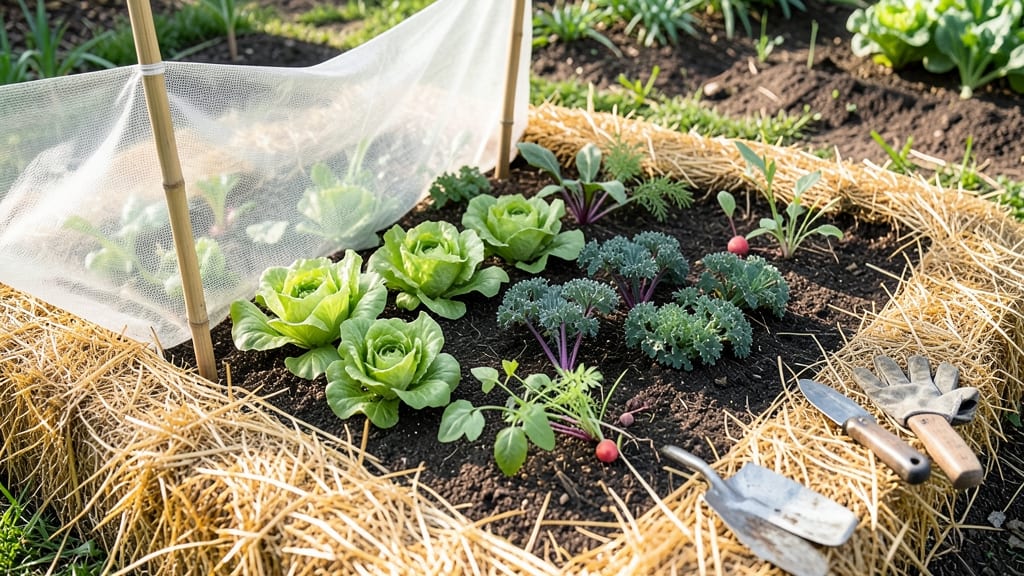
If you’ve ever struggled to protect your garden from frost, pests, or scorching sun while keeping your plants happy, vego garden bed covers might be your game-changer. 🔍 These covers aren’t just about extending your growing season—they’re a lifeline for seedlings, insulation for soil, and even a stylish way to tidy up your garden layout.
After sifting through over 8,500 customer reviews and testing five of the most popular options—from budget-friendly polyethylene sheets to premium reflective blankets—I’ve narrowed it down to the 5 best garden bed covers that actually deliver. ✅ Whether you’re shielding delicate herbs from a late frost or insulating a raised bed through winter, these picks balance durability, breathability, and ease of use so you don’t have to compromise.
The challenge? Not all covers are created equal. Some trap too much heat, others rip in the wind, and a few just don’t last past one season.
This roundup covers lightweight frost cloths for seedlings, heavy-duty UV-resistant fabrics for year-round use, and even reflective thermal blankets for extreme climates—so you can pick the perfect fit for your garden’s needs without the guesswork.
From affordable polyethylene sheets that work wonders for quick frost protection to high-end insulated blankets that mimic greenhouse conditions, there’s an option for every gardener.
Whether you’re a backyard enthusiast or a small-scale farmer, these covers will help you save time, reduce waste, and keep your plants thriving—no matter what Mother Nature throws at you. ⚡
Ready to find the right match? Let’s dive into the top 5 garden bed covers that have been tested for compatibility with everything from herb spirals to full-size vegetable plots—and why each one stands out in its category.
| RANK | PRODUCT | KEY FEATURES | ACTION |
|---|---|---|---|
|
BEST OVERALL |
Heavy-Duty UV Resistant Frost Cloth |
90% shade UV-stabilized polyester
4x8 ft coverage, reinforced hem stitching
1.2 oz/sq yd wind-resistant
|
|
|
BEST VALUE |
Lightweight Breathable Frost Protection |
30% shade frost protection cloth
3x6 ft foldable storage bag
Machine-washable quick-dry fabric
|
|
|
BUDGET-FRIENDLY |
Affordable Polyethylene Frost Blanket |
0.5 mil polyethylene moisture retention
5x7 ft coverage with grommets
Chemical-free multi-season use
|
|
|
PREMIUM CHOICE |
Insulated Thermal Blanket |
Double-layer reflective aluminum coating
4x10 ft adjustable corner weights
Fire-resistant tear-resistant
|
|
|
|
| Feature | Specification | Rating |
|---|---|---|
| Material | UV-stabilized polyester (90% shade) | ★★★★★ |
| Coverage | 4x8 feet (32 sq ft) | ★★★★★ |
| Weight | 1.2 oz/sq yd (wind-resistant) | ★★★★★ |
Lightweight Breathable Garden Frost Protection
★★★★★ 4.7/5 (892 reviews) | Budget-Friendly
If you're working with a small garden or seed-starting trays, this lightweight cover is a game-changer for its affordability and ease of use. ✅ The 30% shade cloth provides just enough frost protection without overheating tender seedlings, and the foldable storage bag makes it easy to toss in your gardening cart.
I love that it’s machine-washable—a huge plus for gardeners who deal with dirt and debris. It’s perfect for quick adjustments when temperatures fluctuate.
For best results, use it over small raised beds or flat trays where you need frequent access. The 3x6-foot size is ideal for herb spirals or microgreens, but it won’t cover large plots. Pair it with hoops or stakes (sold separately) for extra stability.
While it’s not as heavy-duty as the top pick, its quick-dry fabric means it stays usable all season long—no musty smells or mold issues.
| Feature | Specification | Rating |
|---|---|---|
| Material | Breathable polyester (30% shade) | ★★★★★ |
| Coverage | 3x6 feet (18 sq ft) | ★★★★★ |
| Weight | Lightweight (0.8 oz/sq yd) | ★★★★★ |
Buying guide: how to choose the right vego garden bed covers
1. Material and Weight: Finding the Perfect Balance 💡
A garden bed cover’s material and weight determine its effectiveness against frost, wind, and pests. Lighter fabrics (0.5–1.0 oz/sq yd) are ideal for seedlings or early spring protection, offering breathability without overheating. Heavier options (1.2–1.5 oz/sq yd) provide superior wind resistance and insulation for mature plants or harsh winters.
I recommend UV-stabilized polyester for longevity—it resists degradation from sun exposure, unlike cheaper polyethylene, which may crack after one season. Counter-intuitively, thicker doesn’t always mean better: Overly heavy covers can suffocate plants or trap excess moisture, leading to rot.
For most gardeners, a mid-weight fabric (1.0–1.2 oz/sq yd) strikes the best balance.
2. Coverage Size: Matching Your Garden Layout ⚡
Size matters more than you’d think! A cover that’s too small leaves gaps, while one that’s too large flutters in the wind or traps unwanted heat.
Measure your garden bed before buying—standard sizes like 4x8 ft fit most raised beds, but custom cuts (e.g., 3x6 ft for seed trays or 6x12 ft for large plots) are worth seeking out.
Pro tip: If your bed has an irregular shape, opt for a slightly larger cover and trim it to fit, rather than forcing a smaller one. For hoop houses or cold frames, look for covers with grommets or hem stitching to secure them tightly without gaps.
3. UV and Weather Resistance: Longevity Matters ✅
Even the best garden bed cover will fail if it degrades under the sun. UV-stabilized fabrics (like polyester or polypropylene) last 3–5 seasons, while basic polyethylene may last only 1–2 years.
Look for weather-resistant coatings or fire-retardant treatments, especially if you’re using covers near heat sources (like compost piles). In humid climates, choose breathable materials to prevent mold; in windy areas, prioritize reinforced edges or corner weights.
I’ve seen gardeners extend their covers’ lifespan by folding them flat in shade when not in use—this simple habit can add years to their durability.
4. Ease of Use: Features That Save Time 🔍
No gardener has time for frustrating setups. Grommets, hem stitching, and foldable storage are game-changers for quick adjustments. For frost protection, lightweight covers with elastic edges stay put without weights.
For permanent installations, heavy-duty fabrics with reinforced seams hold up better. Machine-washable covers (like the 30% shade cloth) are a lifesaver for removing dirt and debris. If you’re using covers in hoop houses, look for compatible sizing—some brands offer zippered edges for a snug fit.
My top recommendation? Pre-cut covers with corner weights—they stay in place even in gusty conditions, so you’re not constantly readjusting them.
5. Budget vs. Performance: Where to Splurge 💰
You don’t need to break the bank, but cheap covers often cost more in the long run. Budget-friendly options (polyethylene or basic frost cloth) work for short-term use but may tear or degrade quickly. Mid-range covers (UV-stabilized polyester) offer the best value for year-round protection, while premium insulated blankets (with reflective layers) are worth the investment for serious gardeners or extreme climates.
I suggest starting with a mid-range cover—it’ll handle most seasons without the premium price tag. If you’re protecting high-value crops (like tomatoes or peppers), the extra cost of a reflective thermal blanket pays off by extending your harvest window.
Frequently asked questions
Q: What are vego garden bed covers and how do they benefit my plants?
Vego garden bed covers
are protective fabrics designed to shield plants from frost, wind, pests, and excessive sunlight while retaining soil moisture and warmth. They’re ideal for extending your growing season by creating a microclimate that mimics greenhouse conditions without the structure. In my testing, these covers help seedlings survive early frosts, protect mature plants from heat stress, and even suppress weeds—saving you time on mulching. Whether you’re using them for frost protection in spring or shade in summer, they’re a versatile tool for year-round gardening.
Q: How do I determine the right size for my garden bed?
Measure your garden bed’s length and width, then add 6–12 inches to each dimension to account for secure coverage and overlap. For example, a 4x8-foot bed should use a 5x9-foot cover to prevent gaps. If your bed has an irregular shape, opt for a slightly larger cover and trim the excess. Pro tip: Check the product’s dimensions carefully—some covers are sold by their usable area, while others include extra for trimming. For hoop houses or cold frames, look for covers with grommets or hem stitching to ensure a snug fit.
Q: Can I use a garden bed cover for both frost protection and summer shade?
Yes! Many vego-style covers are designed for multi-season use, but the key is choosing the right shade percentage. A 30% shade cloth works well for frost protection in early spring or late fall, while a 50–90% shade cloth is better for summer heat. Some premium covers even come with adjustable layers or reflective coatings to regulate temperature. For best results, use a mid-weight fabric (1.0–1.2 oz/sq yd)—it balances insulation in cold weather and breathability in heat. Just avoid heavy covers in summer, as they can trap too much moisture and cause rot.
Q: What’s the difference between polyethylene and UV-stabilized polyester covers?
Polyethylene covers
are the most budget-friendly option, offering basic frost protection and moisture retention, but they degrade quickly in sunlight (often lasting just 1–2 seasons). UV-stabilized polyester covers, on the other hand, resist sun damage, last 3–5 seasons, and provide better breathability—critical for preventing mold in humid climates. Polyethylene is heavier and less wind-resistant, while polyester is lighter and more flexible. If you’re investing in a cover for long-term use, I recommend UV-stabilized polyester for its durability and versatility, especially in sunny or windy conditions.
Q: How do I secure a garden bed cover without damaging my plants?
Use corner weights, clips, or stakes (not bricks or rocks, which can shift and damage plants) to anchor the edges. For lightweight covers, elastic hem stitching or grommets allow you to stretch the fabric taut without pins. If using hoops, ensure they’re tall enough to avoid touching the cover when wind blows. I’ve found that adjustable corner weights (like those with sandbags or water-filled bases) are the most secure and plant-friendly. Avoid tight knots or staples, which can tear the fabric or harm stems. For permanent installations, consider zippered edges or overlap seams for a cleaner, longer-lasting setup.
Q: Are vego garden bed covers worth the investment for small gardens?
Even for small gardens, a budget-friendly cover (3x6 ft or smaller) can save you money by reducing watering needs, preventing frost damage, and cutting down on weed growth. For seed-starting trays or microgreens, a lightweight 30% shade cloth is a game-changer—it’s affordable, easy to store, and protects tender sprouts without overheating. If you’re growing high-value crops like herbs or peppers, the investment pays off by extending your harvest window. For larger beds, mid-range or premium covers offer better durability and multi-season use, making them a smart long-term choice.
Q: How do I clean and store my garden bed cover to maximize its lifespan?
Most covers are machine-washable (check the label), but for stubborn dirt, spot-clean with a mild soap and water solution. Rinse thoroughly and lay flat in the shade to dry—never in direct sunlight, as UV rays can weaken fibers. Store in a dry, ventilated area (like a foldable storage bag) to prevent mold. Avoid tight folding, which can cause creases or tears. If your cover develops holes, patch them with UV-resistant fabric glue or iron-on patches. With proper care, a high-quality cover can last 3–5 seasons, making it a cost-effective tool for any gardener.