
Plants
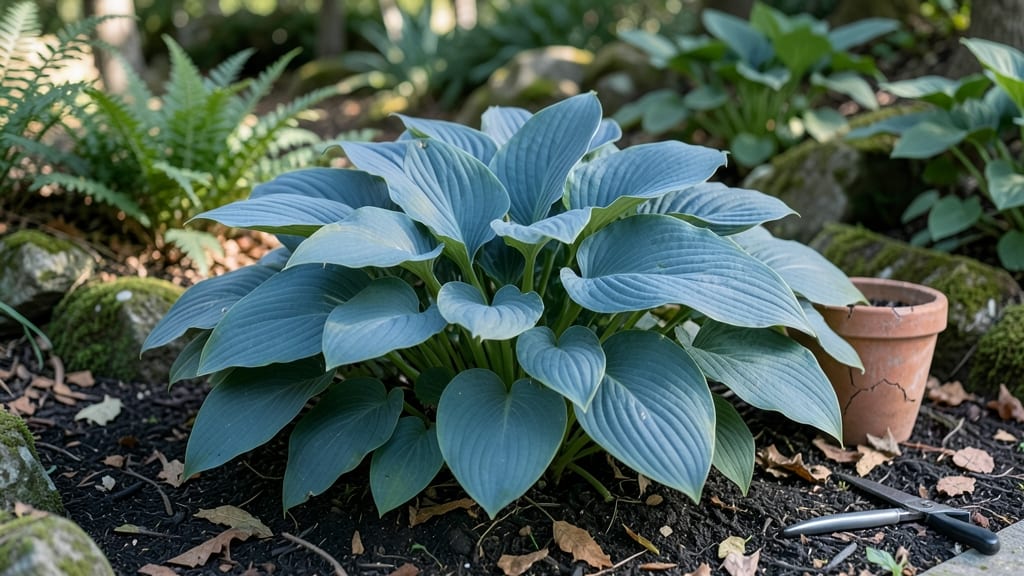
Mastering perennial plant identification by leaf pictures can spare you the heartache of my first garden—where mislabeled plants flopped despite my best efforts. 🌿 The trick is focusing on three key features: leaf shape (lobed, pointed, or rounded?), edges (smooth, serrated, or wavy?), and veins (prominent or faint?).
Once you train your eye, you’ll spot hostas with their broad, heart-shaped leaves or lavender’s slender, fuzzy foliage instantly.
Start with common perennials like coneflowers (deeply lobed leaves) or sedum (thick, succulent-like leaves) to build your visual library. Grab a magnifying glass for close-ups or snap clear photos in good light—apps like PlantNet can help cross-check your observations.
The goal isn’t memorization; it’s learning to read nature’s clues like a pro.
Accurate identification means you’ll water, fertilize, and prune each plant just right—no more overwatering drought-tolerant lavender or deadheading the wrong flowers. Within a season, you’ll notice how hostas thrive in shade while yarrow begs for full sun, and your garden will run like a well-oiled machine.
This method works year-round, whether you’re troubleshooting a mystery plant in spring or planning next year’s beds. No more guessing—just confident gardening based on what you see. Let’s get those leaves under the microscope!
The Science Behind Leaf Confusion
Identifying perennials by leaf pictures can be tricky because leaves are highly variable—even within the same species. Several scientific and environmental factors influence why leaves may look different from what you expect in a guide.
Understanding these causes helps you accurately match leaves to plants, avoiding misidentifications. Here’s why leaf appearances can differ so much:
Not all plants of the same species look identical. This is due to genetic diversity, where slight differences in DNA lead to variations in leaf shape, size, color, or texture. For example:
- Cultivar differences: Some perennials, like Hosta or Heuchera, have cultivated varieties with distinct leaf patterns (e.g., variegation, deep lobes, or unique pigmentation). A solid-green Hosta leaf won’t match a blue-green or gold-edged cultivar.
- Hybrids and natural mutations: Cross-pollination or spontaneous mutations can create "sport" plants with unexpected traits. A Lavender plant might sprout a branch with purple instead of green leaves due to a genetic quirk.
Actionable tip: When using leaf guides, check if the image specifies a cultivar name or notes "common variations." If not, compare multiple sources to account for natural diversity.
Leaves react to their surroundings like a living canvas. Stress from light, water, temperature, or soil conditions can dramatically change their look:
| Factor | Effect on Leaves | Example |
|---|---|---|
| ✅ Sun Exposure | Leaves may develop thicker cuticles, darker green pigment, or smaller size (sun adaptation). | A Sedum in full sun might have blue-gray leaves, while the same plant in shade stays green. |
| 💧 Water Stress | Drought causes curling, yellowing (chlorosis), or reduced size. Overwatering can lead to soft, pale leaves. | A Salvia leaf wilting and turning yellow in dry soil won’t match a healthy, glossy reference photo. |
| ❄️ Temperature Fluctuations | Cold snaps can cause purpling (anthocyanin buildup) or scorching (brown edges). Heat waves may bleach or crisp leaves. | Early frost on Astilbe turns leaves rust-colored—far from their usual lush green. |
| 🌿 Soil Nutrients | Deficiencies (e.g., iron, magnesium) cause yellowing between veins (chlorosis). Excess salts or poor drainage can stunt growth. | A Bleeding Heart (Dicentra) with yellow leaves might be iron-deficient, not a different species. |
Actionable tip: Note the growing conditions in reference photos. If your plant is in a different environment (e.g., shade vs. sun), account for these changes before ruling out a match.
Damaged leaves can look like entirely different plants. Pests and pathogens often leave distinctive marks that might confuse identifiers:
- Insect damage:
- Chewing insects (e.g., caterpillars, slugs) create irregular holes or notched edges.
- Sap-suckers (e.g., aphids, spider mites) cause stippling (tiny white/yellow dots) or yellowing.
- Fungal/bacterial infections:
- Powdery mildew coats leaves in white/gray fuzz.
- Leaf spot creates dark, water-soaked patches.
- Rust produces orange pustules on undersides.
- Viruses: Cause mosaic patterns (light/dark green patches) or stunted growth.
Actionable tip: Look for patterns of damage (e.g., holes vs. spots). Healthy leaves in guides won’t show these issues—compare undamaged parts of your plant to reference photos.
By recognizing these natural and environmental influences, you’ll sharpen your ability to accurately identify perennials—even when leaves don’t match the "perfect" picture. Next, we’ll explore how to compare leaves like a pro to narrow down your options!
Quick Fixes for Leafy ID Confusion
Got stuck trying to match leaves to perennials? Don’t stress—here’s how to solve common identification roadblocks with practical, step-by-step fixes.
Problem: Two plants share the same leaf shape, texture, or color, making it hard to tell them apart. Solution: Focus on these hidden details that set them apart:
- 🌿 Leaf Arrangement: Check if leaves grow in spirals (like hostas), opposite pairs (mint family), or whorls (e.g., aloe). - 💧 Vein Patterns: Are veins parallel (grasses, irises) or netted (most broadleaf perennials)? - 🌱 Stem & Habitat: Woody stems = shrubs; herbaceous = perennials.
Note if the plant thrives in shade (e.g., ferns) or sun (e.g., sedum).
Prevention Tip: 💡 Take close-ups of the base, stems, and flowers too—these often break ties in ID puzzles.
Problem: Your phone pic is too dark, pixelated, or cropped wrong. Solution: Follow this 3-step shoot for crystal-clear leaf shots:
- 🔥 Lighting: Shoot in natural light (avoid midday sun). Angle the leaf away from harsh shadows.
- 👨🍳 Composition: Fill the frame with the entire leaf—include the stem and a bit of the plant’s structure.
- 📏 Scale Reference: Hold a coin or ruler next to the leaf for size context (e.g., "leaf is 3x wider than a quarter").
Pro Tip: ✨ Use a white background (like a sheet) to highlight colors and textures.
Problem: The plant isn’t flowering, so you’re left guessing based on leaves alone. Solution: Use a seasonal checklist to narrow it down:
| Season | What to Look For | Example Plants |
|---|---|---|
| Spring | New growth, buds, early blooms | Bleeding heart, lungwort |
| Summer | Seed heads, mature leaves, flowers | Coneflowers, black-eyed susans |
| Fall | Color changes, seed pods | Japanese anemone, asters |
| Winter | Dormant stems, evergreen leaves | Hellebores, boxwood |
Prevention Tip: 🌡️ Take notes year-round—jot down leaf shape and when flowers appear.
Problem: Two plants look identical until you zoom in. Solution: Compare these touch-and-smell tests:
- 👃 Scent: Mint = aromatic; lamb’s ear = woolly but scentless.
- 🧵 Texture: Rub the leaf—is it fuzzy (lamb’s ear), smooth (hosta), or hairy (stachys)?
- 🌱 Growth Habit: Does it spread via runners (mint) or stay clumped (lamb’s ear)?
Quick Fix Table:
Plant
Leaf Feel
Scent
Spreads?
Mint
Smooth to slightly rough
Strong aroma
Yes (aggressively!)
Lamb’s Ear
Velvety-fuzzy
None
Slow, clumping
Problem: Your leaf doesn’t fit any database results. Solution: Try these wildcard strategies:
- 🔄 Reverse Search: Upload the leaf pic to Google Lens or PlantNet—sometimes obscure species pop up.
- 📖 Regional Guides: Check local nursery catalogs or native plant societies (e.g., "Pacific Northwest perennials").
- 🌍 Hybrid Clues: Note if the plant might be a cultivar (e.g., "Hosta ‘Blue Angel’"—search for parent species).
Prevention Tip: 🎯 Bookmark a few apps (PictureThis, iNaturalist) and cross-reference results.
If all else fails:
- List 3-5 likely suspects based on your observations.
- Compare their full life cycle (e.g., does one die back in winter?).
- Test in your garden: Plant a small sample or consult a local botanist.
Remember: ⏰ Perennials take time—observe for a season before giving up!
Frequently asked questions
Why do some perennials have leaves that look completely different from reference photos?
Leaves change based on genetics (cultivar variations), environment (sun vs. shade), and stress (drought, pests). A Hosta in full sun might develop thicker, darker leaves than one in shade. Always check growing conditions in reference images before ruling out a match.
What’s the best way to photograph leaves for accurate identification?
Use natural light, include the entire leaf + stem, and add a scale reference (like a coin). Avoid midday sun and crop tightly—apps like PlantNet need clear details. A white background also highlights texture and color.
Can I identify perennials by leaves alone, or do I need flowers?
Leaves are a great start, but flowers/seeds often provide final clues. For example, Coneflowers have deeply lobed leaves, but their daisy-like blooms confirm the ID. Use seasonal checklists—spring buds vs. summer seed heads—to narrow it down.
What if my leaf doesn’t match any database results?
Try reverse image search (Google Lens), check regional plant guides, or consider hybrids/cultivars. Note if the plant might be a new variety—some nurseries sell unique perennials not yet in databases.
How do I tell apart similar-looking perennials like mint vs. lamb’s ear?
Use texture (mint = smooth; lamb’s ear = fuzzy) and scent (mint = aromatic; lamb’s ear = none). Also check growth habits—mint spreads aggressively via runners, while lamb’s ear stays clumped.