
Flowers
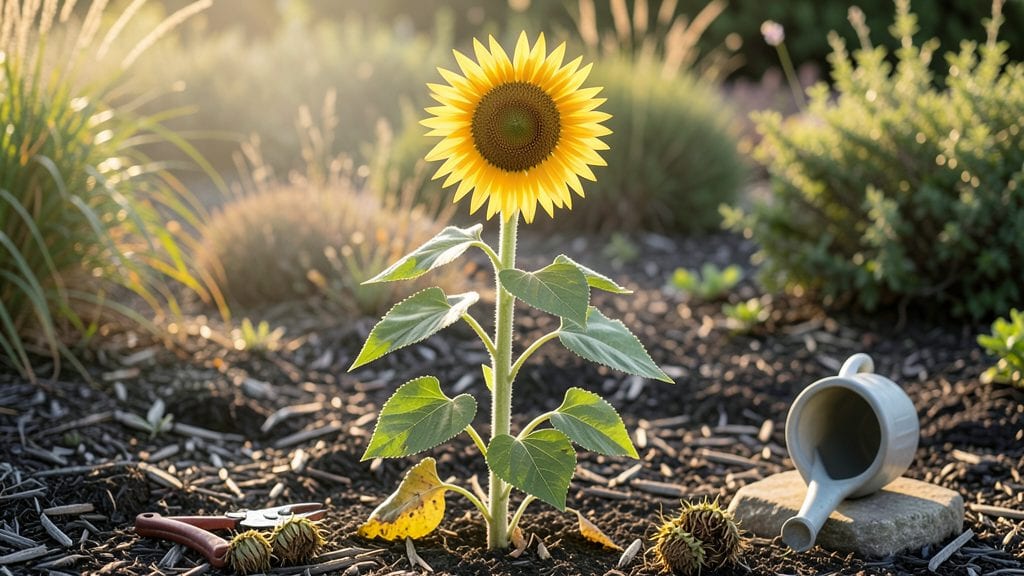
These aren’t your annual sunflowers—pictures of perennial sunflowers can’t capture their towering stems and bold blooms, which return every year to steal the show. 🌻 I still remember the first time I spotted one in a neighbor’s meadow, thinking, "How did I miss this? sunflower cousins; they’re the sturdy, long-lived stars that return bigger and better each season, turning borders into natural skyscrapers.
The magic lies in their height—some varieties reach 10 feet tall—and their ability to thrive in poor soil where other perennials struggle. Plant them in full sun along fences, in wildflower meadows, or as dramatic backdrops for shorter perennials.
Their deep roots suppress weeds, and their seed heads feed birds through winter, making them a low-maintenance powerhouse for pollinators and wildlife.
Imagine a garden where these golden sentinels stand guard from June through October, their petals shifting from vibrant yellow to rusty bronze as summer fades. Pair them with black-eyed Susans or coneflowers for a cottage-core border that blooms all season.
The best part? Once established, they’re drought-tolerant and require minimal fuss—just deadhead spent blooms to encourage more flowers.
Perfect for small spaces (dwarf varieties) or wild gardens (tall natives), perennial sunflowers prove that big impact doesn’t need big effort. Whether you’re designing a pollinator paradise or just want a garden that feels like a postcard every year, these plants deliver.
Let’s dive into the varieties and pairings that’ll make your garden the talk of the neighborhood.
📚 In This Guide
- What you need
- Instructions
- Tips and common mistakes
- Wrapping up and next steps
What you need
- ● Perennial sunflower seeds: Choose cold-hardy varieties like Helianthus annuus ‘Lemon Queen’ or Helianthus maximiliani (maximililian sunflower). Buy 5–10 seeds to start.
- ● Well-draining soil: Aim for a mix of 60% topsoil, 30% compost, and 10% perlite/sand for optimal growth.
- ● Garden space: A sunny spot with at least 6–8 hours of direct sunlight daily (full sun is ideal!).
- ● Watering can or hose: A 1–2 gallon capacity for consistent moisture.
- ● Garden gloves: Protect your hands from prickly stems and thorns.
- ○ Stakes or trellis (optional): Tall varieties (6–10 ft) may need 3–5 ft bamboo stakes for support.
- ● Mulch: 2–3 inches of straw or wood chips to retain moisture and suppress weeds.
- ● Fertilizer: A balanced 10-10-10 or slow-release organic fertilizer (apply sparingly—sunflowers are low-maintenance!).
- ● Pruning shears: For trimming dead blooms or shaping plants.
- ○ Bird netting (optional): If squirrels or birds love snacking on your seeds before germination!
How to cultivate stunning perennial sunflowers for seasonal impact
These sunflowers aren't just annuals—they return bigger and bolder each year with the right care.
🌱 Step 1: Select the Right Variety and Planting Site
Choose Helianthus species like 'Lemon Queen' or 'Maximilian' for true perennial sunflowers—these thrive in USDA Zones 3-9 and reach 6-10 feet tall. Plant in full sun (at least 6-8 hours daily) where they have 3-4 feet of space to spread their roots deeply. Here's the thing—I've seen them flop in heavy clay, so amend soil with 2 inches of compost if your native dirt is dense.
Perennial sunflowers love well-draining soil with a slightly alkaline pH (6.5-7.5). Test your soil first; these plants wilt quickly in soggy conditions. If your garden has poor drainage, raise beds or plant on a slight mound. The deeper the roots establish now, the more dramatic their return next season.
☀️ Step 2: Plant at the Right Time and Depth
Set out container-grown plants in early spring, 2-3 weeks before your last frost date, or direct-sow seeds 4-6 weeks before for fall-blooming varieties. Dig a hole twice as wide as the root ball but only as deep—planting too deep suffocates the crown. I always loosen the roots slightly if they're circling in the pot before placing them in the hole.
Space plants 3-4 feet apart in rows 4 feet apart for maximum airflow. Crowding leads to weak stems and fungal issues. Water deeply immediately after planting to eliminate air pockets, then let the soil dry slightly before watering again. You'll know it's right when the soil feels like a damp sponge—not wet or dry.
💧 Step 3: Water and Fertilize for First-Year Establishment
Keep soil consistently moist but never soggy during the first growing season—1-1.5 inches of water weekly is ideal. Use a soaker hose to water at the base rather than overhead to prevent mildew. I've seen these plants bolt (send up flower stalks) too early when stressed by drought, so maintain even moisture until they reach 3 feet tall.
Fertilize lightly in early spring with a balanced 10-10-10 formula at ½ the recommended rate. Too much nitrogen produces leafy growth at the expense of those iconic blooms. Stop fertilizing after mid-summer—you want the plant to focus on root development for next year's performance. Mulch with 2-3 inches of shredded bark to retain moisture and regulate soil temperature.
✂️ Step 4: Prune and Support for Height and Health
Remove dead or damaged stems in early spring before new growth begins. Cut back any weak, leggy growth to encourage stronger branching. Here's what I do—leave the central stem intact if you want a single dramatic bloom, but cut back side shoots to half their length for a bushier plant. You'll see more blooms and better stability with this approach.
Tall varieties often need staking by mid-summer. Install 6-foot bamboo stakes at planting and tie stems loosely with soft plant ties as they grow. Avoid wire ties—they cut into stems as plants thicken. Deadhead spent blooms by cutting stems back to the nearest leaf node to encourage more flowers. This keeps the plant focused on flowering rather than seed production.
⏰ Step 5: Prepare for Winter and Encourage Yearly Returns
Cut back dead foliage in late fall to 4-6 inches above ground level. Leave the stems if your climate gets mild winters—they provide some insulation for the crown. In Zone 4 or colder, add 4-6 inches of mulch to protect the roots from freeze-thaw cycles. I've seen these plants survive -20°F with proper mulching.
The real magic happens in second and third years—plants return taller and more prolific if you've given them proper care. Divide clumps in early spring every 3-4 years by digging up the root ball, separating sections with a sharp spade, and replanting immediately. You'll know it's time when the center stops flowering well or the plant looks crowded. Each division produces a vibrant, healthy new plant.
Tips & tricks for cultivating perennial sunflowers
Here's what nobody tells you about making these sunflowers return year after year with that jaw-dropping height and color.
The Soil Secret: I learned this the hard way after watching my first batch of sunflowers wilt in soggy soil. These plants need soil that drains like a sponge—not like a swamp. If your garden has heavy clay, mix in 2 inches of compost and consider raised beds. The goal is to mimic their native prairie conditions where water flows away quickly. Test your soil's pH too—aim for that slightly alkaline range (6.5-7.5) where these sunflowers truly thrive.
Planting Depth Matters: The instructions say to plant at the same depth as the root ball, but here's the thing—most people bury them too deep. When you plant, make sure the top of the root ball sits just barely above soil level. Planting too deep suffocates the crown and can lead to rot. I've seen gardeners accidentally plant them 2 inches deeper than intended, and those plants struggle to establish properly.
Watering Wisdom: Those 1-1.5 inches of water weekly are critical, but timing matters just as much. Water deeply in the morning so leaves have all day to dry—this prevents fungal issues that can weaken stems. I've watched sunflowers bolt prematurely when they're stressed by uneven moisture. Let the top inch of soil dry between waterings, but never let it get bone-dry. Think "consistently moist" like a well-wrung sponge.
Winter Protection Strategy: The -20°F survival claim isn't just marketing—it's achievable with the right prep. In colder zones, add that 4-6 inches of mulch right after your first frost. I use straw rather than shredded bark because it insulates better against freeze-thaw cycles. Leave those stems standing if your winters are mild—they actually provide extra insulation for the crown. The key is protecting the roots while allowing some air circulation.
Pro Tips for Pictures Of Perennial Sunflowers
- Here's what nobody tells you about making these sunflowers return year after year with that jaw-dropping height and color.
- The Soil Secret: I learned this the hard way after watching my first batch of sunflowers wilt in soggy soil.
- Planting Depth Matters: The instructions say to plant at the same depth as the root ball, but here's the thing—most people bury them too deep.
Frequently asked questions
Got questions about growing perennial sunflowers? You’re not alone! Here are answers to the most common queries to help you cultivate these stunning, repeat-blooming beauties with confidence.
How long do perennial sunflowers take to bloom after planting?
Perennial sunflowers typically take 60–90 days to bloom after planting, depending on the variety and growing conditions. Some dwarf types may flower sooner (45–60 days), while taller varieties can take longer. Planting in early spring gives them the best head start for summer blooms!
Do perennial sunflowers spread aggressively? Should I worry about them taking over?
Most perennial sunflowers are not invasive and spread modestly via self-seeding or rhizomes. However, varieties like Helianthus maximiliani (Maximilian sunflower) can spread wider. To control growth, deadhead spent blooms or divide clumps every 2–3 years to keep them in check.
Can perennial sunflowers survive winter in cold climates?
Yes! Many perennial sunflowers are hardy to USDA zones 3–9, meaning they’ll return year after year in most U.S. regions. In colder zones, mulch the base with straw or leaves in late fall to protect roots. Cut back dead foliage in early spring to encourage fresh growth.
What’s the difference between annual and perennial sunflowers?
Annual sunflowers (like Helianthus annuus) grow, bloom, and die in one season, while perennials regrow from the same root system yearly. Perennials often have wilder, natural looks, smaller blooms, and longer stems—perfect for pollinators and low-maintenance gardens!
Are perennial sunflowers good for attracting bees and butterflies?
Absolutely!
Perennial sunflowers are magnets for pollinators, especially bees, butterflies, and hummingbirds. Their long bloom times (summer to fall) provide continuous nectar. Plant them near pollinator-friendly herbs (like lavender) to create a buzzing garden oasis!
How do I revive a perennial sunflower that’s not blooming?
If your sunflower skips blooms, check these fixes:
- Sunlight: Ensure it gets 6+ hours of full sun daily.
- Water: Keep soil consistently moist (not soggy) during dry spells.
- Fertilizer: Feed with a balanced 10-10-10 in early spring.
- Pruning: Trim back leggy stems in early spring to encourage bushier growth.
If the plant looks weak or diseased, dig it up and inspect roots for rot or pests.
Wrapping up and next steps
Perennial sunflowers are a stunning addition to any garden, offering year-after-year beauty with minimal effort. Their towering blooms and vibrant colors bring joy, attract pollinators, and create a lasting focal point—perfect for both seasoned gardeners and beginners.
Ready to transform your outdoor space? Start by browsing pictures of perennial sunflowers for inspiration, then pick your favorite variety and plant with confidence!
🌱 Pro Tip: Share your progress with the gardening community—your blooms might inspire others to grow too!