
How To
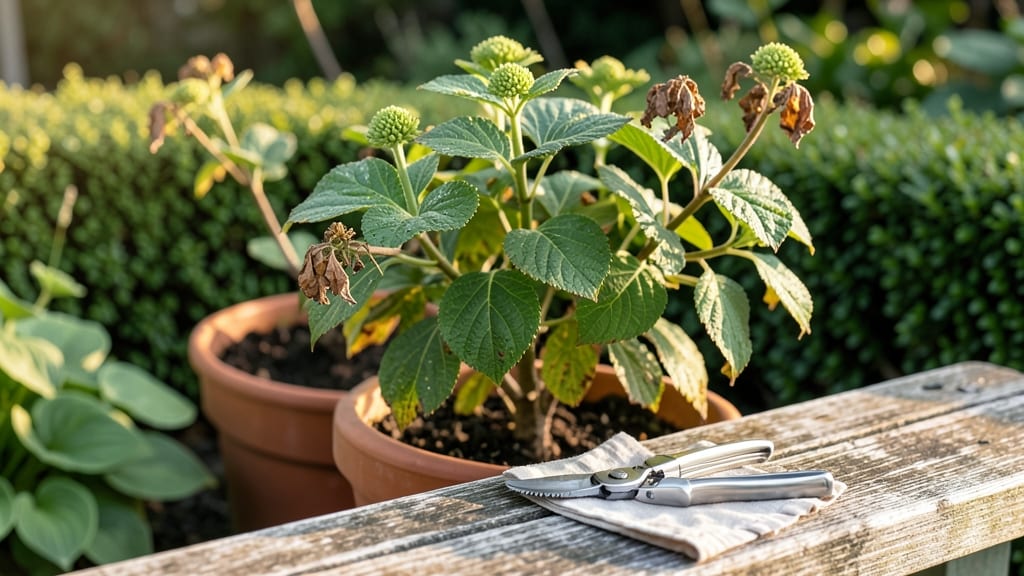
Trimming perennials at the right time is the difference between a garden that thrives and one that struggles—like shaping a living sculpture instead of hacking away at it blindly.
Picture this: You’ve spent all winter dreaming of your 🌿 coneflowers bursting with color, only to find them looking ragged by summer because you trimmed too late—or too early. That’s the frustration I’m here to fix.
Seasonal timing isn’t just about aesthetics; it’s about plant health. Cut back in late winter, and you’ll encourage fresh growth before pests wake up. Wait until fall, and you might leave your perennials vulnerable to frost damage.
This guide cuts through the guesswork with the exact windows for trimming by plant type and growth stage.
Whether you’re dealing with hostas that need minimal pruning or coneflowers that demand a clean-up, you’ll learn when to reach for the shears—and when to leave them in the shed.
Seasonal trimming timeline for perennials: when to prune by month
Pruning perennials at the right time ensures vibrant blooms, healthier foliage, and longer lifespan. Unlike annuals, perennials store energy underground, so timing matters—cut too early, and you risk stunting next year’s growth.
My month-by-month guide covers everything from early spring deadheading to late fall cleanup, with climate-specific tweaks for tropical vs. temperate zones.
For temperate climates (USDA Zones 3–8), follow the frost-free timeline below. In tropical climates (Zones 9–11), prune when plants show signs of stress or after heavy rains, typically in late summer or early fall. Always use sterilized shears to prevent disease spread.
Here’s the exact timeline for trimming perennials by month, including plant-specific exceptions like hostas (never prune!) and coneflowers (cut back in late winter).
In March, focus on early spring pruning for woody-stemmed perennials like coneflowers and black-eyed Susans. Cut back by 1/3 when new shoots reach 3–4 inches. This jumpstarts growth while avoiding frost damage to tender stems.
By April, shift to deadheading for <
How to tell when your perennial needs trimming (growth stage clues)
Not all perennials follow the same rules when it comes to trimming. Some, like hostas, barely need pruning at all—just a light tidy-up in spring—while others, like coneflowers, practically beg for a drastic haircut after blooming.
The key is learning your plant’s natural growth cycle and spotting the visual cues that scream, "It’s time!"
Start by examining the foliage texture. Healthy leaves should feel firm and vibrant, not mushy or yellowing. If your perennial’s growth looks crowded or leggy, it’s likely overdue for a trim.
For example, black-eyed Susans develop woody stems by late summer—this is your signal to cut them back by one-third to encourage fresh, bushier growth next year.
Next, check for post-bloom signals. Many perennials, such as bee balm or shasta daisies, send up seed heads after flowering. These are nature’s way of saying, "I’ve done my job—now it’s your turn to clean up!"
Removing spent blooms redirects energy to next year’s flowers instead of seed production.
Don’t ignore dormant phases either. In late fall, perennials like sedum or Russian sage go dormant, and their foliage turns crispy or brown.
This is your cue to trim back dead stems to the ground, but only after the first frost—cutting too early can expose tender new growth to cold damage.
When to Trim Perennials: Pros & Cons by Growth Stage
- Encourages new growth before pests emerge
- Removes winter-damaged foliage
- Ideal for tender perennials like hostas
- Can stimulate growth too early in cold climates
- Misses post-bloom cleanup for seed heads
- Prevents seed spread and redirects energy
- Improves airflow, reducing fungal risks
- Enhances next year’s blooms for perennials like coneflowers
- Over-trimming can weaken woody stems
- May remove beneficial seed heads for wildlife
- Prevents disease overwintering in dead foliage
- Neatens garden beds for spring
- Safe for hardy perennials like lavender
- Cutting too early risks frost damage
- Misses early spring pruning for tender varieties
Pay attention to the plant’s natural shape. If your salvia or catmint looks like it’s growing in all directions, it’s time to shape it up. Use your fingers to gently bend stems—if they snap easily, they’re ready for a trim.
For grasses like ornamental wheat, wait until they’ve fully matured and turned golden before cutting back to 3–4 inches tall to preserve their winter interest.
Finally, trust your tactile instincts. Run your hand over the foliage—if it feels dry and brittle, it’s likely dead and safe to remove. But if it’s still plump and green, hold off.
For example, heuchera leaves can stay put all year; only trim away yellowed or damaged leaves in early spring. The goal? Balance aesthetics with plant health.
Remember, every perennial has its own personality. Observe yours for a season, and you’ll start recognizing the subtle cues that say, "It’s time to reach for the shears." 🌿✂️