
Flowers
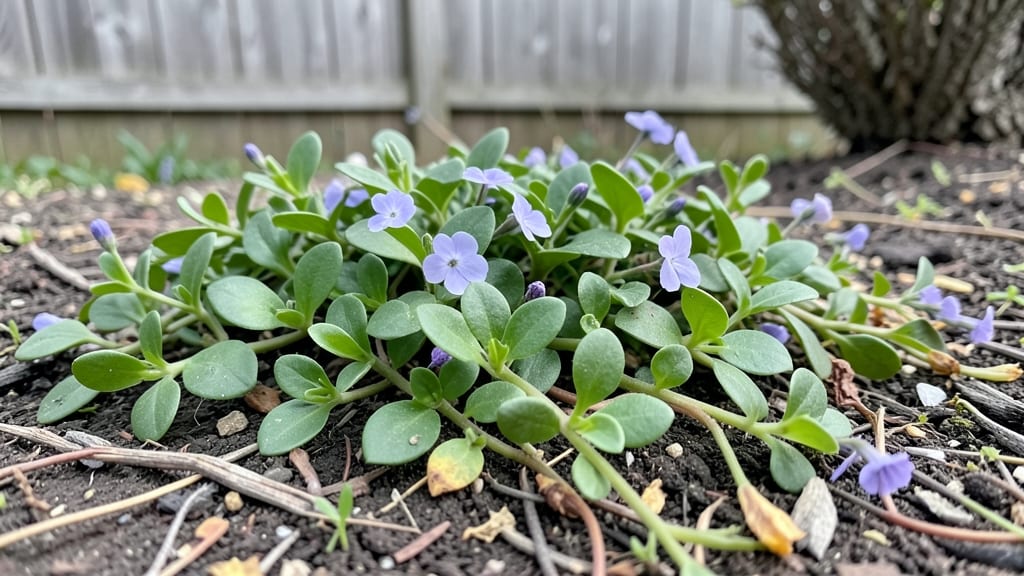
Perennial periwinkle ground cover transforms shady spots into lush, low-maintenance carpets that stay green all year. 💚 I’ll never forget the first time I saw my shady yard come alive with its glossy leaves and delicate purple blooms—it was like magic for problem areas.
The secret lies in its cold-hardy nature and relentless spreading habit, which means fewer weeds and more color without the fuss of annuals.
This plant thrives in partial to full shade, tolerates poor soil, and spreads steadily through runners—no digging required. You’ll need basic tools: gloves, a trowel, and maybe a few cuttings from a local nursery.
Once established, it handles drought surprisingly well, though consistent moisture helps it spread faster in the first year. The best part? It chokes out weeds naturally, so your lawn care to-do list just got shorter.
Within two growing seasons, you’ll have a dense, weed-free ground cover that stays vibrant even in winter. The deep green leaves create a stunning contrast with spring bulbs or hostas, while the occasional purple flowers add a delicate touch.
Plus, it’s deer-resistant, which is a bonus if you’re dealing with hungry critters in your yard. Ready to turn that shady corner into a showstopper?
Works equally well under trees, along slopes, or as a border—just avoid areas where foot traffic might damage the foliage. Here’s how to get started without the overwhelm, so you can enjoy the results faster than you think.
📚 In This Guide
- What you need
- Instructions
- Tips and common mistakes
- Wrapping up and next steps
What you need
- ● Perennial periwinkle plants: 10–20 Vinca minor plants (for 100 sq ft coverage; spacing ~12–18" apart)
- ● OR 1 lb of seeds (if starting from scratch; germination can be slow)
- ● Soil amendments: 2–3 bags (20 lb each) of compost or well-rotted manure (to improve drainage and fertility)
- ● Mulch: 1–2 bags (2 cu ft each) of pine straw or shredded bark (to retain moisture and suppress weeds)
- ● Garden gloves: 1 pair (heavy-duty for handling soil/roots)
- ● Watering can or hose: With a gentle spray nozzle (periwinkle dislikes soggy soil)
- ● Hand trowel or transplant spade: For digging small holes (6" deep)
- ● Garden rake: To level soil and remove debris
- ● Measuring tape or ruler: For spacing plants evenly (aim for 12–18" apart)
- ○ Pruners (optional but helpful): For trimming leggy stems post-planting
- ● Sunlight: Partial shade to full sun (3–6 hours of sunlight daily; tolerates shade but may grow slower)
- ● Soil type: Well-draining, slightly acidic to neutral pH (6.0–7.0)
- ● Climate: USDA Zones 3–9 (cold-hardy and drought-tolerant once established)
- ● Timing: Plant in early spring or fall (avoid extreme heat or frost)
- ● Slow-release fertilizer (10-10-10, 1 lb per 100 sq ft)
- ● Edging stones or metal landscape fabric (to contain spread)
- ● Organic weed barrier cloth (if weeds are a persistent issue)
- ● Mulch volcano guard (to keep mulch away from plant crowns)
Step-by-Step guide to planting and establishing periwinkle ground cover
Here’s my foolproof method for creating a lush, low-maintenance periwinkle carpet that thrives year-round.
🌱 Step 1: Prepare the Soil for Optimal Growth
Periwinkle loves well-draining soil but won’t tolerate soggy roots. Test your soil first—if it’s heavy clay, mix in 2-3 inches of compost and 1 inch of coarse sand per square foot to improve drainage. I like to spread the compost evenly and work it into the top 6 inches of soil with a garden fork.
For acidic soil (pH below 6.0), sprinkle 1 pound of lime per 100 square feet and till it in. Periwinkle prefers slightly acidic to neutral soil (6.0-7.0). Once prepped, rake the surface smooth—this prevents water from pooling and gives roots a clean start.
🪴 Step 2: Plant Periwinkle Cuttings or Plugs
If using bare-root cuttings, soak them in water for 1-2 hours before planting to rehydrate. Dig holes 1 inch deeper and twice as wide as the root ball—this encourages roots to spread quickly. Space plants 12 inches apart for full coverage in 2-3 seasons (closer spacing speeds up ground cover but may require thinning later).
For plug plants, gently remove them from the container and tease the roots apart if they’re circling. Place each plant in its hole, backfill with soil, and firm gently around the base. Water immediately to settle the soil—you’ll see the roots settle into place as moisture drains through.
☀️ Step 3: Water and Mulch for Retention
Water deeply right after planting—1 inch of water per week is ideal, but periwinkle’s drought-tolerant once established. The first 4-6 weeks are critical, so keep the soil evenly moist (not soggy). You’ll know it’s right when the surface feels damp but not wet to the touch.
Spread 2 inches of mulch (like shredded bark or pine straw) around each plant, keeping it 2 inches away from stems to prevent rot. Mulch locks in moisture and suppresses weeds—just refresh it annually. Periwinkle thrives in full sun to partial shade, but in hot climates, afternoon shade helps prevent leaf scorch.
✂️ Step 4: Encourage Spread and Maintain Health
After 6-8 weeks, periwinkle will start sending out runners. Let them grow naturally for the first season, but thin crowded areas in spring by snipping excess stems at the base with clean pruners. This keeps the carpet dense and prevents disease.
Fertilize lightly in early spring with 5-10-10 granular fertilizer (apply ½ pound per 100 square feet). Periwinkle doesn’t need much—overfeeding leads to leggy growth. Watch for aphids or spider mites (common on new growth) and treat with neem oil spray if needed.
⏰ Step 5: Prune and Enjoy Year-Round Color
In late winter or early spring, trim back any dead or leggy stems to encourage fresh, vibrant growth. Periwinkle blooms best when pruned annually—you’ll see pink or purple flowers in spring and fall, attracting pollinators.
Once established, periwinkle needs minimal care. Water only during prolonged dry spells, and you’ll have a low-maintenance, cold-hardy ground cover that spreads effortlessly. It’s the perfect solution for shady spots, slopes, or areas where grass struggles.
Tips & tricks for perfect periwinkle ground cover
A few simple tricks will help you create a thriving periwinkle carpet that spreads beautifully and stays healthy for years.
Soil Prep Secret: Before adding compost and sand in Step 1, test your soil's drainage by digging a small hole and filling it with water. If it drains completely within 2 hours, your soil is ready. If it takes longer, you definitely need the extra sand. This simple test prevents waterlogged roots that can kill periwinkle.
Planting Technique: In Step 2, when planting bare-root cuttings, trim any damaged roots with clean scissors before soaking. Healthy roots will absorb water better and establish faster. For plug plants, gently loosen the root ball before placing it in the hole—this encourages roots to spread outward rather than circling.
Watering Wisdom: The 4-6 week critical period in Step 3 requires consistent moisture, but don't overdo it. I use a rain gauge to measure exactly 1 inch of water per week. In hot climates, water in the early morning to reduce evaporation and prevent leaf scorch. A drip irrigation system works perfectly for maintaining even moisture.
Mulch Placement: When applying 2 inches of mulch, create a small well around each plant stem to direct water toward the roots. This prevents mulch from sitting against stems where it can cause rot. Refresh mulch annually in late winter—just before the new growth begins—to protect roots through winter.
Pro Tips for Perennial Periwinkle Ground Cover
- A few simple tricks will help you create a thriving periwinkle carpet that spreads beautifully and stays healthy for years.
- Soil Prep Secret: Before adding compost and sand in Step 1, test your soil's drainage by digging a small hole and filling it with water.
- Planting Technique: In Step 2, when planting bare-root cuttings, trim any damaged roots with clean scissors before soaking.
Frequently asked questions
Got questions about perennial periwinkle ground cover? You’re not alone!
Here are some of the most common concerns—plus practical answers to help you grow a lush, low-maintenance landscape staple.
Is periwinkle ground cover invasive?
Perennial periwinkle (Vinca minor) can spread aggressively in ideal conditions, but it’s not classified as invasive in most regions. To control it, mow it back annually or plant in contained areas. Varieties like ‘Illumination’ (with variegated leaves) grow slower, making them easier to manage.
How cold-hardy is periwinkle ground cover?
This plant thrives in USDA Zones 3–9, surviving winter temperatures down to -25°F (-32°C). In colder zones, it may go dormant but rebounds in spring. Mulch lightly in late fall to protect roots during extreme freezes. Pro tip: Periwinkle’s evergreen foliage adds winter interest!
Does periwinkle need full sun or shade?
Periwinkle is versatile—it tolerates partial to full shade but blooms best with 4–6 hours of morning sun. In hot climates, afternoon shade prevents leaf scorch. For deep purple flowers, ensure it gets some light; in dense shade, expect lush foliage but fewer blooms.
Is periwinkle toxic to pets or kids?
Yes, it’s mildly toxic
if ingested in large quantities, causing vomiting or diarrhea in pets/kids. The alkaloids in periwinkle can irritate mouths or stomachs. Keep it out of reach of curious pets or young children, and opt for pet-safe alternatives (like creeping thyme) if safety is a concern.
How do I revive dying periwinkle?
Yellowing leaves or sparse growth often signal overcrowding, poor drainage, or fungal issues. Prune back dead foliage, improve soil drainage, and fertilize lightly in spring. If roots are mushy (a sign of rot), dig up clumps, trim the roots, and replant in well-draining soil. Pro tip: Divide mature plants every 3–4 years to rejuvenate growth!
What’s a good alternative if I want less maintenance?
If periwinkle’s spread is too much work, try these low-maintenance alternatives:
- Creeping thyme – Drought-tolerant, fragrant, and great for pollinators.
- Ajuga (bugleweed) – Spreads fast, handles shade, and has striking foliage.
- Liriope (monkey grass) – Grass-like texture, cold-hardy, and deer-resistant.
- Sedum (stonecrop) – Succulent-like, thrives in poor soil, and needs almost no water.
Wrapping up and next steps
Perennial periwinkle is a game-changer for low-maintenance, cold-hardy ground cover that delivers year-round beauty with minimal effort. Whether you're tackling erosion, suppressing weeds, or adding vibrant color to shady spots, this versatile plant is your go-to solution. Ready to transform your landscape? Start by choosing your variety and get growing—your garden will thank you!
🌱 Pro tip: Share your periwinkle progress with fellow gardeners for extra inspiration!