
Lawn
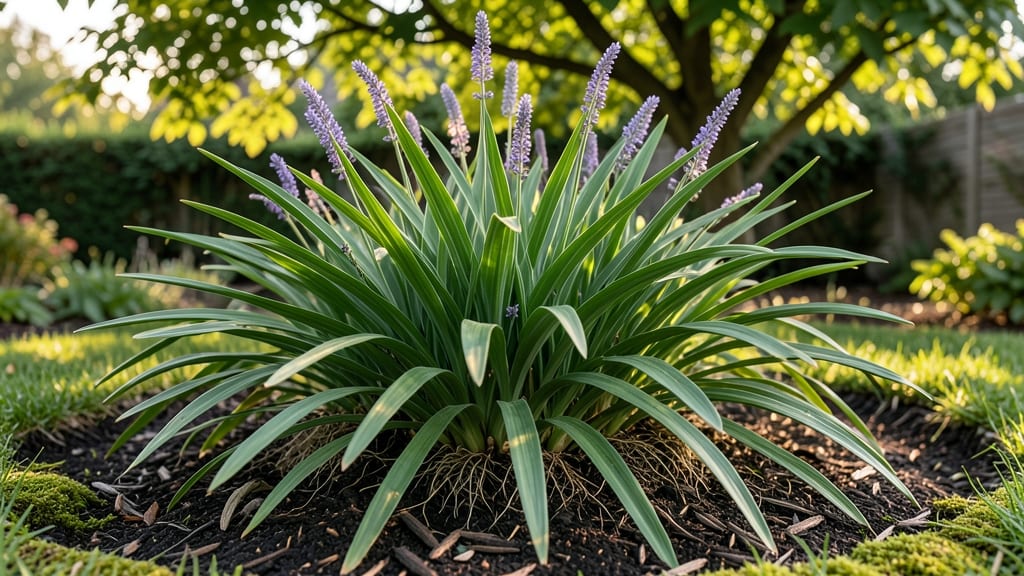
A flower bed monkey grass border transforms your garden into a lush, low-maintenance oasis that stays stunning in every season. 🌿 I’ve used Liriope muscari—the classic purple-blooming variety—to frame my perennial beds, and it’s become the backbone of my garden’s design.
The arching foliage creates natural movement while keeping weeds at bay, and those little purple spikes in late summer add a pop of color without any fuss.
The magic happens in the contrast: pair it with silver foliage like lamb’s ear or dusty miller for a striking visual, or let it mingle with deep purple coneflowers for a cohesive look.
Monkey grass thrives in full sun to partial shade and handles drought once established—perfect for busy gardeners who still want a polished border. Just space plants 12-18 inches apart for that full, lush effect.
By late fall, the grass turns a rich bronze, standing out against autumn blooms like sedum or ornamental grasses. It even stays green through winter in mild climates, giving you year-round structure.
The best part? You’ll spend less than an hour a year on maintenance—just a quick trim in spring to keep it tidy.
Works for small urban gardens or sprawling landscapes, and pairs beautifully with almost any flower. Ready to create a border that’s as functional as it is beautiful? Let’s get planting!
📚 In This Guide
- What you need
- Instructions
- Tips and common mistakes
- Wrapping up and next steps
What you need
- ● Monkey Grass (Liriope muscari or Liriope spicata): 10–15 live plants (or 2–3 gallons of potted plants) per 3-foot section of border
- ● Choose variegated or solid green varieties for contrast
- ● Soil: 1 bag of well-draining potting mix (50 lbs) for planting
- ○ Optional: Compost (20 lbs) to enrich soil
- ● Mulch: 2–3 bags of pine straw or shredded bark (2–3 cubic feet) to suppress weeds
- ● Tools: Garden trowel or hand shovel
- ● Measuring tape
- ○ Gloves (optional but recommended!)
- ○ Garden shears (for trimming, optional)
- ● A sunny to partially shaded area near your flower bed (6+ hours of sunlight for best growth)
- ● A defined border edge (use landscape fabric or a simple rope guide if needed)
- ● Access to water (monkey grass thrives with moderate moisture)
How to create a low-maintenance monkey grass border for flower beds
This fast-growing, drought-tolerant grass creates a lush, natural screen that thrives with almost no effort.
🌱 Step 1: Measure and Plan Your Border Layout
Start by measuring the length of your flower bed where you want the border. Monkey grass spreads 12-18 inches per year, so plant it 12-18 inches apart for a dense look within a season. Sketch a simple line on paper—this grass doesn't need perfect edges, but a straight guide helps keep it contained.
Check the sunlight exposure of your flower bed. Monkey grass handles full sun to partial shade, but for the thickest growth, aim for at least 4-6 hours of direct sun daily. If your bed gets afternoon shade, that's perfect—it reduces watering needs even more.
🪴 Step 2: Prepare the Soil and Plant the Grass
Loosen the soil along your marked line with a garden fork, working it 6-8 inches deep. Monkey grass tolerates most soil types but thrives in well-draining soil. If your soil feels heavy or clay-like, mix in 2-3 inches of compost to improve drainage and fertility.
Dig small holes 12-18 inches apart—just deep enough to cover the root ball of your grass plugs. Space them closer (10-12 inches) if you want a denser screen to develop faster. Gently remove the grass from its container and place it in the hole, ensuring the top of the root ball sits level with the soil surface. Press the soil firmly around the roots to eliminate air pockets.
💧 Step 3: Water and Mulch for Establishment
Water the newly planted grass deeply right after planting—soak the soil until water drains 4-6 inches down. Over the next 2-3 weeks, keep the soil consistently moist (but not soggy) by watering every 2-3 days. You'll know it's time to water when the top 1-2 inches of soil feel dry to the touch.
Spread a 2-inch layer of mulch (like shredded bark or pine straw) over the soil, keeping it 2 inches away from the grass stems to prevent rot. Mulch conserves moisture, suppresses weeds, and keeps roots cool—critical for the first 30 days while the grass establishes. Avoid thick mulch layers, as they can smother new growth.
☀️ Step 4: Maintain for Year-Round Beauty
Once established (after 4-6 weeks), monkey grass needs almost no maintenance. Water once a week during dry spells, but it tolerates drought once roots are deep. Trim back brown or leggy growth in early spring to encourage fresh, vibrant shoots—just cut back to 2-3 inches above the ground with clean pruners.
This grass spreads naturally, so check the edges once a year in late winter and trim any stray shoots that wander into your flower bed. If you notice bare spots, simply dig up a small section of healthy grass, divide it, and replant it in the thin area. It fills in faster than you'd expect!
⏰ Step 5: Enjoy Your No-Fuss Privacy Screen
Within 3-4 months, your monkey grass border will create a 3-4 foot tall, dense screen that blocks wind, reduces noise, and adds texture to your garden. The arching, feathery plumes add movement and interest, while the deep green foliage contrasts beautifully with flowering plants.
Real talk: This is one of those "plant it and forget it" solutions. Unlike traditional hedges, monkey grass doesn’t need fertilizing, pruning, or pest control. It even survives light frosts and bounces back in spring, making it a true year-round privacy solution.
Tips & tricks for perfect monkey grass borders
Here's how to make your low-maintenance privacy screen even easier—and more effective—once planted.
Planting Precision: When digging those 12-18 inch holes in Step 2, use a small garden trowel instead of your fork to create clean, straight holes. This makes it easier to position the root ball perfectly level with the soil surface, which prevents water pooling around the stems. I learned this the hard way after watching water pool around unevenly planted grass.
Sunlight Strategy: The 4-6 hours of daily sun mentioned in Step 1 doesn't have to be consecutive. Break it into morning and afternoon sun—just make sure it adds up. I've seen this grass thrive with 3 hours in the morning and 3 hours in the late afternoon, especially in hotter climates where afternoon sun can stress plants.
Watering Wisdom: For the critical 2-3 week establishment period in Step 3, I recommend using a soaker hose instead of overhead watering. This delivers water directly to the roots where it's needed most, while keeping the feathery plumes dry. Wet foliage can develop fungal issues, especially in humid climates. The soaker hose also delivers that deep 4-6 inch watering more efficiently.
Mulch Mastery: That 2-inch layer of mulch in Step 3 serves double duty beyond moisture retention. Pull back the mulch just slightly around the base of each plant in late winter to protect against frost heave—when soil freezes and expands, lifting plants out of the ground. This simple step prevents root damage during winter months.
Pro Tips for Flower Bed Monkey Grass Border
- Here's how to make your low-maintenance privacy screen even easier—and more effective—once planted.
- Planting Precision: When digging those 12-18 inch holes in Step 2, use a small garden trowel instead of your fork to create clean, straight holes.
- Sunlight Strategy: The 4-6 hours of daily sun mentioned in Step 1 doesn't have to be consecutive.
Frequently asked questions
Got questions about creating a stunning flower bed monkey grass border? You’re not alone! Here are answers to the most common queries to help you get started with confidence.
How fast does monkey grass grow, and when can I expect privacy?
Monkey grass (like Liriope muscari or World Grass) grows aggressively—expect 1–2 feet per year under ideal conditions. With a well-placed border, you’ll see noticeable height and density within 6–12 months, offering year-round privacy. For faster results, plant in spring or early fall when roots establish quickly.
Do I need to trim monkey grass for a neat border?
One of the best perks of monkey grass? Almost zero maintenance! While it doesn’t require trimming, a light shear in late winter or early spring (before new growth) keeps it tidy. If it spreads too much, simply edge with a spade or string trimmer—no pruning needed for most varieties. World Grass stays dense without extra work!
Can I mix monkey grass with flowers in the same bed?
Monkey grass thrives as a low-maintenance border while allowing flowers to shine. Pair it with perennials like coneflowers, black-eyed Susans, or ornamental grasses for texture and color. Just ensure the flowers get enough sunlight—monkey grass is shade-tolerant but prefers partial sun for best growth.
Will monkey grass attract pests or diseases?
Monkey grass is highly resistant to pests and diseases, making it a low-fuss choice. However, slugs or snails may nibble on young plants—use organic slug bait or diatomaceous earth if needed. Overwatering can lead to fungal issues, so ensure well-draining soil and water only when the top inch is dry.
What’s a good alternative if monkey grass isn’t available?
If monkey grass isn’t an option, consider these low-maintenance, privacy-friendly alternatives:
- Dwarf bamboo (e.g., Fargesia) – Clumping, non-invasive, and lush.
- Boxwood hedges – Slow-growing but dense; great for structured borders.
- Russian sage – Drought-tolerant perennial with purple blooms.
- Ornamental sedum – Succulent-like, thrives in poor soil, and stays green.
Wrapping up and next steps
A flower bed monkey grass border isn’t just a stylish addition—it’s a game-changer for low-maintenance privacy and curb appeal! With its lush, year-round greenery and effortless growth, this border transforms any space into a serene retreat without the hassle.
Whether you’re a busy homeowner or a gardening newbie, this solution delivers beauty and functionality on autopilot.
Ready to elevate your outdoor space? Start by sketching your design, gathering supplies, and planting with confidence. Your dream border is just a shovel’s toss away! 🌿✨