
Planting
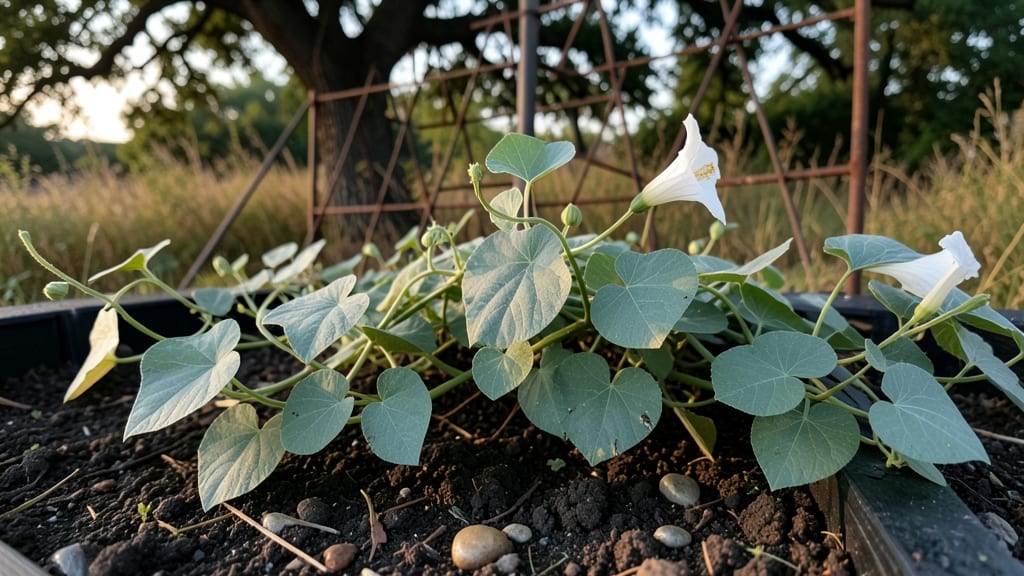
The ethereal beauty of a perennial moonflower plant transforms your garden into a hummingbird magnet after sunset—its ghostly white blooms glowing under porch lights like a night-blooming spectacle. 🌿 The first time I saw these, I knew this was no ordinary vine... your yard into a twilight oasis.
These vines thrive in warm climates but can be grown as annuals in cooler zones, rewarding you with fragrant, star-shaped flowers that hummingbirds adore.
The secret to success starts with the right spot: full sun and well-draining soil are non-negotiable. Moonflowers are fast-growing climbers, so provide a sturdy trellis or fence—within a single season, they’ll blanket it in lush, heart-shaped leaves and those iconic blooms.
Water consistently but avoid soggy roots, and watch as the vines explode with growth once established. Pruning isn’t critical, but trimming back leggy growth in early spring keeps the plant vigorous and encourages more flowers.
What makes this vine truly special is its nocturnal show. While most flowers sleep at night, moonflowers wake up—opening their petals just as dusk falls and closing by morning. The result? A garden that feels alive long after the sun sets, with hummingbirds darting between blooms under the moonlight.
Even in small spaces, these vines deliver drama, turning balconies or trellises into enchanting nighttime displays.
Fair warning: moonflowers are annuals in colder zones, so treat them as such unless you live in USDA zones 9-11. In frost-prone areas, save seeds from your best plants to replant next year—because once you’ve experienced their twilight magic, you’ll want more.
Here’s how to make it happen without the guesswork.
📚 In This Guide
- What you need
- Instructions
- Tips and common mistakes
- Wrapping up and next steps
What you need
- ● Moonflower seeds (Ipomoea alba) – 5–10 seeds (for a small vine) or 20+ for a lush display.
- ● Well-draining potting mix – 10–15 lbs (for containers) or enrich soil with compost (for in-ground planting).
- ● Garden gloves – 1 pair (to protect hands from thorns and soil).
- ● Watering can or hose with a gentle nozzle – For consistent moisture without over-saturating.
- ● Trowel or hand shovel – For planting seeds ½ inch deep.
- ● Trellis, fence, or sturdy stakes – 6–8 ft tall (moonflowers climb aggressively!).
- ● Pruning shears – To trim dead vines or shape growth.
- ○ Mulch (optional) – Straw or shredded leaves to retain moisture.
- ○ Hummingbird feeder (optional) – To attract pollinators to your blooms!
- ● Sunlight – Full sun (6+ hours daily) or partial shade (for hotter climates).
- ● Warmth – Seeds need soil temps of 60–70°F to germinate.
- ● Patience – Germination takes 10–21 days (don’t rush it!).
How to grow a thriving perennial moonflower vine
This twilight beauty needs just a few key steps to flourish and attract hummingbirds nightly.
🌱 Step 1: Select and Prepare the Planting Site
Moonflowers thrive in partial shade to full sun, but they love afternoon shade in hot climates. Choose a location with well-draining soil—these vines hate soggy roots. I always test soil moisture by squeezing a handful: if water drips out, amend with 2-3 inches of compost to improve drainage.
Moonflowers spread aggressively, so give them at least 6 feet of vertical space to climb trellises or fences. If planting near structures, leave 3 feet of clearance for their sprawling habit. The ideal spot combines afternoon shade with morning sun—this balances growth and flowering.
🪴 Step 2: Plant the Tubers at the Right Depth
Moonflower tubers are chunky and knobby, so handle them gently—they bruise easily. Plant them 2-3 inches deep, spacing them 12-18 inches apart in rows. I like to dig a hole, place the tuber with its eyes (small buds) facing upward, then cover lightly with soil.
Water immediately after planting to settle the soil around the tubers. The first few weeks are critical—keep the soil evenly moist but not waterlogged. You’ll know you’ve got it right when the soil feels like a damp sponge when squeezed. Mulch with 2 inches of organic mulch to retain moisture and regulate temperature.
☀️ Step 3: Provide Support and Encourage Climbing
Install a strong trellis, fence, or arbor before planting—these vines grow 10-15 feet tall in a single season. I use metal or wooden trellises because they last longer than bamboo. Train the first vines to climb by gently tying them to the support with soft twine as they emerge.
Moonflowers twine naturally, so avoid heavy pruning early on. Let them climb freely—the more they spread, the more blooms you’ll get. Watch for new tendrils forming at the leaf nodes; these are your plant’s way of gripping the support. If a vine flops, tuck it back onto the trellis before it gets too heavy.
💧 Step 4: Water and Fertilize for Maximum Blooms
Once established, moonflowers are drought-tolerant, but they reward consistent care with more blooms. Water deeply once a week during dry spells, aiming for 1 inch of water. You’ll know it’s enough when the soil 1 inch below the surface feels moist but not saturated.
Feed with a balanced, slow-release fertilizer (10-10-10) in early spring and again after the first flush of blooms. I avoid high-nitrogen fertilizers—they encourage leafy growth at the expense of flowers. Stop fertilizing 6 weeks before the first frost to let the plant harden off for winter.
⏰ Step 5: Prune and Prepare for Winter Dormancy
After the first frost, the vines will yellow and die back—this is normal. Cut back the foliage to ground level in late fall, but leave the tubers in the soil. They’ll overwinter underground and sprout again in spring. I mark their locations with small flags so I don’t accidentally dig them up.
In Zone 8 and warmer, moonflowers may bloom year-round. In colder zones, mulch heavily with 4-6 inches of straw or leaves to protect the tubers. The key is keeping them consistently moist through winter—dry soil can kill them. With proper care, they’ll return bigger and more vigorous each year.
Tips & tricks for perfect moonflower growth
A few key strategies will help your moonflower vine thrive and reward you with stunning nighttime blooms every season.
Soil Prep Secret: Before planting, I always mix in 2-3 inches of compost to improve drainage—moonflowers despise soggy roots. Test your soil by squeezing a handful: if water drips out, you need more compost. For extra insurance, add a handful of perlite to the planting hole to prevent compaction around the tubers. This helps them establish strong roots during those critical first few weeks.
Tuber Placement Matters: When planting your 2-3 inch deep tubers, position them with the eyes (small buds) facing upward—this is where new growth emerges. I like to make a small mound of soil in the center of the hole, place the tuber on top, then cover lightly. This ensures the tubers won't sink deeper than intended, which can rot them. Handle them gently—they bruise easily!
Support System Strategy: Install your trellis or fence before planting—these vines grow 10-15 feet tall in a single season! I recommend metal or wooden supports because they last longer than bamboo. Train the first vines to climb by gently tying them with soft twine as they emerge. The more they spread, the more blooms you'll get—just watch for new tendrils at the leaf nodes and guide them gently onto the support.
Winter Protection Wisdom: In colder zones, mulch heavily with 4-6 inches of straw or leaves after the first frost to protect the tubers. The key is keeping them consistently moist through winter—dry soil can kill them. I mark their locations with small flags so I don't accidentally dig them up during spring cleanup. This mulch layer also helps regulate soil temperature during extreme cold snaps.
Pro Tips for Perennial Moonflower Plant
- A few key strategies will help your moonflower vine thrive and reward you with stunning nighttime blooms every season.
- Soil Prep Secret: Before planting, I always mix in 2-3 inches of compost to improve drainage—moonflowers despise soggy roots.
- Tuber Placement Matters: When planting your 2-3 inch deep tubers, position them with the eyes (small buds) facing upward—this is where new growth emerges.
Frequently asked questions
Got questions about growing and caring for your perennial moonflower plant? You’re not alone! Here are some of the most common queries—plus straightforward answers to help you cultivate a thriving hummingbird haven.
Is the perennial moonflower really frost-tolerant?
The Ipomoea alba (perennial moonflower) is hardy in USDA zones 10-11 and may survive mild winters in zones 9-10 if mulched heavily. In colder climates, treat it as an annual or grow it in containers to overwinter indoors. Its tropical roots prefer warmth, so protect it from frost—or enjoy its fleeting blooms each summer!
Why aren’t hummingbirds visiting my moonflowers?
Hummingbirds adore moonflowers, but a few factors might deter them:
- Timing: Blooms open at dusk—place your vine where birds can spot them after sunset.
- Nectar access: Ensure flowers aren’t overcrowded (trim nearby foliage if needed).
- Alternative food: Add a hummingbird feeder nearby with a 1:4 sugar-water ratio (no dye!).
Patience helps—hummingbirds may take a few days to discover your new nectar source! Pro tip: Avoid pesticides, as they harm pollinators.
How fast does the perennial moonflower vine grow?
This fast grower can climb 10–15 feet in a single season! With proper support (like a trellis or fence), it twines aggressively. Start vines early in spring for maximum blooms by summer. Prune lightly to encourage bushier growth—just avoid cutting back too late, as it blooms on new growth.
Can I grow perennial moonflowers from seed?
Yes! Start seeds indoors 8–10 weeks before your last frost or sow directly in warm soil (after frost risk passes). Seeds germinate best in warmth (70–80°F), so use a heat mat if needed. Soak seeds overnight to speed germination. Transplant seedlings carefully—they’re tender and may struggle with transplant shock.
What’s eating my moonflower leaves?
Common pests include:
- Spider mites (tiny webs on undersides of leaves). Treat with a strong spray of water or neem oil.
- Japanese beetles (skeletonized leaves). Handpick them or use milky spore for long-term control.
- Slugs/snails (chewed holes). Set up beer traps or use iron phosphate bait.
Prevention tip: Encourage beneficial insects like ladybugs and lacewings by planting companion flowers like marigolds! Bonus: Healthy vines with plenty of nectar deter pests naturally.
Wrapping up and next steps
The perennial moonflower plant is a dream come true for gardeners who love night-blooming magic and hummingbird-friendly havens! 🌙 With its fragrant, moonlit blooms and low-maintenance care, it’s the perfect addition to trellises, fences, or even container gardens.
Whether you’re drawn to its beauty or its ability to attract pollinators after dark, this vine delivers both charm and function.
Ready to transform your space? Start by choosing a sunny spot and gathering your supplies—then watch your garden come alive under the stars. Happy planting! 🌱✨