
Shrubs
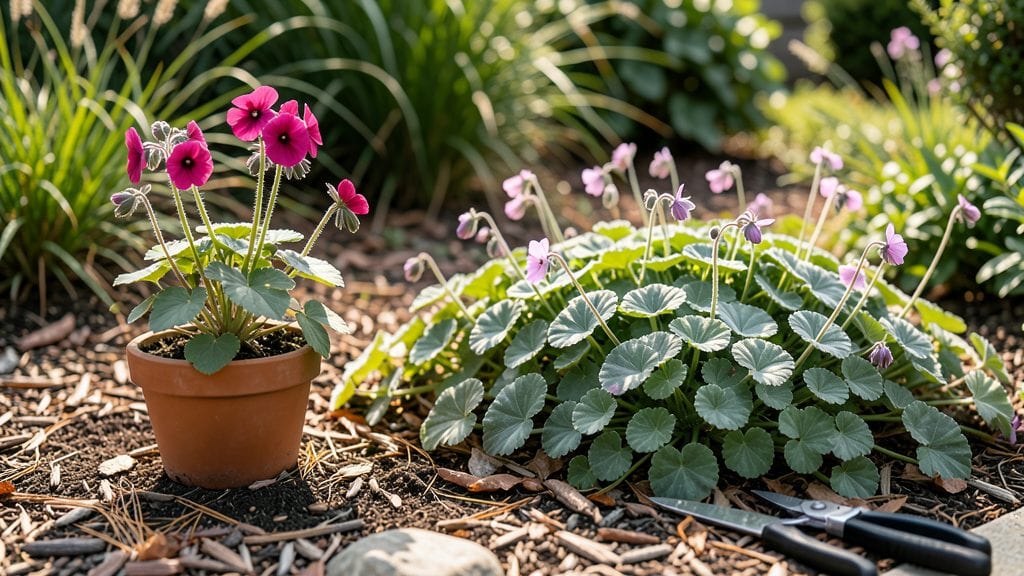
Growing perennial geraniums in sun or shade 🌸 means you get vibrant blooms without the fuss of seasonal replacements—but only if you match the variety to the light.
Picture this: you’ve spent weeks waiting for those bold pink or deep purple flowers, only to watch them wilt under harsh afternoon rays or fade into a shadowy corner.
The secret? Not all geraniums play well in both worlds, and getting the light wrong can mean the difference between a thriving plant and a sad, leggy mess.
Some varieties, like Geranium macrorrhizum, practically beg for shade, while others, such as Geranium sanguineum, bask in full sun.
I’ll break down which types thrive where, how to tweak your soil and watering for each, and the one pruning trick that keeps them blooming like clockwork—no matter where you plant them.
By the end, you’ll know exactly where to tuck your geraniums for year-round color, how to spot when they’re unhappy, and the simple fixes that turn flops into showstoppers.
 Best Window Placement
Sun vs. shade requirements for perennial geraniums: varieties that thrive in each
Perennial geraniums offer year-round color and low-maintenance beauty, but their light needs vary dramatically between varieties. Some, like Geranium macrorrhizum, thrive in full sun, while others, such as Geranium phaeum, prefer partial to full shade.
Choosing the right variety for your garden’s light conditions ensures vibrant blooms and healthy foliage—not just survival. Let’s explore the best options for each scenario so you can create a sunshine-to-shade geranium garden that never fades.
Understanding light tolerance is key because geraniums in the wrong conditions often suffer from leggy growth, fewer blooms, or even leaf scorch.
For example, full-sun varieties like Geranium sanguineum produce bold, long-lasting flowers, while shade-tolerant types like Geranium renardii showcase delicate, intricate blooms that thrive where others wilt. Even partial shade (3–6 hours of sun) can transform a struggling geranium into a showstopper if you pick the right species.
Here’s the game-changer: not all geraniums are created equal. Some varieties adapt to changing light, while others are strictly sun-lovers or shade-dwellers.
Below, I’ve broken down the top perennial geraniums by their ideal light conditions, including bloom intensity, foliage quality, and regional adaptability—so you can pick the perfect match for your garden’s microclimates.
🌱
If you’re in a hot, dry climate (like USDA Zones 7–9), Geranium macrorrhizum and Geranium sanguineum are top picks for full sun. Their thick, leathery leaves help them retain moisture, while their bold blooms outshine annual geraniums.
However, in cooler, wetter regions (like Zones 4–6), these same varieties might struggle in deep shade, so pairing them
How to care for perennial geraniums in different light conditions: soil, water, and pruning tips
Perennial geraniums are light adaptable, but their care shifts dramatically depending on whether they’re basking in full sun or tucked into shady corners. The key? Matching your soil pH, watering schedule, and pruning routine to their light environment.
I’ve learned this the hard way—once, I nearly killed a Geranium macrorrhizum by giving it too much sun, and another Geranium sanguineum suffered in too much shade. Here’s how to get it right the first time.
Light exposure doesn’t just affect blooms—it changes root depth, foliage health, and even disease resistance. For example, sun-loving varieties develop deeper roots to access moisture, while shade dwellers stay compact and prioritize leafy growth over flowers.
The goal? Keep your geraniums happy and blooming by adjusting just three things: soil conditions, watering frequency, and pruning timing. Let’s break it down by light zone.
- 1 Soil pH Adjustments: Sun-loving geraniums thrive in slightly alkaline soil (6.5-7.0), while shade varieties prefer mildly acidic (5.5-6.5). Test your soil and amend with lime for sun or peat moss for shade.
- 2 Watering Frequency: Sun plants need deep watering every 5-7 days, while shade plants prefer consistent moisture (every 7-10 days). Overwatering in shade causes root rot—always check soil moisture 1 inch below the surface.
- 3 Pruning for Light: Prune sun geraniums after blooming to encourage new growth, but shade varieties only lightly trim to avoid legginess. Deadhead regularly in sun (every 2 weeks) for continuous blooms.
- 4 Seasonal Soil Boost: In spring, add compost for sun plants to retain moisture, and mulch heavily for shade plants to protect roots. Fall is the time to reduce watering for both but keep soil slightly moist.
Let’s start with soil preparation, because even the hardiest geranium won’t thrive if the foundation is wrong. For sun-loving varieties, like Geranium sanguineum, aim for well-draining soil with a touch of grit—think 60% topsoil, 30% compost, and 10% perlite.
This prevents root rot from summer heat. In contrast, shade geraniums, such as Geranium macrorrhizum, do best in rich, loamy soil with added organic matter like leaf mold. A quick soil test kit (under $20) will save you guesswork here.
Watering is where most gardeners trip up. I once watched a Geranium renardii in full sun wilt dramatically because I watered it lightly every day instead of deeply once a week.
The rule? Sun plants need deep soakings to encourage deep roots, while shade plants prefer top-dressing to keep surface soil moist.
Always water in the early morning to prevent fungal issues, and use a moisture meter if you’re unsure—stick it 1 inch down, and if it reads dry, it’s time to water.
Pruning feels like an afterthought, but it’s the secret to year-round blooms. For sun geraniums, cut back one-third of the plant right after the first flush of flowers in spring. This triggers a second bloom cycle by summer.
Shade varieties, however, are more delicate—just snip off dead or yellowing leaves and trim back no more than 10% of the plant to avoid stress. Pro tip: Use clean, sharp pruners and sterilize them with rubbing alcohol between cuts to prevent disease spread.
Finally, don’t forget seasonal tweaks. In late summer, reduce watering for sun plants to harden them off for winter, but keep shade plants consistently moist until the first frost.
Mulch with 2-3 inches of straw around all geraniums in fall to insulate roots—this simple step can mean the difference between a frozen mess and a spring-ready plant.
With these adjustments, your geraniums will reward you with bold blooms from spring to frost, no matter where you plant them.
🌱