
Aphids
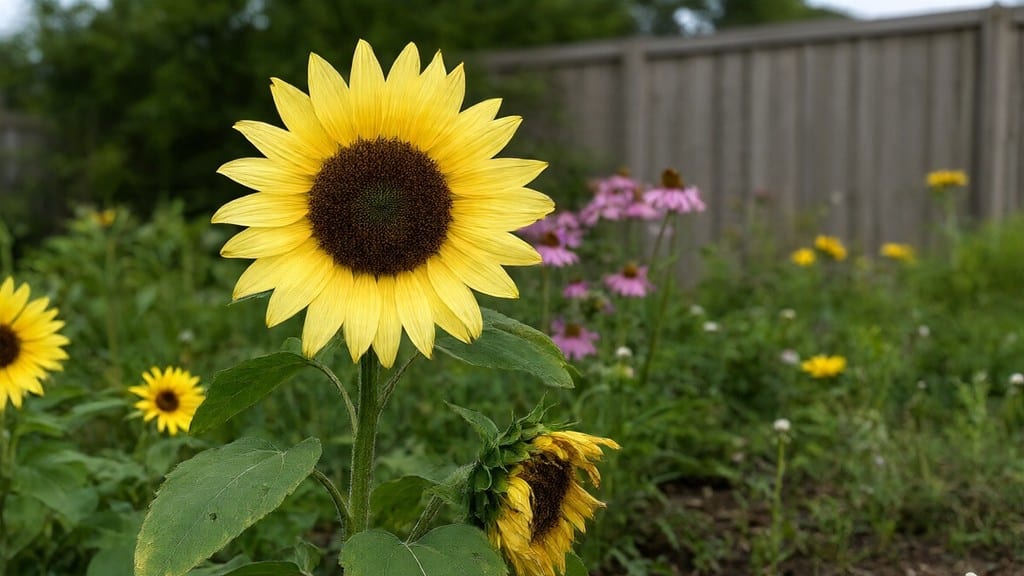
Growing Helianthus 'Lemon Queen' perennial sunflowers means bright, cheerful blooms that last from summer through fall—without the fuss of annuals. I’ve grown this variety for three seasons now, and it’s become my go-to for cut flowers and pollinator support, all while staying nearly pest-free.
The key lies in its love for full sun and well-draining soil, which keeps it sturdy and healthy even in heatwaves.
This sunflower thrives in USDA zones 4-9, making it versatile for most gardens. Plant seeds ½ inch deep in spring after the last frost, spacing them 18-24 inches apart to give roots room to spread.
Water deeply once a week, letting the soil dry slightly between waterings—overwatering leads to floppy stems and powdery mildew, its two biggest foes. A light mulch around the base helps retain moisture without smothering the plant.
By midsummer, you’ll see those signature lemon-yellow blooms opening daily, attracting bees and butterflies while adding a pop of color to bouquets. The stems stay strong enough for cutting, and the plant often self-seeds, giving you free new plants year after year.
Prune back faded blooms to encourage more flowers, and watch as it grows taller and bushier with each season.
For winter, this hardy perennial needs no special care—just a little protection from heavy snow if you’re in zone 4. In spring, trim back any dead growth, and it’ll bounce back stronger than ever.
Whether you’re growing it for cut flowers, pollinators, or just cheerful summer color, Lemon Queen delivers with minimal effort.
📚 In This Guide
- What you need
- Instructions
- Tips and common mistakes
- Wrapping up and next steps
What you need
- ● Seeds or nursery plants: 3–5 Helianthus Lemon Queen seeds (or 1–2 plants if buying from a nursery). Choose certified organic or heirloom seeds for best results.
- ● Well-draining soil: 1–2 cubic yards of loamy, slightly acidic soil (pH 6.0–7.0). Mix in 1 part compost for nutrient-rich growth.
- ● Sunlight access: A full-sun location (6+ hours of direct sunlight daily). South-facing spots are ideal!
- ● Watering can or hose: With a fine-mist nozzle for gentle hydration.
- ● Mulch: 2–3 inches of organic mulch (straw or shredded leaves) to retain moisture and suppress weeds.
- ● Garden trowel or hand shovel (for planting seeds/transplants).
- ○ Gloves (optional but recommended for comfort).
- ● Pruning shears (for trimming dead blooms or pests).
- ○ Neem oil or insecticidal soap (optional, for pest control—see Helianthus Lemon Queen’s natural aphid resistance!).
- ○ Stakes or trellis (optional, if your variety grows tall and needs support).
- ● Climate: USDA Zones 4–9 (cold-hardy but thrives in warm, humid areas too!).
- ● Patience: Germination takes 10–21 days—keep soil moist but not soggy!
- ● Pest awareness: Monitor for aphids, spider mites, or powdery mildew (though Lemon Queen is naturally resistant!).
Step-by-step instructions for planting and cultivating Helianthus Lemon Queen perennial sunflowers
Here’s how to establish these golden, pest-resistant perennials for long-term beauty and minimal upkeep.
Select and Prepare the Planting Site
Choose a location with full sun exposure—at least 6-8 hours of direct sunlight daily. Lemon Queen sunflowers tolerate a range of soil types but thrive best in well-draining, slightly acidic to neutral soil with a pH between 6.0 and 7.0. If your soil is heavy clay, amend it with 2-3 inches of compost mixed into the top 12 inches of soil to improve drainage and fertility.
Dig a hole twice as wide as the root ball but only as deep as the container’s root base. Gently loosen the roots if they’re circling—this encourages outward growth. Space plants 3-4 feet apart to allow for mature foliage spread without crowding. Lemon Queen’s sturdy stems benefit from this room to develop strong structural support.
Plant and Water for Initial Establishment
Place the sunflower in the hole, ensuring the top of the root ball sits level with the surrounding soil. Backfill with native soil, pressing lightly to eliminate air pockets. Water deeply immediately after planting—about 1 gallon per plant—to settle the soil and eliminate gaps. This initial watering helps roots establish contact with the surrounding earth.
Keep the soil consistently moist but not soggy for the first 4-6 weeks. You’ll know moisture is right when the top 2 inches of soil feel damp to the touch. Mulch around the base with 2-3 inches of organic mulch, like shredded bark, to retain moisture and suppress weeds. Avoid piling mulch directly against the stems to prevent rot.
Provide Ongoing Care for Healthy Growth
Once established, Lemon Queen sunflowers are drought-tolerant, but they perform best with 1 inch of water per week during dry spells. Water at the base of the plant in the morning to reduce evaporation and fungal risks. Fertilize lightly in early spring with a balanced, slow-release fertilizer (10-10-10) applied at ½ the recommended rate. Over-fertilizing leads to excessive foliage at the expense of those prized golden blooms.
Deadhead spent flowers by snipping the stem just above the next set of leaves to encourage continuous blooming. This perennial sunflower thrives with minimal pruning—only remove dead or damaged stems in late winter to make room for new growth. Its natural resilience means it rarely requires intervention beyond occasional tidying.
Overwinter for Year-Round Performance
Lemon Queen sunflowers are hardy in USDA zones 4-9, but they benefit from light winter protection in colder regions. Cut back dead foliage in late winter—just as new shoots begin to emerge—to promote fresh growth. In zones 4-5, apply a 2-3 inch layer of mulch around the base before the first frost to insulate roots. This helps prevent heaving and ensures a stronger spring regrowth.
Watch for new shoots in early spring as a sign of dormancy breaking. Once you see 2-3 inches of new growth, remove the mulch and resume regular watering. The plant’s deep root system makes it remarkably adaptable, but consistent care in its first year ensures it establishes itself for years of low-maintenance beauty.
Tips & tricks for perfect Lemon Queen perennial sunflower cultivation
These proven strategies will help you cultivate Lemon Queen sunflowers with confidence, ensuring robust growth and continuous blooms year after year.
Site Selection Insight: The 6-8 hours of full sun requirement is non-negotiable for Lemon Queen sunflowers. If your garden has partial shade, consider placing them in the sunniest spot available—even an hour less sunlight can reduce flowering. I've found that morning sun with afternoon shade works surprisingly well in hot climates, but the plant will still produce fewer blooms than in full sun. Test your location by observing how much direct sunlight reaches the spot during the longest day of summer.
Soil Preparation Strategy: When amending heavy clay soil with 2-3 inches of compost, mix it thoroughly into the top 12 inches of soil. This isn't just about drainage—it's about creating an ideal environment for root development. I recommend using well-aged compost or a mix of compost and sand for best results. The goal is to achieve that slightly acidic to neutral pH (6.0-7.0) without creating a waterlogged environment that can suffocate roots.
Watering Wisdom: The first 4-6 weeks are critical for root establishment, so maintaining consistently moist (not soggy) soil is essential. I've learned this the hard way—underwatering during this period can stunt growth, while overwatering can lead to root rot. Use your finger to check soil moisture at the 2-inch depth—it should feel like a damp sponge, not a wet towel. A moisture meter can be a worthwhile investment for precise monitoring.
Winter Protection Technique: In USDA zones 4-5, that 2-3 inch layer of mulch before the first frost is your best defense against winter damage. I recommend using straw or leaves rather than wood chips, as they break down more quickly in spring, allowing for easier removal. The mulch acts as insulation, protecting roots from extreme temperature fluctuations that can cause heaving—when the ground freezes and thaws, lifting the plant out of the soil.
Pro Tips for Helianthus Lemon Queen Perennial Sunflower
- These proven strategies will help you cultivate Lemon Queen sunflowers with confidence, ensuring robust growth and continuous blooms year after year.
- Site Selection Insight: The 6-8 hours of full sun requirement is non-negotiable for Lemon Queen sunflowers.
- Soil Preparation Strategy: When amending heavy clay soil with 2-3 inches of compost, mix it thoroughly into the top 12 inches of soil.
Frequently asked questions
Got questions about growing the Helianthus 'Lemon Queen' perennial sunflower? You’re not alone!
Here are some of the most common queries—plus quick, practical answers to help you cultivate this cheerful, pest-resistant beauty with confidence.
Is the Lemon Queen sunflower truly perennial, or does it die back in winter?
The Helianthus 'Lemon Queen' is a hardy perennial in USDA zones 4–9, meaning it regrows from its roots each spring after winter dormancy. In colder zones, mulch the base with straw or leaves to insulate roots. In zones 10+, it may behave more like an annual but still thrives with consistent moisture.
Why do I see aphids on my Lemon Queen, and how do I get rid of them?
Aphids are drawn to new growth, but Lemon Queen’s resistance is stronger than many sunflowers! Blast them off with a hose spray or introduce ladybugs (natural predators). For stubborn infestations, mix 1 tsp neem oil per quart of water and spray foliage. Prune heavily infested stems to encourage bushier, healthier regrowth.
How long does it take for Lemon Queen sunflowers to bloom after planting?
With full sun (6+ hours/day) and well-draining soil, you’ll see bright yellow blooms 60–90 days after transplanting (or 45–60 days from seed). Deadhead spent flowers to prolong blooming—this variety often rewards patience with continuous summer-to-fall color.
Can I grow Lemon Queen sunflowers in containers, or do they need a garden bed?
Plant in a 5-gallon+ container with potting mix amended with compost and ensure drainage holes. Choose a pot at least 12 inches deep—this sunflower can reach 4–5 feet tall. Move containers to partial shade if temps exceed 90°F to prevent stress.
What’s the best way to propagate Lemon Queen sunflowers for more plants?
Divide clumps in early spring or fall when soil is moist but not soggy. Dig up the root ball, separate sections with 3–4 stems each, and replant immediately. For faster results, take softwood cuttings in late spring: dip in rooting hormone, cover with a plastic bag, and keep in bright, indirect light until roots form (4–6 weeks).
My Lemon Queen leaves are yellowing—what’s wrong?
Yellowing leaves usually signal overwatering or nutrient deficiency. Check soil moisture—roots need 1 inch of water weekly (more in heat). Amend soil with balanced fertilizer (10-10-10) in spring. If lower leaves yellow first, it’s likely natural aging; prune them to redirect energy to new growth.
Wrapping up and next steps
The Helianthus 'Lemon Queen' is a standout perennial sunflower that brings bold color, resilience, and low-maintenance beauty to your garden. With its pest-resistant nature and ability to thrive in full sun, it’s the perfect choice for both novice and experienced gardeners. Ready to transform your outdoor space? 🌻
Start by planting one today—whether in containers, borders, or as a striking focal point. Watch as it blooms year after year with minimal effort, and enjoy the vibrant joy it brings to your landscape!