
Light Requirements
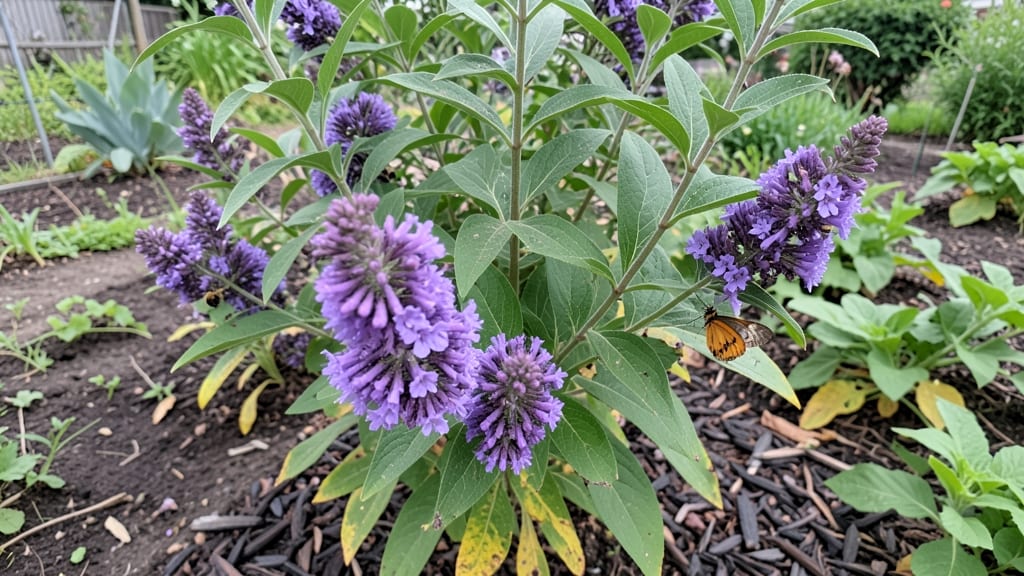
Full sun perennial flowering bushes are the backbone of a garden that bursts with color from spring until frost—without the annual replanting hassle. 🌟 I remember my first season with these tough plants: the way they stood tall through summer heat while my annuals wilted by July.
The secret isn't just picking sun-loving varieties—it's arranging them so their blooms overlap like a living quilt.
Start with a mix of heights: 3-4 foot shrubs like butterfly bush for mid-border drama, paired with 18-24 inch spirea for front-edge sparkle. Plant in odd-numbered groups (3, 5, or 7) to create natural focal points.
The key is spacing them 12-18 inches apart so air circulates—this prevents powdery mildew and keeps blooms coming all season.
You'll end up with a garden that feels like a painter's palette—deep purples, fiery reds, and creamy whites all thriving under the same sun. The best part? These bushes need no staking, no deadheading, just occasional pruning after blooming. Think of them as your low-maintenance, high-impact workhorses.
Works equally well in modern landscapes, cottage gardens, or even as privacy screens along fences. The right placement makes them the stars of your outdoor space while letting other plants shine too.
📚 In This Guide
- What you need
- Instructions
- Tips and common mistakes
- Wrapping up and next steps
What you need
- ● Perennial flowering bushes: Choose 3–5 sun-loving varieties (e.g., Butterfly Bush (Buddleia), Dwarf Butterfly Bush (Buddleia davidii 'Nanho Blue'), or Abelia (Abelia x grandiflora)). Plan for 1–3 plants per 4–6 sq ft of space.
- ● High-quality potting soil or native soil mix: 1–2 cubic yards (depending on garden size). Opt for well-draining, organic-rich soil with a pH of 6.0–7.5.
- ● Organic mulch: 2–3 inches of pine bark, shredded leaves, or straw to retain moisture and suppress weeds.
- ● Garden trowel or spade: For digging holes (1.5x wider and as deep as the root ball).
- ● Garden gloves: Heavy-duty to protect hands from thorns or rough bark.
- ● Watering can or hose with a gentle spray nozzle: For post-planting hydration.
- ● Pruning shears: Sharp, bypass-pruners for shaping and maintenance.
- ● Slow-release fertilizer: 10–20 lbs of balanced 10-10-10 or low-phosphorus 5-3-3 for nutrient boost.
- ● Plant support stakes: For tall varieties like Buddleia (1–2 stakes per plant).
- ● Drip irrigation system: Automates watering for busy gardeners.
- ● Compost or worm castings: 1–2 cups per plant to enrich soil naturally.
How to plant and maintain perennial flowering bushes in full sun
Here's the straightforward approach I've used to keep these sun-loving beauties thriving for years.
🌱 Step 1: Select and Prepare the Planting Site
Choose a location with 6+ hours of direct sun daily—these bushes won't tolerate shade. Test the spot by observing how sunlight moves across it throughout the day. The soil should drain well; if it feels heavy when wet, amend with 2-3 inches of compost mixed into the top 12 inches of soil. I always dig a hole twice as wide as the root ball but only as deep—planting too deep suffocates roots.
Loosen the roots gently if they're circling in the container. This encourages outward growth instead of strangling the plant. Water the root ball thoroughly before planting to reduce transplant shock. The soil should feel damp but not soggy when you squeeze it—this ensures roots won't dry out immediately after planting.
🪴 Step 2: Plant and Establish the Bushes
Place the bush in the hole so the top of the root ball sits 1 inch above ground level. This prevents soil from washing into the stem crown during heavy rains. Backfill with native soil, tamping lightly every 2 inches to remove air pockets. A firm but loose soil structure helps roots spread quickly.
Water deeply right after planting to settle the soil and eliminate air gaps. You'll see water pooling at the base—this is normal and ensures moisture reaches all roots. Mulch around the base with 2-3 inches of organic mulch, keeping it 6 inches away from the stem to prevent rot. The mulch should look dark and fluffy, not compacted.
☀️ Step 3: Water and Fertilize for Season-Long Bloom
Water 1-2 times per week during the first growing season, depending on rainfall. The soil should feel dry 2-3 inches down before watering again—stick your finger in to check. Overwatering is the fastest way to kill these plants; they prefer slightly dry conditions between waterings once established.
Apply a balanced, slow-release fertilizer in early spring and again after the first flush of blooms. You'll notice new growth within 2-3 weeks if the fertilizer is working. Avoid high-nitrogen feeds—these encourage leafy growth at the expense of flowers. Always water the plants before and after fertilizing to prevent root burn.
✂️ Step 4: Prune for Health and Next Season's Blooms
Deadhead spent blooms regularly to encourage continuous flowering. Use clean, sharp pruners to cut just above a set of healthy leaves or a bud. This redirects the plant's energy into producing more flowers instead of setting seed. I always prune on a dry morning to reduce the risk of disease spreading through fresh cuts.
In late fall or early winter, prune back any dead or diseased branches. You can also lightly shape the bush by cutting back overgrown stems by one-third. The goal is to maintain an open center that allows sunlight and air to circulate—this prevents fungal issues and keeps the plant vigorous. Never prune more than one-third of the plant's volume in a single season.
🌿 Step 5: Winterize for Long-Term Success
Apply a 3-4 inch layer of mulch around the base in late fall to insulate roots from freezing temperatures. The mulch should extend to the dripline of the bush—this is where most roots absorb water and nutrients. Avoid piling mulch against the stem, as this can cause rot during warm, wet winters.
Water the bush deeply before the first hard frost if your area experiences dry winters. This helps the plant establish roots deeper in the soil, where temperatures are more stable. In very cold climates, young bushes may benefit from a burlap wrap around the stems for extra protection. You'll know the winterizing worked if the bush emerges in spring with strong, green growth.
Tips & tricks for perfect perennial flowering bushes in full sun
These sun-loving shrubs reward patience with vibrant blooms year after year—here's how to maximize their potential without the fuss.
Site Selection Strategy: The 6+ hours of direct sun requirement is non-negotiable, but don't just eyeball it. Use a solar path calculator or observe your yard at different times of day. Morning sun is ideal for most varieties, while afternoon sun can scorch delicate blooms. I've seen bushes planted in "partial sun" spots actually struggle by mid-summer when the sun arcs higher—this is why I always verify with a sun gauge for at least 3 days before planting.
Root Ball Preparation: That 1-inch above-ground level positioning in Step 2 isn't just about aesthetics—it's about preventing crown rot. The root ball's top should sit just above where the soil meets the hole's edge. If you plant too deep, you'll suffocate the stem; too shallow and the roots dry out. Pro tip: Use a level to check—many gardeners eyeball and end up with uneven planting depths that create weak spots.
Watering Wisdom: The 1-2 times per week guideline works for average conditions, but your local climate matters more. In Zone 7, I've found these bushes actually thrive with just 1 deep watering every 10 days once established—unless we have a heatwave. Always check that 2-3 inch soil depth with your finger before watering; if it's still moist, wait. The key is consistent moisture stress, not soggy soil. For new plants, I set a reminder for every 3 days until they're fully rooted.
Fertilizer Timing: That 2-3 week window after fertilizing isn't just about waiting—it's about observing. If you see new growth within 10 days, you might have over-fertilized. The slow-release formula is designed to feed gradually, so don't be tempted to add more "just to be sure." I've ruined several bushes by overdoing it in spring—stick to the two applications (early spring and post-bloom) and let the plant tell you if it needs more through its growth patterns.
Pro Tips for Perennial Flowering Bushes Full Sun
- These sun-loving shrubs reward patience with vibrant blooms year after year—here's how to maximize their potential without the fuss.
- Site Selection Strategy: The 6+ hours of direct sun requirement is non-negotiable, but don't just eyeball it.
- Root Ball Preparation: That 1-inch above-ground level positioning in Step 2 isn't just about aesthetics—it's about preventing crown rot.
Frequently asked questions
Got questions about keeping your perennial flowering bushes thriving in full sun? You’re not alone! Here are answers to the most common concerns—so you can enjoy zero-fuss blooms all season long.
Which perennial flowering bushes tolerate full sun the best?
Top picks include butterfly bush (Buddleia), shasta daisy (Leucanthemum), black-eyed Susan (Rudbeckia), and potentilla (Dasiphora). These tough beauties handle heat, drought, and still pack a punch with vibrant blooms. Pro tip: Pair them with mulch to retain moisture!
When is the best time to plant them in full sun?
Plant in early spring or fall for optimal root establishment. Avoid scorching summer heat—young plants need time to acclimate. If you must plant in summer, water deeply daily for the first 2 weeks and shade them temporarily with burlap or shade cloth.
How often should I water perennial bushes in full sun?
Water deeply 1–2 times per week during the first growing season to encourage deep roots. Once established (after 1–2 years), most perennials need water only during drought spells. Stick your finger 2–3 inches into the soil—if it’s dry, it’s time to water!
What pests or diseases should I watch for in full-sun perennials?
Common issues include aphids, powdery mildew (from poor airflow), and Japanese beetles. Boost airflow by spacing plants 2–3 feet apart, and spray neem oil or insecticidal soap at the first sign of trouble. Most perennials bounce back if caught early!
Can I grow perennial flowering bushes in full sun if I have rocky or poor soil?
Many sun-loving perennials thrive in rocky or sandy soil—just amend with compost or organic matter before planting. Try sedum, lavender, or Russian sage for ultra-low-maintenance options that love even nutrient-poor conditions.
Still stumped? Drop your specific challenge below—we’ve got you covered!
Wrapping up and next steps
Ready to transform your sunny garden into a vibrant, low-maintenance paradise? 🌸 Perennial flowering bushes thrive in full sun with minimal care, offering year-round color and resilience. From hardy Butterfly Bushes to elegant Potentilla, these plants are perfect for busy gardeners who crave beauty without the fuss.
Now that you’re armed with the best options and tips, take the next step! Start small—plant one or two favorites in a sunny spot, or sketch a bold design for your entire yard. Watch your garden bloom effortlessly while butterflies and bees do the happy dance around you.
Happy planting! 🌞