
Plants
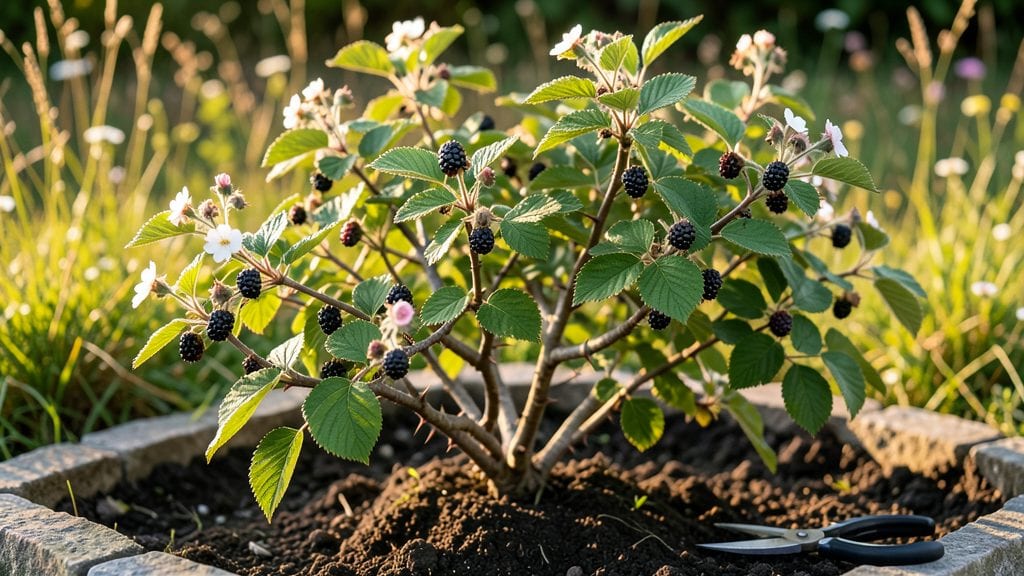
Blackberry bushes are perennial plants that regrow each year from their roots, thriving for 10–20 years with proper care, though some varieties decline after 5–7 years. Their hardiness varies by species, with most surviving in USDA zones 5–9.
Blackberry bushes earn their perennial reputation by sending up new shoots annually from their extensive root systems, which can spread up to 10 feet in ideal conditions. 🌱 The key to their longevity lies in their two-stage growth cycle—primocanes (juvenile canes) produce floricanes the next year, which then bear fruit before dying back.
This cycle repeats as long as the roots remain healthy, making them far more durable than annual plants. Proper pruning in late winter removes old canes while encouraging vigorous new growth, which is why many gardeners report bushes lasting decades with consistent maintenance.
While most blackberries thrive in zones 5–9, some cold-hardy varieties like 'Cheyenne' or 'Thornless Evergreen' can push survival into zone 3 with winter mulching. The secret to extending their lifespan? Well-draining soil rich in organic matter and protection from extreme cold snaps.
I’ve seen neglected bushes revive after years of dormancy when given fresh compost and a thick layer of straw mulch—proof that even older plants can bounce back with the right care.
💡 In This Article
- How Perennial Blackberry Canes Grow and Renew
- Best Blackberry Varieties for Cold Zones and Longevity
How perennial blackberry canes grow and renew
Here's what's actually happening in a blackberry bush's two-stage growth cycle: Primocanes are the vigorous, green shoots that emerge in spring from the roots, growing up to 10 feet tall by summer. These first-year canes store energy in their roots and thicken their stems, preparing for next year's fruit production.
The key factor is their underground root system, which can extend 10–15 feet wide and lives for decades if undisturbed. 🌱 This root network acts like a biological battery, supplying nutrients to new shoots even after above-ground canes die back.
The magic happens when primocanes mature into floricanes—the second-year canes that bear fruit. These older stems develop buds along their length that will become berries, but they only produce fruit once before dying in winter.
What most people don't realize is that each year's primocanes become the next year's floricanes, creating a continuous cycle as long as the roots remain healthy. This dual-cane system explains why blackberries produce such abundant harvests—each bush maintains a balance of young growth and fruiting stems.
Pruning plays a crucial role in this renewal process. The science behind this involves strategic removal of old floricanes in late winter (when they're still dormant) to redirect the plant's energy toward new primocane growth.
I've found that cutting canes back to the ground at this time stimulates root development and prevents disease buildup. Without proper pruning, bushes become overcrowded with unproductive canes, leading to smaller berries and reduced vigor. The right timing—just before new growth begins—is what keeps the cycle running smoothly.
Temperature and dormancy also shape this renewal process. Blackberries enter a period of winter dormancy when temperatures drop below 40°F, allowing their roots to conserve energy. This cold period is essential for breaking dormancy in spring—without it, new shoots may emerge weak or fail entirely.
In colder zones, mulching with 4–6 inches of straw or wood chips insulates roots and protects them from freezing. The root zone should never drop below 20°F for extended periods, or the plant's ability to regenerate will be compromised.
Consider these key factors when managing your blackberry's perennial nature:
- Root health: Healthy roots can support new canes for 15+ years—test soil pH (ideal: 5.5–6.5) and amend with compost annually
- Pruning window: Cut back old canes in late winter (before buds swell) to avoid damaging new growth
- Watering strategy: Deep watering 1–2 times per week during fruiting encourages root expansion
- Winter protection: In zone 5, add 8+ inches of mulch after first hard freeze
The most resilient blackberry bushes I've observed are those with a mix of vigorous primocanes and well-pruned floricanes. The balance between old and new growth ensures continuous fruit production while maintaining the plant's energy reserves.
With proper care, some bushes produce fruit for 20+ years—proof that their perennial nature isn't just theoretical but a practical gardening advantage. 💫