
Pests
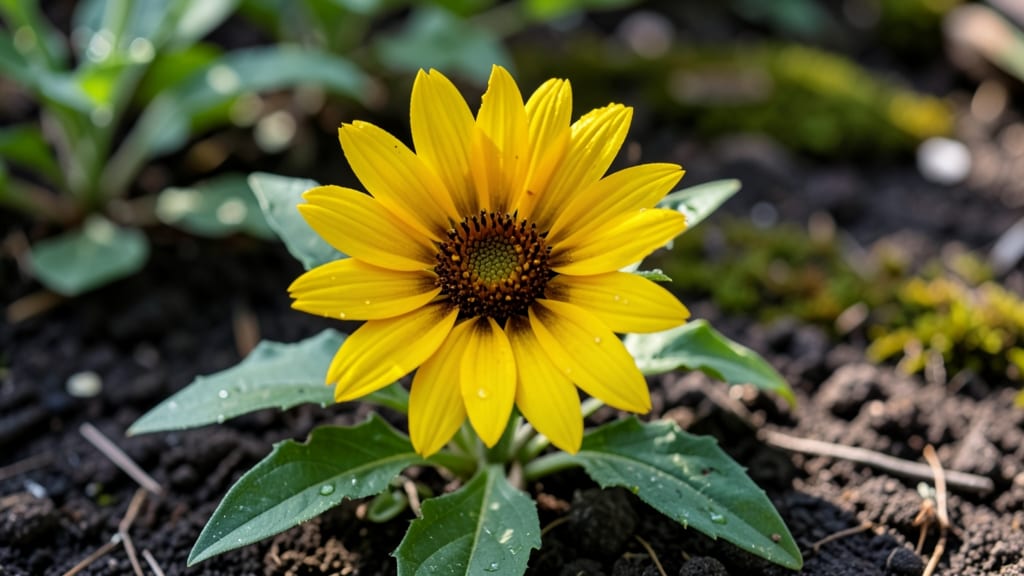
My part-sun deer-resistant perennials list comes from years of watching deer munch through gardens—until I found these tough survivors that bloom beautifully without becoming a buffet. 🌿 These plants don’t just survive; they thrive in 3-6 hours of sunlight daily while keeping deer browsing elsewhere.
What makes this list special? No fussy care, no chemical repellents needed—just hardy plants that multiply over time. Think Russian sage with its lavender spikes, catmint that deer avoid like the plague, or peony roots that deer despise.
Most need only occasional pruning and bloom for weeks, giving you color without constant work.
You’ll end up with a garden that’s both beautiful and functional—fragrant foliage, long-lasting blooms, and zero deer damage. The best part? These plants pair effortlessly with other perennials, creating a low-maintenance landscape that hums with life all season long.
Perfect for shady edges, woodland gardens, or any spot where deer are a problem. Let’s get you planted with these reliable workhorses!
📚 In This Guide
- What you need
- Instructions
- Tips and common mistakes
- Wrapping up and next steps
What you need
- ● Part-sun deer-resistant perennials: 3–5 plants per variety (e.g., Russian Sage, Catmint, Lavender, Coneflower, or Salvia). Choose nursery-grown, 1-gallon pots for easier transplanting.
- ● High-quality potting soil: 2–3 cubic feet (or a 15–20 lb bag) of well-draining, organic soil mix (amend with perlite or compost if your native soil is heavy).
- ● Organic mulch: 2–3 inches of shredded bark, straw, or pine needles to suppress weeds and retain moisture.
- ● Slow-release fertilizer: 10–20 lb bag of 10-10-10 or a balanced organic fertilizer (e.g., fish emulsion or compost tea).
- ● Garden trowel: For digging holes (6–8 inches deep and wide).
- ● Garden gloves: A pair of durable, breathable gloves to protect your hands.
- ● Watering can or hose with nozzle: With a gentle spray setting for watering.
- ● Pruners: Sharp, clean pruners for trimming dead foliage or shaping plants.
- ● Measuring tape or ruler: To ensure proper spacing (check plant tags for guidelines).
- ● Deer repellent spray: Natural options like garlic-based sprays or predator urine (reapply after rain).
- ● Plant supports: Stakes or cages for taller perennials (e.g., Russian Sage).
- ● Drip irrigation kit: For automated watering (great for busy gardeners!).
- ● Companion plants: Marigolds or alliums to further deter deer.
Step-by-Step guide to planting and maintaining part-sun deer-resistant perennials
Here’s how to create a low-maintenance, fragrant garden that deer won’t touch.
🌱 Step 1: Select and Prepare the Planting Site
Choose a location with 3-6 hours of morning or dappled sunlight—this is ideal for part-sun perennials. Deer-resistant varieties like Russian sage, lavender, and catmint thrive in these conditions. Clear the area of weeds and loosen the soil to 6 inches deep using a garden fork. Amend the soil with 2-3 inches of compost to improve drainage and fertility, as deer-resistant perennials often prefer lean, well-draining conditions.
Test the soil’s moisture level by pressing your finger 1 inch deep—it should feel slightly damp but not soggy. If your soil drains poorly, mix in 1 part sand or perlite to 3 parts soil to prevent root rot. Avoid over-fertilizing; deer-resistant plants like yarrow and lamb’s ear grow best in moderate soil conditions.
🪴 Step 2: Plant Perennials at the Correct Depth and Spacing
Dig holes twice as wide as the root ball but only as deep as the container’s base. Gently remove plants from their pots and tease apart any circling roots to encourage outward growth. Place each plant in its hole, ensuring the top of the root ball sits flush with the soil surface—burying too deep suffocates stems, while planting too shallow exposes roots to drying.
Space perennials according to their mature size: 18-24 inches apart for lavender and catmint, 24-36 inches apart for Russian sage and yarrow, and 12-18 inches apart for lamb’s ear and sedum. Press the soil firmly around the base to eliminate air pockets, then water deeply to settle everything. Use 1 gallon of water per plant to ensure roots make full contact with the soil.
☀️ Step 3: Mulch and Water for Establishment
Spread 2-3 inches of mulch (like pine straw or shredded bark) around each plant, keeping it 2 inches away from stems to prevent rot. Mulch conserves moisture, regulates soil temperature, and deters weeds—critical for deer-resistant perennials, which often have slower initial growth. Avoid thick layers, as they can smother young plants.
Water deeply once a week during the first 4-6 weeks, allowing the soil to dry 1-2 inches deep between waterings. You’ll know it’s time to water again when the topsoil feels dry to the touch. Overwatering leads to weak stems and invites fungal diseases, while underwatering stresses plants and makes them more vulnerable to deer browsing.
✂️ Step 4: Prune and Maintain for Long-Term Health
Cut back dead or damaged foliage in early spring before new growth appears. For Russian sage and lavender, trim back one-third of the oldest stems to encourage bushier growth. Avoid heavy pruning in fall, as deer-resistant perennials rely on last year’s growth for winter protection. Use clean, sharp shears to make cuts just above a leaf node or bud.
Apply a light layer of compost in early spring to replenish nutrients without overfeeding. Deer-resistant perennials like yarrow and sedum are drought-tolerant once established, so reduce watering to once every 2 weeks in summer. Watch for yellowing leaves—this often signals overwatering, while brown, crispy edges mean the plants need more moisture.
🌿 Step 5: Monitor and Protect from Pests
Inspect plants weekly for signs of stress, like chewed leaves or wilting. While deer-resistant, some varieties (like catmint) may still attract aphids. Spray affected areas with neem oil or insecticidal soap for organic control. Avoid chemical pesticides, as they can harm beneficial insects and disrupt the garden’s balance.
To further deter deer, plant strongly fragrant herbs like rosemary or thyme near the perimeter. These act as natural repellents while adding texture and scent to your garden. If deer persist, install a physical barrier (like chicken wire) around new plantings until they’re well-established after 1-2 growing seasons.
Tips & tricks for perfect part-sun deer-resistant perennials
Creating a thriving deer-resistant garden takes more than just choosing the right plants—it's about understanding their unique needs and creating the perfect environment for them to flourish.
Soil Preparation is Key: In Step 1, when amending your soil with 2-3 inches of compost, I recommend mixing in a handful of bone meal (optional) for an extra phosphorus boost, which helps root development. For clay-heavy soils, add 1 part sand or perlite to 3 parts soil as instructed, but be careful not to overdo it—too much sand can create drainage issues. The goal is to mimic the lean, well-draining conditions these deer-resistant varieties naturally prefer.
Planting Depth Matters: When placing your plants in Step 2, pay special attention to the top of the root ball sitting flush with the soil surface. I've seen many gardeners bury plants too deep, which can suffocate stems and prevent proper growth. For container-grown plants, gently squeeze the root ball to check for air pockets before planting—this ensures better root-to-soil contact right from the start.
Mulching Strategy: The 2-3 inches of mulch mentioned in Step 3 is perfect for moisture retention, but here's a pro tip: use pine straw or cedar chips instead of bark mulch for added deer deterrence—the strong scent repels them naturally. Keep that 2-inch clearance from stems to prevent rot, and avoid piling mulch against plant bases where it can create moisture traps.
Watering Wisdom: During the critical 4-6 week establishment period, I've found that watering deeply once a week works best, but timing matters. Water in the early morning to allow foliage to dry before evening, which helps prevent fungal diseases. The 1-2 inch dry soil test is foolproof—just press your finger into the soil at the depth of your first knuckle to check moisture levels.
Pro Tips for Part Sun Deer Resistant Perennials
- Creating a thriving deer-resistant garden takes more than just choosing the right plants—it's about understanding their unique needs and creating the perfect environment for them to flourish.
- Soil Preparation is Key: In Step 1, when amending your soil with 2-3 inches of compost, I recommend mixing in a handful of bone meal (optional) for an extra phosphorus boost, which helps root development.
- Planting Depth Matters: When placing your plants in Step 2, pay special attention to the top of the root ball sitting flush with the soil surface.
Frequently asked questions
Got questions about part-sun deer-resistant perennials? You’re not alone!
Here are answers to the most common concerns—from deer deterrence to planting tips—so you can create a low-maintenance, beautiful garden that even hungry critters can’t resist (literally).
What are the best deer-resistant perennials for part sun?
Top picks include Lavender (fragrant and tough), Russian Sage (drought-loving), Catmint (long-blooming), Yarrow (pollinator-friendly), and Hosta (though deer might nibble if hungry). Focus on herbs like Thyme or Oregano for extra deer-deterring power!
Do deer ever eat deer-resistant plants?
Yes—but usually only in extreme hunger or drought. Lamb’s Ear and Salvia are often spared, but no plant is 100% foolproof. Pair these with physical barriers (like fencing) or repellents (garlic spray, soap solutions) for extra protection. Pro tip: Deer avoid strong scents and fuzzy textures!
When’s the best time to plant part-sun perennials?
Plant in early spring (after last frost) or early fall (6 weeks before first frost). This gives roots time to establish before extreme heat or cold. Bare-root plants can go in anytime (just water well), but potted perennials thrive in cooler weather. Mulch after planting to retain moisture!
How do I keep deer away if they’re still bothering my garden?
Try these non-toxic tricks:
- Motion-activated sprinklers (startle them with water!).
- Plant “deer decoys” like Phlox or Daylilies (they’ll snack on these first).
- Use predator urine (coyote or fox) around the garden perimeter.
- Add spiky plants like Russian Sage or Ornamental Grasses (they dislike prickly textures).
Rotate methods seasonally—deer adapt!
Will these perennials survive in hot, dry part-sun spots?
Many deer-resistant perennials thrive in heat, like Lavender, Sedum (stonecrop), and Butterfly Weed. Water deeply once a week (or when soil is dry 2” down) and mulch with gravel or straw to lock in moisture. Drought-tolerant picks need less water but still bloom beautifully!
Wrapping up and next steps
Transforming your garden into a fragrant, low-maintenance haven—without deer damage—is totally within reach! 🌿 With part-sun deer-resistant perennials, you’re not just adding beauty; you’re creating a resilient, wildlife-friendly space that thrives on minimal effort.
From Russian sage to Lavender, these hardy plants prove that stunning gardens can be both practical and pest-proof.
Ready to take the next step? Sketch your garden layout, pick 2-3 favorites from this list, and start planting this season! Whether you’re refreshing a shady corner or expanding your borders, your garden’s future is bright—and deer-free. 🌸