
Light Requirements
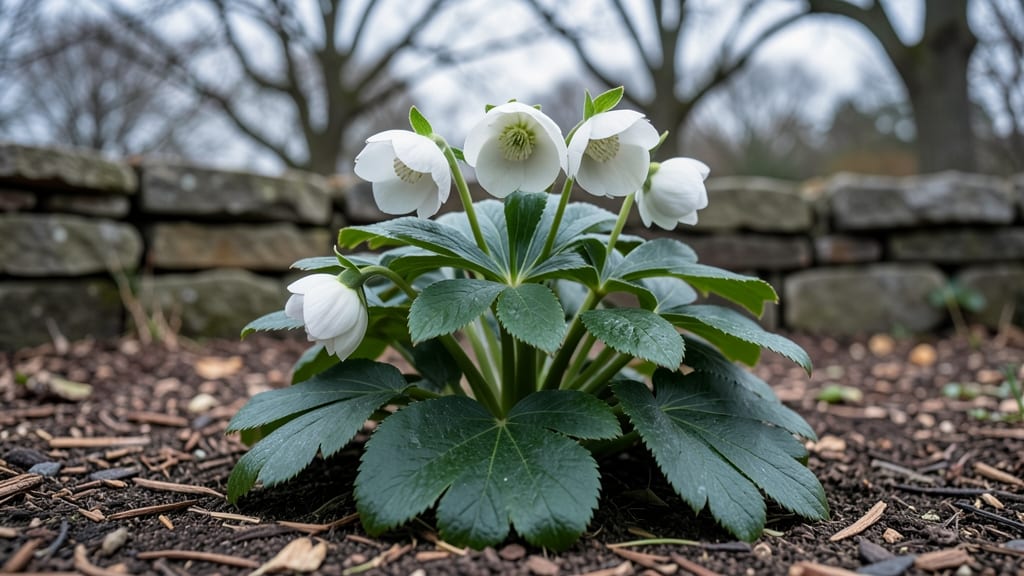
Shade-loving perennials that thrive in low sun are the unsung heroes of any garden. 🌿 I’ve spent years filling shady spots with plants that refuse to fade—from delicate ferns to bold hostas—proving that even the darkest corners can bloom with life.
These perennials don’t just survive; they create lush, vibrant layers that turn neglected areas into thriving retreats.
The best part? They’re low-maintenance once established. Most need only occasional watering after their first year, and their deep roots make them drought-tolerant once settled. You’ll find everything from airy astilbes to dramatic hellebores, all of which bring color, texture, and movement to spaces where sun-loving plants would struggle.
Perfect for under trees, north-facing borders, or woodland gardens, these plants turn shade into an asset.
Imagine a garden where every layer—tall, mid-height, and ground cover—works together seamlessly. These perennials do exactly that, offering year-round interest with minimal effort. Their foliage stays lush even in deep shade, and many bloom in early spring before the canopy closes in.
The result? A garden that feels alive, even when the sun stays away.
Whether you’re designing a new shade garden or refreshing an old one, these perennials adapt effortlessly. Pair them with ferns for texture, add hellebores for winter color, and top with astilbes for summer flair. The possibilities are endless—and your garden will thank you for it.
📚 In This Guide
- What you need
- Instructions
- Tips and common mistakes
- Wrapping up and next steps
What you need
- ● Low-sun perennials: Choose from shade-tolerant varieties like Hostas, Heucheras, Astilbes, Ferns, or Bleeding Hearts (check plant tags for specific light needs). Quantity: 3–5 plants per square foot, depending on desired density.
- ● Well-draining soil: Amend heavy clay or sandy soil with 2–3 inches of compost or peat moss to improve moisture retention and aeration.
- ● Mulch: 2–3 inches of organic mulch (e.g., shredded bark, wood chips, or pine straw) to retain moisture and suppress weeds.
- ● Watering can or hose with a gentle spray nozzle: For deep but infrequent watering (1–1.5 inches per week, adjusting for rainfall).
- ● Garden gloves and kneeling pad: For comfort while planting and weeding.
- ● Pruners or shears: Sharp, clean pruners for trimming dead foliage or shaping plants.
- ● Garden trowel or transplant spade: For digging small holes (6–12 inches deep).
- ○ Soil pH test kit: Optional but helpful—most shade plants prefer slightly acidic to neutral soil (pH 6.0–7.0).
- ● Slow-release fertilizer: Balanced 10-10-10 or organic options (apply sparingly in early spring).
- ○ Drip irrigation system: Optional for automated watering in dry spells.
- ● Plant markers: Label plants if you’re testing multiple varieties.
How to design a thriving low-sun perennial garden
Shade gardens don't have to be dull—here's how I create vibrant, low-maintenance spaces that bloom year after year.
🌿 Step 1: Select the Right Perennials for Your Shade Level
First, determine your shade conditions—is it dappled shade (filtered sun) or deep shade (less than 3 hours of direct sun daily)? For dappled shade, try hostas, astilbes, or lungwort—they tolerate some light while still thriving in cooler conditions. In deep shade, focus on heucheras, ferns, and Japanese painted ferns—these plants evolved to thrive where others struggle.
I always check plant tags for light requirements, but here's the rule I follow: If the plant says "partial shade," it can handle 3-6 hours of sun. If it says "full shade," it needs less than 3 hours. Mixing these creates layers of color and texture that keep your garden interesting even when sunlight is limited.
For a 4-plant design (your servings), I recommend starting with 2 hostas (for height and leaf interest), 1 astilbe (for bold flowers), and 1 fern (for delicate texture). This combo gives you foliage, flowers, and movement—even without much sun.
☀️ Step 2: Prepare the Soil for Moisture-Retentive Growth
Shade-loving perennials often prefer moist, well-draining soil—but not soggy. Amend your existing soil with 2-3 inches of compost (from your materials list) to improve fertility and water retention. I mix it into the top 6 inches of soil, breaking up any compacted areas with a garden fork. This ensures roots can spread easily without sitting in water.
If your soil drains poorly, add a 1-inch layer of perlite or coarse sand to the bottom of planting holes before adding plants. This prevents root rot, which is a common issue in shade gardens where water lingers. Test your soil's moisture by squeezing a handful—it should hold together but not drip water when pressed.
For 4 plants, you'll need to amend about 1 cubic yard of soil (roughly 27 cubic feet). Spread the compost evenly across the area, then lightly rake it in. This step is worth the effort—healthy soil means healthier plants that bounce back from pests or drought.
🌱 Step 3: Plant With Spacing for Future Growth
Dig holes twice as wide as the root ball but only as deep as the container's depth. This prevents burying stems, which can rot over time. Gently remove plants from their pots and loosen any circling roots with your fingers—this encourages them to spread outward in their new home.
Space perennials based on their mature size: hostas need 2-3 feet apart, astilbes 18-24 inches, and ferns 1-2 feet. Planting too close leads to competition for nutrients and air circulation, which invites disease. I always mark the spots with sticks or a garden hose laid out in a curve before digging—this keeps holes evenly spaced.
Backfill the holes with soil, pressing lightly around the roots to remove air pockets. Water deeply right after planting to settle the soil and eliminate gaps. You'll know you've done it right when the soil surface looks slightly firm and the plant stands upright without wobbling.
💧 Step 4: Water and Mulch for Long-Term Success
Water newly planted perennials deeply once a week for the first 4 weeks, ensuring moisture reaches 6 inches down. Shade gardens can dry out slowly, so I use a soaker hose or drip irrigation to deliver water directly to the roots without wetting the foliage—this reduces fungal diseases like powdery mildew.
Once established, most shade perennials need water only when the top 2 inches of soil feel dry. You'll notice this when the leaves look slightly limp in the afternoon, but they perk up in the morning. Overwatering is the biggest mistake in shade gardens—roots need air as much as moisture.
Apply 2-3 inches of mulch (like shredded bark or leaves) around plants, keeping it 2 inches away from stems to prevent rot. Mulch conserves moisture, regulates soil temperature, and suppresses weeds—three major benefits for low-maintenance shade gardens. Replenish mulch annually as it breaks down.
✂️ Step 5: Maintain Through the Seasons
In early spring, remove any dead foliage from the previous year but leave last year's stems on perennials like heucheras or astilbes—they often provide winter interest and protect emerging shoots. Cut back only when you see new growth at the base.
Fertilize lightly in early spring with a balanced, slow-release fertilizer (like 10-10-10). Shade plants don't need much, but a little boost encourages strong foliage and blooms. I scatter granules around the drip line (where water naturally reaches) and water them in—never apply fertilizer directly to stems.
Watch for pests like slugs or aphids, which thrive in damp shade. Handpick slugs at night (they're most active then) or set out beer traps. For aphids, spray plants with a strong stream of water to dislodge them—this works better than chemical sprays and won't harm your plants.
Tips & tricks for perfect low-sun perennial gardens
Creating a thriving shade garden takes more than just picking pretty plants—it's about understanding how these perennials behave in low-light conditions. Here are my go-to strategies for success.
Plant Selection Strategy: In Step 1, when choosing between dappled and deep shade plants, I always opt for one "anchor plant—like a hosta—that can handle both conditions. This gives you flexibility if your shade patterns change over time. For example, a hosta in dappled shade might eventually move into deeper shade as nearby trees grow.
Soil Prep Secret: The 2-3 inches of compost in Step 2 is non-negotiable, but here's what I do differently: I mix in a handful of worm castings (optional but game-changing) with the compost. Worm castings improve soil structure and provide gentle, long-lasting nutrients that shade plants love. Think of it as a vitamin boost for your soil.
Planting Layout Hack: When spacing your plants in Step 3, I recommend adding one small ground cover plant (like creeping Jenny) between your main perennials. This fills gaps naturally, suppresses weeds, and creates that lush, finished look without extra work. Just keep it 6-12 inches apart from your main plants.
Watering Wisdom: The deep watering in Step 4 is crucial, but I've found that watering in the early morning (between 6-9am) gives plants all day to absorb moisture before heat sets in. This is especially important for newly planted perennials—it mimics natural rainfall patterns and prevents fungal issues that come from evening watering.
Pro Tips for Low Sun Perennials
- Creating a thriving shade garden takes more than just picking pretty plants—it's about understanding how these perennials behave in low-light conditions.
- Plant Selection Strategy: In Step 1, when choosing between dappled and deep shade plants, I always opt for one "anchor plant—like a hosta—that can handle both conditions.
- Soil Prep Secret: The 2-3 inches of compost in Step 2 is non-negotiable, but here's what I do differently: I mix in a handful of worm castings (optional but game-changing) with the compost.
Frequently asked questions
Got questions about low-light perennials? You’re not alone! Here are some of the most common concerns—and their easy solutions—to help you grow a thriving shade garden with confidence.
What are the best low-sun perennials for beginners?
Start with hardy, low-maintenance picks like heuchera (coral bells), hostas, or astilbe. These tolerate partial shade, require minimal care, and deliver stunning foliage or blooms. For extra resilience, opt for ferns or foamflower—they’re forgiving and perfect for shadier spots!
How long does it take for low-sun perennials to establish?
Most low-sun perennials take 1–2 years to fully establish, though some like hostas or bleeding heart may show steady growth in their first season. Patience pays off—once rooted, they’ll return year after year with minimal effort! Pro tip: Mulch annually to retain moisture and speed up root development.
Do low-sun perennials need extra watering?
Yes, but not always! Many thrive in consistently moist (not soggy) soil. Heuchera and astilbe love regular watering, while ferns prefer humidity. Key rule: Water deeply 1–2 times per week during dry spells, and always check soil moisture before watering—stick your finger in! If it’s dry 1 inch down, it’s time to hydrate.
Can I grow vegetables or herbs in low-sun areas?
While most veggies need full sun, leafy greens (like lettuce or spinach), bush beans, and green onions tolerate partial shade. For herbs, try cilantro, parsley, or mint—they’re shade-tolerant and perfect for containers. Just expect smaller yields than sun-loving crops.
What’s the best way to prevent pests in low-sun perennials?
Slugs and snails love shade gardens! Prevent them with copper barriers, diatomaceous earth, or beer traps. For aphids or spider mites, blast plants with water or introduce ladybugs. Healthy soil (rich in compost) also boosts plant resilience. Quick fix: Handpick pests early to avoid outbreaks.
What if my low-sun perennials look leggy or sparse?
Leggy growth often means they’re stretching for light. Try thinning crowded plants, dividing overgrown clumps (like hostas), or adding a taller plant nearby to break up harsh light. If soil is poor, amend with compost or a slow-release fertilizer. Bonus: Prune back dead foliage in early spring to encourage fresh growth!
Wrapping up and next steps
Transforming your shady spots into lush, low-maintenance gardens is easier than you think! Low sun perennials like hostas, heucheras, and astilbes prove that shade doesn’t mean sacrificing beauty—just the right plants and a little care.
Whether you’re a seasoned gardener or just starting out, these hardy perennials offer year-round color, texture, and resilience with minimal effort.
Ready to give your garden a shade-friendly glow? Start small—pick 2-3 perennials to test in your space, then expand as you discover what thrives best. Happy gardening! 🌿✨