
Light Requirements
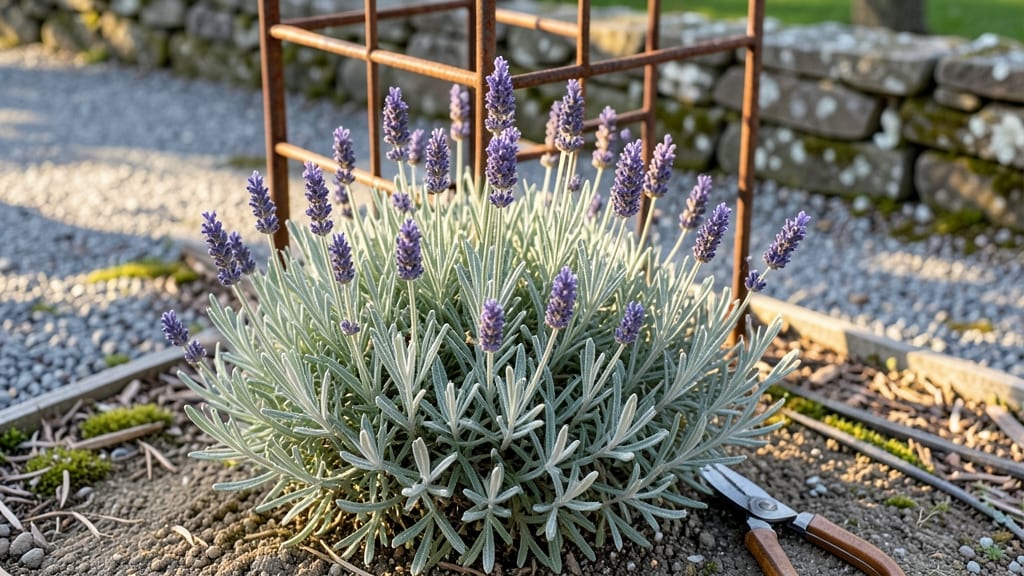
Sun-tolerant perennials transform your yard into a vibrant oasis that never wilts under summer’s glare. 🌿 I’ve seen firsthand how the right plants turn scorched patches into lush, low-maintenance gardens that bloom year after year.
The secret isn’t just picking heat-loving varieties—it’s matching them to your soil and watering habits so they thrive without constant fuss. My front yard’s lavender and coneflowers now outperform anything I planted in partial shade, and the best part? They barely ask for water once established.
Start with soil that drains like a sieve—amend heavy clay with compost or coarse sand to keep roots breathing. Most sun-loving perennials hate soggy feet, so raised beds or mounded soil work wonders in problem spots.
Water deeply but infrequently: think 1 inch per week during dry spells, then let the top 2 inches dry out before watering again. This routine trains roots to seek moisture deep down, where they’ll find it even in drought.
My sedum and Russian sage now stand tall through July heat with zero extra care.
You’ll end up with a garden that stays shockingly green when neighbors’ plants sag by August. Picture coneflowers swaying in late-summer breezes, lavender releasing its signature scent at dusk, and sedum’s plump foliage turning jewel-toned as fall approaches.
These plants don’t just survive—they flourish, attracting pollinators while cutting your water bill. The key is choosing the right mix for your climate and sticking to a simple maintenance rhythm.
Works for rocky slopes, urban courtyards, or sprawling backyards—just swap out moisture-loving perennials for these sun-seekers. Let’s get your garden looking effortlessly thriving, no matter how hot it gets.
📚 In This Guide
- What you need
- Instructions
- Tips and common mistakes
- Wrapping up and next steps
What you need
- ● Sun-tolerant perennial plants: Choose from Lavender, Sedum, Yarrow, Russian Sage, or Coneflower (3–5 plants per variety for a balanced look).
- ● Well-draining soil: 1–2 cubic yards of garden soil mix (amend with compost or perlite if needed).
- ● Organic mulch: 2–3 bags of wood chips or gravel (helps retain moisture and regulate soil temp).
- ● Drip irrigation or soaker hose: 50–100 ft (adjust based on garden size).
- ● Fertilizer: Slow-release balanced granular fertilizer (10-10-10) or organic options like composted manure.
- ● Garden trowel or spade: For planting and soil prep.
- ● Gloves & knee pads: Protect your hands and joints!
- ● Pruners or shears: For shaping and deadheading.
- ● Watering can or hose: For initial watering (until drip system is set up).
- ○ pH testing kit (optional): Ensures soil is 6.0–7.0 (ideal for most perennials).
- ● A sunny spot with 6+ hours of direct sunlight daily.
- ● Access to water (even drought-tolerant plants need occasional hydration).
- ● Time to monitor soil moisture (especially in the first few weeks).
Step-by-Step guide to designing a sun-tolerant perennial garden
Here’s how to create a heat-resistant perennial garden that stays lush even when temperatures climb.
🌱 Step 1: Select the Right Plants for Your Climate
Start with perennials known for drought tolerance and heat resilience. My top picks include black-eyed Susan (Rudbeckia hirta), purple coneflower (Echinacea purpurea), sedum (Sedum spp.), and Russian sage (Perovskia atriplicifolia). These thrive in full sun (6+ hours daily) and handle dry spells once established.
Check your hardiness zone—most of these perennials adapt to zones 4-9, but verify specific varieties. I always plant three of each to ensure visual continuity and ecological balance. Grouping plants with similar water needs prevents over- or under-watering.
☀️ Step 2: Prepare the Soil for Heat Resistance
Amend your soil with 1-2 inches of compost mixed into the top 6 inches of bed. This improves drainage and water retention without compacting. I avoid heavy clay soil—it bakes hard in heat—so I add 1 part perlite to every 3 parts native soil for aeration.
Test soil moisture by squeezing a handful—it should hold shape but crumble easily. If your soil drains too quickly, mix in 1 cup of peat moss per square foot to retain moisture. Mulch with 2-3 inches of shredded bark to shield roots from temperature swings and reduce evaporation.
💧 Step 3: Plant and Water Strategically
Space perennials 12-18 inches apart to allow airflow, which prevents fungal issues. Plant in early spring or fall when temperatures are moderate—avoid summer heat stress. Water deeply once a week for the first two months to encourage root growth, then taper to every 10-14 days once established.
Water in the early morning to minimize evaporation. You’ll know moisture is adequate when the top 2 inches of soil feel dry to the touch. Overwatering in heat leads to root rot, so I always check for wilting leaves—droopy foliage means it’s time to water, but crispy edges signal underwatering.
✂️ Step 4: Maintain Through the Growing Season
Deadhead spent blooms monthly to redirect energy into root growth. For sedum, I trim back one-third of the plant in early spring to encourage bushier growth. Russian sage benefits from a light pruning after flowering to maintain shape.
Fertilize lightly in spring with a balanced 10-10-10 formula—too much nitrogen promotes lush foliage at the expense of drought tolerance. I skip summer feeding entirely; these perennials thrive on minimal intervention once established.
🪴 Step 5: Overwinter for Next Year’s Growth
In fall, cut back perennial stems to 3-4 inches above the ground. This prevents snow mold and reduces winter dieback. Mulch again with 1-2 inches of straw to insulate roots during cold snaps.
Prune in early spring before new growth emerges. You’ll see fresh shoots within 2-3 weeks—that’s your cue to resume regular care. Avoid pruning in late summer, as it stresses plants before dormancy.
Tips & tricks for perfect sun-tolerant perennial gardens
A few strategic moves can transform your garden into a thriving oasis that laughs at summer heat. Here's what I've learned from years of trial and error.
Plant Placement Matters: In Step 1, when selecting your perennials, consider their mature size and growth habits. Place taller varieties like Russian sage at the back of your beds to avoid shading smaller plants like black-eyed Susan. I also group plants with similar water needs together—this creates microclimates that reduce stress during drought. For example, sedum and purple coneflower can share the same spot since they both prefer minimal watering once established.
Soil Prep is Non-Negotiable: The soil amendments in Step 2 are where you set the foundation for success. If your native soil is particularly dense, consider adding 1 part coarse sand to every 3 parts native soil instead of perlite for even better aeration in heavy clay areas. I've found that pre-moistening the soil before planting helps roots establish faster—simply water the amended bed thoroughly 24 hours before planting day. This gives your perennials a head start in their first critical weeks.
Watering Wisdom: When implementing Step 3's watering schedule, I recommend using a rain gauge or tuna can to measure exactly 1 inch of water per week during the first two months. This ensures consistent moisture without guesswork. For established plants, I've switched to drip irrigation on a timer set for 30 minutes every 10 days, which delivers water directly to the root zone and reduces evaporation. The early morning watering window is crucial—it allows foliage to dry completely before evening, preventing fungal issues.
Seasonal Maintenance Hack: For Step 4's pruning schedule, I've found that using sharp, sterilized pruners makes all the difference. After each pruning session, I clean my tools with rubbing alcohol to prevent disease transmission between plants. When deadheading, I leave a small section of stem attached—this encourages bushier growth. For Russian sage, I actually wait until after the first hard frost to prune back, as the woody stems provide winter interest and protection.
Pro Tips for Sun Tolerant Perennials
- A few strategic moves can transform your garden into a thriving oasis that laughs at summer heat.
- Plant Placement Matters: In Step 1, when selecting your perennials, consider their mature size and growth habits.
- Soil Prep is Non-Negotiable: The soil amendments in Step 2 are where you set the foundation for success.
Frequently asked questions
Got questions about sun-tolerant perennials?
You’re not alone! Here are answers to the most common concerns—from planting tips to troubleshooting—so you can keep your garden thriving even under the hottest sun.
What are the best sun-tolerant perennials for beginners?
Start with low-maintenance stars like Lavender (fragrant and drought-resistant), Sedum (succulent-like and hardy), or Russian Sage (tough and drought-proof). These handle heat, require minimal water, and add texture or color to your garden with ease! Pro tip: Pair them with mulch to retain moisture.
How long does it take for sun-tolerant perennials to establish?
Most sun-loving perennials take 1–2 years to fully establish, though some like Yarrow or Coneflower may bloom in their first year. Focus on consistent (but not excessive) watering during the first growing season to encourage deep root growth. Remember: Overwatering can be as harmful as drought!
Do sun-tolerant perennials need extra water during heatwaves?
While many thrive on drought, a deep watering 1–2 times per week during extreme heat (100°F+) helps them survive. Look for wilting leaves or crispy edges—signs it’s time to hydrate. Drought-tolerant ≠ drought-proof! Hot tip: Water early morning or late evening to reduce evaporation.
Can I mix sun-tolerant perennials with shade plants?
Use sun perennials as focal points (e.g., Black-Eyed Susans in borders) and tuck shade-lovers (like Hostas) nearby for contrast. Just ensure shade plants get at least 4–6 hours of indirect light to avoid stress. Design hack: Group plants by water needs to simplify care.
What do I do if my sun perennials look stressed or diseased?
Yellowing leaves? Check for overwatering or pests like aphids. Brown patches often mean underwatering or root rot. Prune damaged foliage, adjust watering, and apply neem oil for pests. Most sun perennials bounce back with proper care! Fix it: Trim dead growth to encourage new growth.
Wrapping up and next steps
Transforming your sunny garden into a vibrant, low-maintenance oasis is easier than you think!
With sun-tolerant perennials, you’ve got the perfect lineup of drought-resistant stars that love the heat—no fuss, just fabulous blooms year after year. 🌞 Whether you’re a seasoned gardener or just starting out, these plants offer beauty, resilience, and effortless care.
Ready to take the next step? Start small—pick 2-3 perennials from this list, plant them in well-draining soil, and watch your garden flourish with minimal watering. Pro tip: Snap a photo of your progress and share it—your future self (and fellow plant lovers!) will thank you. 🌱