
Lawn
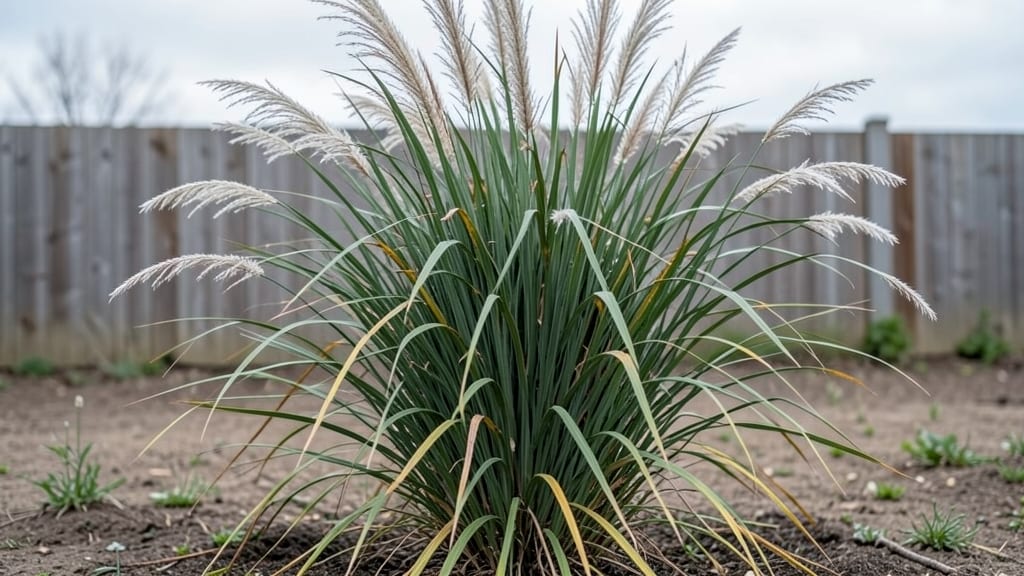
Transforming your yard into a wind-swept masterpiece starts with planting pampas grass perennial, the architectural star that thrives on neglect while delivering dramatic flair. 🌿 I’ve watched mine sway through winters, still holding its feathery plumes when most plants have gone dormant—proof that beauty doesn’t require constant attention.
The secret lies in its love of sun, well-draining soil, and a single annual prune to keep it looking sharp.
This grass isn’t picky about soil as long as it drains well—sandy loam or clay amended with compost works perfectly. Plant in full sun for the best plumes, and space them 4-6 feet apart to give those feathery fronds room to billow.
In zones 8-11, it’s evergreen; in cooler climates, it dies back but returns with vigor each spring. The key? Avoid soggy soil, and you’ll have a plant that outlasts trends.
By late summer, you’ll be rewarded with 3-6 foot tall clouds of silvery-white or pinkish blooms that catch the light like a beacon. Prune back the old growth in early spring, and watch new shoots emerge—no fertilizing required.
This is the plant for gardeners who want drama without the fuss of deadheading or staking. Even deer tend to leave it alone.
Perfect for borders, mass plantings, or as a standalone statement piece, pampas grass brings texture and movement to any landscape. Just remember: the bigger the space, the more it shines. Let’s get yours planted for a show that lasts all year.
📚 In This Guide
- What you need
- Instructions
- Tips and common mistakes
- Wrapping up and next steps
What you need
- ● Pampas grass plants: Choose between C. giganteus (tall, fluffy) or C. decumbens (spreading, low-growing). Buy 3–5 plants for a full look.
- ● Well-draining soil: Amend heavy clay with compost or perlite (1 part soil to 1 part amendment). Test pH (ideal: 6.0–7.5).
- ● Sunlight: Full sun (6+ hours/day) for optimal growth.
- ● Water: 1–2 gallons per plant during the first 2 weeks post-planting.
- ● Garden trowel or shovel (for digging holes 2x wider than the root ball).
- ● Pruning shears (to trim dead foliage or shape plants).
- ● Garden gloves (pampas grass has sharp edges!).
- ○ Mulch (optional): 2–3 inches of pine bark or shredded leaves to retain moisture.
- ○ Stakes or cages (optional): For windy areas, use bamboo stakes to support tall varieties.
Step-by-step instructions for planting and maintaining pampas grass
Here's how to establish this drought-tolerant stunner with minimal effort.
🌱 Step 1: Choose the Perfect Planting Location
Pampas grass thrives in full sun—that means 6+ hours of direct sunlight daily. Look for a spot where it can bask in morning light and afternoon rays without afternoon shade cutting in. I always check the site for at least 8 hours of sun exposure to ensure those signature plumes reach their full, dramatic potential.
This grass tolerates poor soil but performs best in well-draining mixes. If your soil compacts easily or stays soggy after rain, amend it with 2-3 inches of compost mixed into the top 12 inches of soil. You'll see the difference in how vigorously the roots spread within the first growing season.
🪴 Step 2: Plant at the Right Depth and Spacing
Dig a hole twice as wide as the root ball but only as deep as the container it came in. Gently remove the plant from its pot and loosen any circling roots with your fingers—this encourages outward growth instead of root-bound circles. Place the plant in the hole so the top of the root ball sits 1 inch below soil level.
Space plants 6-8 feet apart for mature size. That might seem excessive, but pampas grass grows aggressively—crowding leads to weak stems and sparse plumes. Backfill with native soil, tamping gently to remove air pockets. Water deeply right after planting to settle everything in place.
☀️ Step 3: Water Deeply but Infrequently
Pampas grass is famously drought-tolerant once established, but new plants need consistent moisture. Water once weekly for the first month until the soil 6 inches deep feels moist. After that, cut back to every 2-3 weeks unless your area experiences extreme heat or prolonged dry spells.
You'll know it's time to water when the soil surface looks dry and the grass begins to droop slightly. This plant stores water in its thick stems, so wilting is normal before watering. Avoid overhead watering—it encourages fungal issues. Instead, water at the base with a soaker hose or drip irrigation for cleaner growth.
✂️ Step 4: Prune for Health and Shape
Cut back old plumes in late winter or early spring before new growth begins. Use clean, sharp pruners to trim the stems down to 6-12 inches tall. This prevents seed heads from spreading and keeps the plant looking tidy. I always wear gloves—those plumes can be scratchy!
Remove any dead or damaged foliage throughout the year. Healthy pampas grass has arching stems with vibrant green leaves. If you notice brown patches or mushy stems, that's a sign of overwatering or poor drainage. Trim those areas out immediately to prevent spread.
🌿 Step 5: Fertilize Lightly for Best Results
Apply a balanced 10-10-10 fertilizer in early spring when new growth appears. Use half the recommended rate—pampas grass doesn't need much to thrive. Spread the granules evenly over the root zone and water deeply to activate them. You'll see stronger stems and fuller plumes by midsummer if you fertilize at this stage.
Skip fertilizing in fall or winter—this plant goes semi-dormant in cooler months. Too much fertilizer then leads to weak growth and poor winter hardiness. Mulch lightly with 2 inches of shredded bark in late fall to protect roots from temperature swings.
Tips & tricks for perfect pampas grass planting
These simple strategies will help you cultivate showstopping pampas grass with minimal effort and maximum impact.
Sunlight Secret: While 6+ hours of sunlight is ideal, aim for that 8-hour mark for truly dramatic plumes. I've noticed the most lush growth when plants receive morning sun and afternoon light without midday shade blocking. If your yard has afternoon shade, consider placing plants where they'll catch the morning sun instead.
Root Development Hack: The 2-3 inches of compost in the top 12 inches of soil makes all the difference for root vigor. I like to mix in a handful of perlite or coarse sand for extra drainage—this prevents waterlogging that can rot those thick stems. Think of it as giving your pampas grass a spa treatment for its roots!
Pruning Timing Tip: That late winter or early spring pruning window is crucial for preventing seed spread. I've learned the hard way that cutting too early can damage emerging growth, while waiting too long means those seed heads will spread everywhere. Aim for when you can see new green shoots emerging but before they've grown more than 2 inches.
Watering Wisdom: The once weekly for the first month rule is non-negotiable for new plants. After that, let the soil dry completely between waterings—this toughens up the roots. I test moisture by sticking my finger 6 inches deep; if it feels dry, it's time to water. The wilting you see is normal and actually helps the plant develop drought tolerance.
Pro Tips for Pampas Grass Perennial
- These simple strategies will help you cultivate showstopping pampas grass with minimal effort and maximum impact.
- Sunlight Secret: While 6+ hours of sunlight is ideal, aim for that 8-hour mark for truly dramatic plumes.
- Root Development Hack: The 2-3 inches of compost in the top 12 inches of soil makes all the difference for root vigor.
Frequently asked questions
Got questions about keeping your pampas grass perennial thriving? You’re not alone!
Here are answers to the most common queries—from planting to winter care—so you can enjoy its dramatic beauty with confidence.
How often should I water pampas grass?
Once established (after 1–2 years), pampas grass is drought-tolerant and needs watering only during prolonged dry spells (every 2–4 weeks). In the first year, water deeply 1–2 times per week to encourage root growth. Overwatering leads to root rot—so let the soil dry out between waterings!
Does pampas grass survive winter?
Yes! Native to South America, pampas grass thrives in USDA Zones 7–11 and handles frost. In colder climates (Zones 5–6), mulch heavily or wrap the crown in burlap to protect it. The foliage may brown but regrows in spring. Pro tip: Cut back dead fronds in early spring for a fresh start!
Can I grow pampas grass in containers?
Choose a large pot (at least 18" wide) with drainage holes and use well-draining soil. Repot every 2–3 years to refresh nutrients. Containers dry out faster, so monitor soil moisture closely. Bonus: Pampas grass adds vertical drama to patios and balconies!
Is pampas grass invasive or harmful to pollinators?
While not invasive in most regions, pampas grass can spread aggressively if not contained. It’s not toxic but produces allergenic seeds that may irritate sensitive skin or allergies. To help pollinators, plant companion flowers nearby (like lavender or salvia) for nectar-rich alternatives.
What’s the best way to propagate pampas grass?
Divide mature clumps in early spring or fall for easy propagation. Dig up the plant, separate the roots gently, and replant divisions 3–4 feet apart. Warning: Wear gloves—those feathery plumes can be scratchy! Alternatively, save seeds (though they may not retain parent traits).
Why is my pampas grass turning brown?
Brown fronds are usually normal in winter, but yellowing or wilting signals overwatering or root rot. Check these fixes:
- Ensure soil drains well (amend with sand if needed).
- Trim dead sections with sterilized shears.
- Reduce watering if soil stays soggy.
Wrapping up and next steps
Pampas grass perennials are the ultimate low-maintenance, high-impact addition to any landscape—offering year-round beauty with minimal effort! Whether you're drawn to their dramatic plumes or drought-resistant charm, this versatile plant delivers effortless elegance for gardens of all sizes.
Ready to elevate your outdoor space? Start by selecting the right variety for your climate, then plant with confidence—your garden will thank you with lush, wind-swept grace! 🌿✨