
Pests
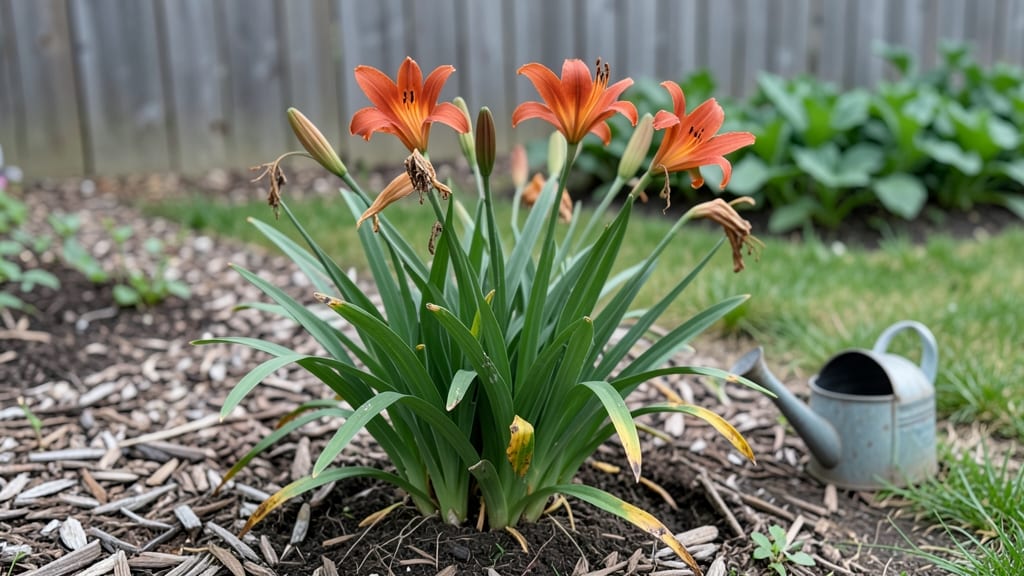
Non-toxic perennials aren't just safe—they're the unsung heroes of family-friendly gardens. 🌿 I learned this the hard way when my curious pup nearly made a meal out of a hosta, only to spend the night miserable.
These plants look stunning while keeping pets, kids, and pollinators happy, with zero chemical drama.
Think lavender for drought-proof purple spikes that repel mosquitoes naturally, coneflowers that attract bees while standing up to deer, or heuchera with its jewel-toned foliage that thrives in shade. Most need minimal fuss—just good soil and occasional pruning—and they multiply year after year, crowding out weeds while looking intentional.
The best part? You can mix them into borders, pollinator patches, or even edging where safety matters most.
By summer, you'll have a garden that's vibrant, functional, and worry-free—no more second-guessing which plants are safe near the sandbox or dog bed. These perennials handle heat, humidity, and neglect better than many annuals, and they come back stronger every spring.
The trade-off? Zero toxic surprises when little hands or paws explore.
Works equally well in sunny borders, shady woodland gardens, or even container arrangements for patios. Let's design a space that's as kind to wildlife as it is to your family—without sacrificing beauty or ease. Here's how to start planting with confidence.
📚 In This Guide
- What you need
- Instructions
- Tips and common mistakes
- Wrapping up and next steps
What you need
- ● Non-toxic perennial plants: Choose from 5–10 varieties (e.g., lavender, marigolds, catmint, or Russian sage). Aim for 3–5 plants per square foot for dense coverage.
- ● High-quality potting soil: 2–3 cubic yards (for in-ground planting) or 10–15-gallon bags (for containers). Opt for organic, pesticide-free mix.
- ● Compost or organic fertilizer: 1–2 bags (5–10 lbs each) to enrich soil and support growth.
- ● Mulch: 1–2 bags of wood chips or straw (1–2 cubic feet) to retain moisture and deter weeds.
- ● Garden gloves (1 pair) – Waterproof and breathable for comfort.
- ● Hand trowel or transplant spade – For digging small holes (6–8 inches deep).
- ● Garden fork or spade – For turning soil (18–24 inches deep).
- ● Watering can or hose with nozzle – Adjustable spray setting for gentle watering.
- ● Pruning shears – For trimming plants as they grow.
- ● Plant markers (biodegradable or reusable) to label varieties.
- ● Drip irrigation kit for low-maintenance watering.
- ● Organic pest deterrents (e.g., neem oil spray) for preventative care.
- ● Container pots (10–15 gallons) if planting in raised beds or small spaces.
How to design a humane, pest-repelling perennial garden
Here's how to create a resilient border that deters pests naturally while thriving year after year.
🌱 Step 1: Select the Right Non-Toxic Perennials for Your Climate
Choose plants that thrive in your USDA hardiness zone and repel pests through scent or texture. I always prioritize lavender (deters mosquitoes and moths), catmint (keeps deer and rabbits away), and feverfew (natural rodent deterrent). These perennials grow well in full sun to partial shade and require minimal maintenance once established.
For shadier spots, hostas (resistant to slugs when paired with garlic chives) or heuchera (deer-resistant with bold foliage) work beautifully. I avoid overcrowding—space plants 12-24 inches apart depending on mature size, which prevents competition for nutrients and reduces disease risk.
💧 Step 2: Prepare the Soil for Long-Term Health
Test your soil’s pH—most non-toxic perennials prefer 6.0-7.0. Amend with 2-3 inches of compost mixed into the top 6 inches of soil to improve drainage and microbial activity. I swear by worm castings for gentle, nutrient-rich enrichment without chemical burn.
For heavy clay soils, blend in 1 part perlite to 3 parts native soil to prevent compaction. Water deeply after planting to settle the roots—1 inch per week is ideal, adjusting for rainfall. Mulch with 2-3 inches of shredded bark to retain moisture and deter weeds, which compete with your pest-repelling plants.
☀️ Step 3: Plant Strategically for Maximum Pest Deterrence
Arrange plants in layers: tall perennials like Russian sage (deters beetles) at the back, medium-height coneflowers (repel Japanese beetles) in the middle, and ground covers like creeping thyme (deer-resistant) in front. This creates a natural barrier while supporting biodiversity.
Plant garlic or chives near roses to deter aphids—these alliums release sulfur compounds that pests avoid. I always include bee balm near seating areas; its strong scent masks human odors while attracting pollinators that prey on garden pests like squash bugs.
✂️ Step 4: Maintain with Minimal, Humane Care
Prune dead foliage in early spring before new growth appears to prevent fungal diseases. I use clean, sharp shears to avoid tearing stems, which invites pests. For invasive spreaders like mint, contain them in buried root barriers—this keeps them from taking over while still repelling ants.
Water early in the morning to reduce fungal pressure. Avoid wetting leaves when possible—drip irrigation or soaker hoses work best. Fertilize lightly in early spring with fish emulsion (1-2-2 ratio) to support growth without chemical residues that harm pollinators.
🪴 Step 5: Monitor and Adjust for Long-Term Success
Check plants weekly for early signs of stress—yellowing leaves often mean overwatering, while crispy edges signal underwatering. I keep a garden journal to track which perennials thrive and which need replacing. Swap out underperformers with more resilient varieties like bee balm or shasta daisies for better pest control.
Rotate crops annually if growing edibles nearby—this prevents soil-borne pests from building up. For example, move fennel (deters cabbage moths) to a new spot each year. The key is diversity: a mix of scents and textures confuses pests and supports a balanced ecosystem.
Tips & tricks for perfect non-toxic perennial gardens
Creating a thriving, pest-repelling perennial garden takes more than just planting the right species—it’s about understanding their unique needs and strategic placement. Here’s what I’ve learned after years of trial and error to ensure your garden flourishes without toxic interventions.
Layering for Maximum Effect: In Step 3, when arranging your layered design, I can’t stress enough the importance of height differentiation. The tall Russian sage should stand at least 3 feet behind the medium-height coneflowers, which in turn should be 18-24 inches above the creeping thyme ground cover. This vertical stratification creates a natural pest barrier while maximizing sunlight exposure for each layer. Think of it like a living fortress where pests can’t easily navigate through to reach your prized plants.
Soil Preparation Secrets: While Step 2 recommends a 6-inch deep soil amendment, I’ve found that for heavy clay soils, you might need to go even deeper—up to 8 inches—to fully break up compaction. The key is to work the perlite mixture into the soil until it feels light and crumbly, almost like cake batter. This ensures proper drainage while maintaining moisture retention. I test soil moisture by squeezing a handful—it should hold together but not be soggy.
Pest-Repelling Plant Pairings: The instructions mention planting garlic or chives near roses, but you can take this a step further. I pair lavender with rosemary near seating areas—their combined scent deters mosquitoes while creating a fragrant retreat. For vegetable gardens, interplant basil with tomatoes to repel whiteflies, and marigolds with cucumbers to deter squash bugs. These combinations create a symbiotic relationship where both plants benefit from each other’s pest-repelling properties.
Maintenance Calendar: Step 4’s early spring pruning is crucial, but I’ve created a simple maintenance schedule that keeps my gardens thriving year-round. In late winter, I remove all dead foliage and apply a fresh layer of mulch. During summer months, I increase watering to 1.5 inches per week during dry spells, and in fall, I add a light layer of compost to replenish nutrients. This seasonal approach prevents stress and keeps pests at bay naturally.
Pro Tips for Non Toxic Perennials
- Creating a thriving, pest-repelling perennial garden takes more than just planting the right species—it’s about understanding their unique needs and strategic placement.
- Layering for Maximum Effect: In Step 3, when arranging your layered design, I can’t stress enough the importance of height differentiation.
- Soil Preparation Secrets: While Step 2 recommends a 6-inch deep soil amendment, I’ve found that for heavy clay soils, you might need to go even deeper—up to 8 inches—to fully break up compaction.
Frequently asked questions
Got questions about non-toxic perennials? You’re not alone! Here are answers to the most common concerns—so you can plant with confidence and keep your garden (and critters) safe.
What are the easiest non-toxic perennials for beginners?
Start with lavender, mints, or bee balm—they’re hardy, low-maintenance, and naturally repel pests like mosquitoes and rabbits. Russian sage and catmint are also great choices for drought-tolerant gardens. Just avoid overwatering, and they’ll thrive with minimal fuss!
Will these plants actually keep pests away, or do I still need chemical sprays?
Yes! Perennials like fennel, garlic chives, and marigolds are proven to deter pests with their strong scents. For tougher critters (e.g., deer), combine plants like yarrow or thyme with physical barriers like fencing. No sprays needed—just let nature do the work!
How long does it take for non-toxic perennials to establish and start repelling pests?
Most perennials take 1–2 growing seasons to fully establish roots and reach their pest-repelling potential. In the meantime, plant them close to vulnerable crops (like herbs near veggies) to maximize early benefits. Patience pays off—stronger plants = better protection!
Can I use non-toxic perennials in containers or small spaces?
Compact varieties like dwarf lavender, thyme, or nasturtiums thrive in pots and deter pests without taking up space. Just ensure containers have drainage holes and use lightweight, well-draining soil. Bonus: Container gardens are easier to rotate if pests adapt!
Are there any non-toxic perennials that also attract beneficial insects?
Yes! Coneflowers, black-eyed Susans, and milkweed lure pollinators like bees and ladybugs while repelling pests. These dual-purpose plants create a balanced ecosystem—less work for you, more harmony in your garden. Win-win!
What do I do if pests still invade despite using non-toxic perennials?
First, assess the damage: Are pests chewing leaves (cabbage moths) or digging roots (grubs)? Try neem oil or soapy water sprays for localized issues. If needed, rotate plants or add companion varieties (e.g., basil near tomatoes). Persistence is key—adjust your strategy as you learn!
Wrapping up and next steps
Transforming your garden into a toxic-free sanctuary is easier—and more rewarding—than you think! By choosing non-toxic perennials, you’re not just repelling pests humanely; you’re creating a thriving ecosystem that benefits both your plants and the wildlife around you. 🌿✨
Ready to take the next step? Start by selecting 1-2 perennials from this list and plant them near problem areas—your garden (and your conscience) will thank you. Happy gardening! 🌱💚