
Flowers
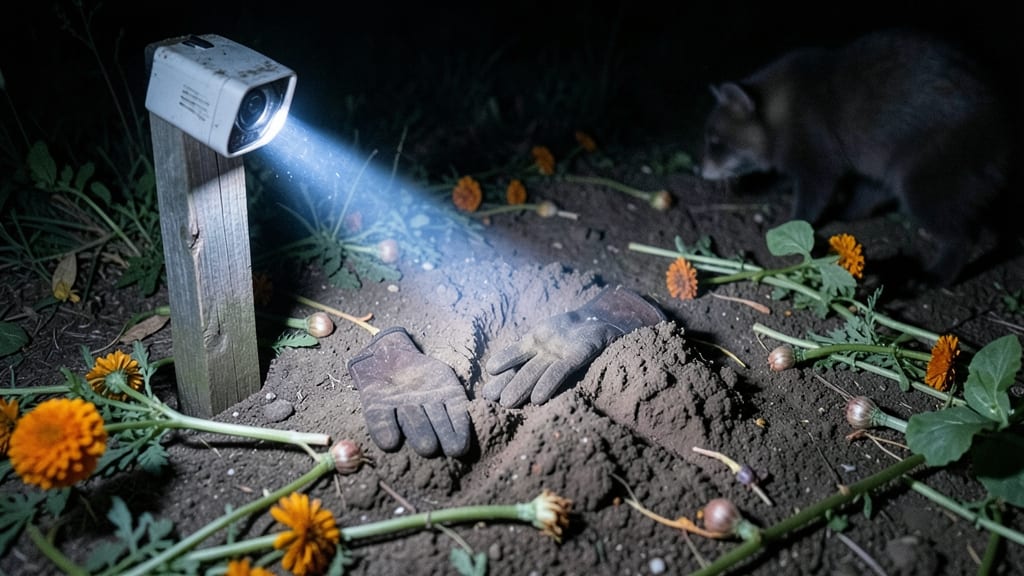
What is digging in my flower bed at night is a question every gardener dreads—especially when you stumble upon fresh chaos at dawn. 🌙 I’ve spent years tracking down these nocturnal troublemakers—from raccoons tearing up bulbs to moles tunneling beneath the surface—and I’m sharing how to identify them without the guesswork. The clues are in the damage: raccoons leave scattered debris and half-dug holes, while moles create neat, winding tunnels. Grubs chew roots silently, leaving wilting plants as their calling card. Each leaves a different signature, and knowing the difference means you can target solutions that actually work. You’ll walk away with humane deterrents that protect your plants and the local wildlife—think motion-activated lights, castor oil repellents, and simple barriers that outsmart pests without harming them. No more waking up to a flower bed that looks like a construction site. This works for city gardens, suburban yards, and rural plots alike. Let’s get your beds back to blooming—without the midnight raiders.
Nocturnal Diggers Unmasked
If you’ve ever stumbled upon fresh soil mounds or disturbed flower beds at dawn, you’re not alone—your garden has a secret nighttime visitor. Understanding why these creatures dig is the first step to identifying and addressing the issue.
Below, we break down the most common culprits and their motivations, backed by science and actionable insights.
Raccoons are notorious for their dexterous paws and insatiable curiosity. They dig in flower beds primarily for three reasons:
- Food hunting: Raccoons use their front paws to flip over rocks, leaves, and soil in search of grubs, worms, insects, and even small rodents. Their tactile foraging (using touch to locate prey) makes them efficient nighttime excavators. 🦋🔍
- Pro tip: If you spot overturned mulch or scattered debris, raccoons are likely the culprits.
- Cache recovery: These clever critters often bury food (like nuts or fruit) to eat later. If they forget where they hid their stash, they’ll dig randomly until they find it—a behavior called spatial memory lapses. 🧠🌰
- Territorial marking: Raccoons scratch and dig to leave scent marks, especially during mating season (spring and fall). The deeper the hole, the stronger the message to rivals. 🚫💨
Science note: Raccoons are nocturnal omnivores, meaning they’re most active at night to avoid predators like coyotes and owls. Their digging is a survival strategy honed over millennia.
While you might not think of pets as garden pests, stray or feral dogs and cats often dig in flower beds for:
- Boredom or anxiety: Dogs, especially high-energy breeds, may dig to self-soothe or relieve stress. Cats dig to create comfortable, scent-marked resting spots—a behavior rooted in their wild ancestors’ need for hidden dens. 😾🛌
- Pro tip: Look for claw marks or shallow, irregular holes near fences or entry points.
- Hunting instinct: Cats dig to flush out insects, small prey (like mice), or even to bury uneaten food. Their pouncing and scratching can mimic the chaos of a raccoon’s work but is usually more localized. 🐭💥
- Territory patrol: Both animals dig to mark boundaries, especially if they sense other animals (or humans) nearby. 🏷️🚧
Science note: Domestic cats retain 90% of their wild instincts, including digging to create safe spaces. Dogs, meanwhile, may dig due to separation anxiety or learned behaviors from outdoor time.
Armadillos are the heavy machinery of the nocturnal digging world. Their long, powerful claws and snouts are built for one purpose: digging up insects. Here’s why they turn your flower bed into a construction site:
- Insect buffet: Armadillos have a voracious appetite for grubs, ants, and beetle larvae. They can dig up to 15 holes per minute, each 12 inches deep, to access their favorite snacks. Their sensitive snouts detect vibrations from underground prey. 🐜💥
- Pro tip: Armadillo holes are perfectly round (like a golf ball) and often clustered in one area.
- Moisture-seeking: Armadillos dig in damp soil to find water or soft earth, which makes their digging easier. If your flower bed has a high water table or is near a leak, you’ll see more activity. 💦🌧️
- Mating season mayhem: During breeding season (spring and early summer), males dig aggressively to locate females or establish dominance. The holes become deeper and more frequent. 💑🔥
Science note: Armadillos are solitaries and dig primarily for food, not shelter. Their digging can aerate soil (which is good for plants) but can also damage roots if overdone.
Skunks dig for two main reasons: food and shelter. Their digging habits are less about destruction and more about survival:
- Grub and worm feasts: Skunks are insectivores and will dig up to 12 inches deep to access larvae, grubs, and worms. Their strong sense of smell (1,000x better than humans’) helps them locate hidden prey. 🐛👃
- Pro tip: Skunk holes are often shallow and messy, with soil scattered around like a frisbee.
- Den preparation: Skunks dig burrows (3–4 feet deep) to raise their young or escape predators. They prefer loose, well-drained soil, which is why flower beds are prime real estate. 🏠👶
- Territorial defense: Skunks dig to create escape routes or mark their territory with scent glands. A sudden increase in digging? It might mean a new skunk has moved in. 🚨💨
Science note: Skunks are crepuscular (most active at dawn/dusk) but will dig at night if food is scarce. Their digging is methodical, not frantic like a raccoon’s.
While moles and voles are often confused, their digging motives are very different:
🦊🔨 Moles: The Soil Aerators
- Insect control: Moles dig shallow tunnels (2–4 inches deep) to hunt for earthworms, grubs, and insects. Their high metabolism requires them to eat up to 70% of their body weight daily, leading to constant digging. 🐛🍽️
- Pro tip: Molehills are volcano-shaped with a central hole—unlike armadillos, which leave clean, round holes.
- Territory expansion: Moles dig to map their underground kingdom, creating a network of tunnels to avoid predators and conserve energy. 🗺️🏰
🐭🏗️ Voles: The Root Munchers
- Plant buffet: Voles dig shallow, irregular tunnels (1–2 inches deep) to gnaw on roots, bulbs, and stems. Their digging is a byproduct of their herbivorous diet, not a primary food source. 🌱🦷
- Pro tip: Vole damage looks
Stop Nighttime Garden Invaders
Discovering mysterious digging in your flower bed at night can feel like a midnight mystery—but the good news is, most culprits have predictable habits and solutions. Below, we’ll match each likely suspect to a practical, humane fix, plus tips to keep your garden safe long-term.
Why they’re digging: Raccoons are nocturnal scavengers with dexterous paws. They uproot plants to uncover grubs, dig for roots, or rummage through trash (yes, even your compost bin).
How to fix it:
- 🔥 Block access: Install a hardware cloth barrier (¼-inch mesh) around garden edges, burying it 12 inches deep to deter digging.
- 🍳 Remove food sources: Secure trash cans with bungee cords or lids, and avoid leaving pet food outside.
- 👨🍳 Use deterrents: Motion-activated lights or a radio tuned to talk shows (raccoons hate static noise) near the garden can scare them off.
- 🥘 Try humane traps: If safe, use a live trap (check local laws) to relocate them—never harm them, as they’re protected in many areas.
💡 Pro tip: Raccoons love water. Place a shallow dish of peppermint oil-soaked cotton balls near their entry points—they’ll avoid the scent.
Why they’re digging: These critters create burrows for nests or cache food. Squirrels may also dig to bury acorns or raid bulbs.
How to fix it:
- 🔪 Install mesh barriers: Cover vulnerable areas with hardware cloth (not chicken wire—it’s too easy to chew through).
- ⏰ Set out decoys: Place fake owls or snakes near the garden (move them weekly to stay effective).
- 🌡️ Use repellents: Sprinkle hot pepper wax (mix cayenne pepper + wax) around the edges—the spicy scent deters them.
- 🎯 Secure food sources: Store birdseed in metal containers and avoid leaving fallen fruit on the ground.
💡 Pro tip: Plant daffodils or alliums—their bulbs are toxic to squirrels, and the scent repels them naturally.
Why they’re digging: Armadillos have strong claws and dig for grubs, insects, and larvae. Their holes are wide (6+ inches) and often have a fan-shaped mound of dirt.
How to fix it:
- 🔥 Fill holes immediately: Armadillos will return to the same spot. Cover fresh holes with wire mesh or a board until you can relocate them.
- 👨🍳 Use humane relocation: Contact a wildlife rehabilitator—armadillos are protected in many states. Avoid traps unless licensed.
- 🥘 Reduce grubs: Apply beneficial nematodes to your soil to eliminate their food source (grubs).
- 🌡️ Try vinegar spray: Soak a rag in undiluted white vinegar and place it near holes—the strong smell can deter them.
💡 Pro tip: Armadillos avoid citrus peels—scatter them around the garden edges for a natural repellent.
Why they’re digging: Pets may bury toys, mark territory, or dig out of boredom. Their holes are usually shallow and irregular.
How to fix it:
- 🔪 Install a digging deterrent mat (spiked or textured) around the garden’s perimeter.
- 🍳 Provide alternatives: Give your pet a sandbox or dig pit in a designated area.
- ⏰ Supervise playtime: Keep pets in a fenced yard during unsupervised hours.
- 🥘 Use citronella collars (for cats): The scent deters digging without harming them.
💡 Pro tip: If your neighbor’s dog is the culprit, politely ask them to supervise—most pet owners will cooperate if they know their dog is causing damage.
Why they’re digging: Skunks dig shallow holes while hunting for insects, while moles create tunnel systems (visible as raised ridges).
How to fix it:
- 🔥 For skunks: Set up motion-activated sprinklers (like the ScareCrow) to startle them away.
- 👨🍳 For moles: Use castor oil granules (non-toxic) around the yard—their scent repels them.
- 🥘 Install barriers: Bury hardware cloth 12 inches deep to block mole tunnels.
- 🌡️ Avoid grubs: Moles eat grubs—reduce their food source with regular lawn aeration.
💡 Pro tip: Plant mole-resistant ground covers like creeping thyme or clover to discourage tunneling.
- 💡 Light it up: Install solar-powered motion lights—most nocturnal diggers dislike bright surprises.
- ✨ Keep the area tidy: Remove fallen fruit, pet food, and debris that attracts wildlife.
- 🎯 Plant smart: Choose native plants that deter pests (e.g., lavender for rabbits, marigolds for moles).
- 🔥 Check local laws: Before using traps or repellents, confirm what’s legal in your area.
With the right mix of barriers, deterrents, and habitat adjustments, you can reclaim your flower bed—and your peace of mind. Most critters are just looking for a meal or a cozy spot; a little strategy goes a long way in keeping them out of your garden!
Frequently asked questions
What are the most common signs raccoons are digging in my flower bed?
Look for scattered debris, overturned mulch, and messy, irregular holes (often 6-12 inches wide). Raccoons leave claw marks and may scatter soil in all directions while searching for grubs or buried food. If you spot half-dug holes or torn-up plants, they’re likely the culprits.
How can I tell if armadillos are the ones digging at night?
Armadillos create perfectly round holes (like golf balls) that are 12+ inches deep, often with a fan-shaped dirt mound. Their digging is precise and clustered in one area. Unlike raccoons, armadillos rarely scatter soil—they dig straight down to find grubs or insects.
Are there humane ways to keep moles out of my garden without harming them?
Yes! Try castor oil granules (non-toxic) around the yard—their scent repels moles. Install hardware cloth barriers (12 inches deep) to block tunnels, or use ultrasonic repellents. Avoid poison baits, which can harm pets and wildlife. Regular lawn aeration also reduces their food source (grubs).
Why do skunks dig in flower beds, and how can I deter them?
Skunks dig shallow holes to hunt for insects or prepare dens. To deter them, set up motion-activated sprinklers (like ScareCrow) or place citrus peels around the garden—they dislike the scent. Keep the area tidy to remove food sources, and avoid leaving pet food outside.
What should I do if my neighbor’s dog is the one digging up my flower bed?
Start by politely asking your neighbor to supervise their dog during unsupervised hours. Install a digging deterrent mat (spiked or textured) around your garden’s edge, or create a designated dig pit for the dog in their yard. If the issue persists, consider a temporary hardware cloth barrier (¼-inch mesh) around vulnerable areas.