
Flowers
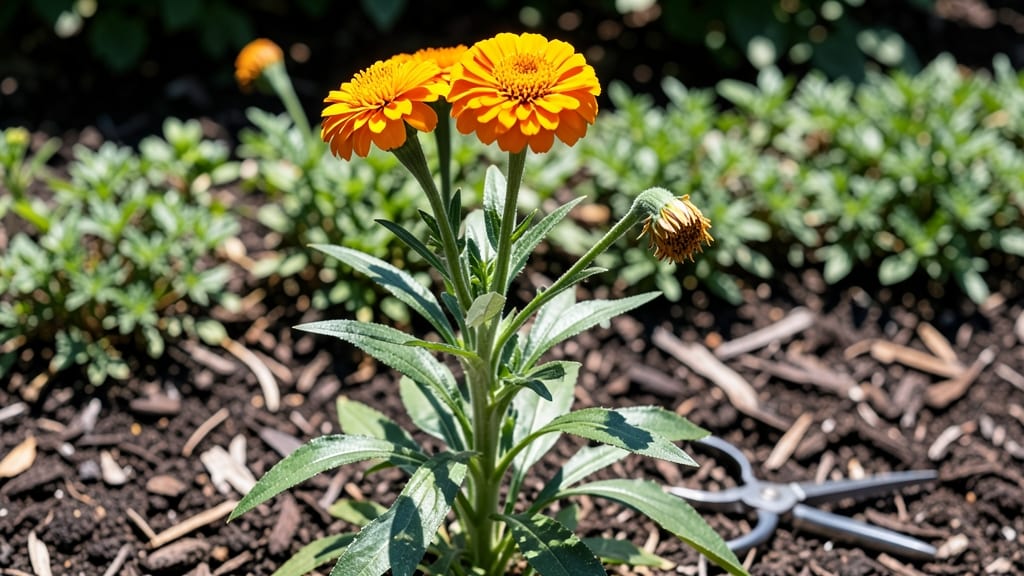
The marigold flowers—whether annual or perennial—transform your garden, and that choice changes everything about how you grow them. 🌻 I’ve grown both types, and the difference isn’t just in how long they last—it’s in their boldness, their resilience. and how they transform a garden from good to showstopping.
Annual marigolds—like the classic French or African varieties—put on a nonstop show from spring to frost, their bright blooms repelling pests while they work. Perennials, though, like the hardier Mexican marigolds, come back year after year in warmer climates, saving you the trouble of replanting.
Both thrive in full sun, but annuals need more frequent deadheading to keep blooming, while perennials focus energy on next year’s growth.
You’ll end up with a garden that’s not just beautiful but functional—marigolds deter nematodes, aphids, and even rabbits. Annuals give you a season-long burst of color, while perennials reward patience with years of low-maintenance blooms. The right choice depends on your zone, but either way, these flowers deliver.
Fair warning: if you plant annuals, you’ll be hooked on their vibrant summer displays. Perennials, though, are the quiet achievers—once established, they’re impossible to ignore. Here’s how to pick the right type for your space and climate.
Frequently asked questions
about marigold flowers—whether they’re annual or perennial—can help you make the best choices for your garden. Here are some common queries answered!Are marigolds annual or perennial?
Most marigolds (like Tagetes and Calendula) are annuals in cold climates, meaning they complete their life cycle in one growing season. However, some varieties, such as French marigolds (Tagetes patula), may self-seed and return the following year. In warmer zones (USDA 9-11), they can act like perennials!
How do I keep marigolds blooming all season?
To encourage long-lasting blooms, deadhead spent flowers regularly (remove faded blooms) and fertilize lightly with a balanced, water-soluble fertilizer every 4-6 weeks. Ensure they get full sun (6+ hours/day) and well-draining soil. Mulching helps retain moisture and keeps roots cool.
Why are my marigolds wilting or dying?
Wilting marigolds often signal overwatering, underwatering, or pests. Check soil moisture—it should be dry 1-2 inches deep. Look for aphids, spider mites, or powdery mildew (white fungal spots). If affected, prune infected leaves and treat with neem oil or insecticidal soap. Ensure good airflow to prevent disease.
Can I grow marigolds in containers?
Marigolds thrive in containers as long as the pot is at least 12 inches deep with drainage holes. Use a well-draining potting mix and place them in a sunny spot. Dwarf varieties (like Tagetes tenuifolia) are ideal for small spaces. Repot if roots outgrow the container.
What’s the best marigold alternative for perennial blooms?
If you want perennial pest-repelling flowers, try Zinnias, Cosmos, or Black-Eyed Susans (Rudbeckia). For edible options, Calendula (pot marigold) is both ornamental and perennial in mild climates. Nasturtiums also deter pests and add color but are typically annual in cold areas.
Final thoughts
Whether you’re drawn to marigolds for their vibrant blooms, pest-repelling powers, or low-maintenance charm, these sun-loving flowers are a fantastic addition to any garden! 🌻 Remember, most marigolds are annuals, thriving for one season but offering big rewards—like natural pest control and cheerful color.
Ready to grow your own? Start by choosing your favorite variety, gathering your supplies, and planting with confidence! Your garden (and local pollinators) will thank you.
Pro tip: Snap a photo of your first marigold bloom and share it with fellow gardeners—inspiration spreads like wildflowers! 🌱