
Flowers
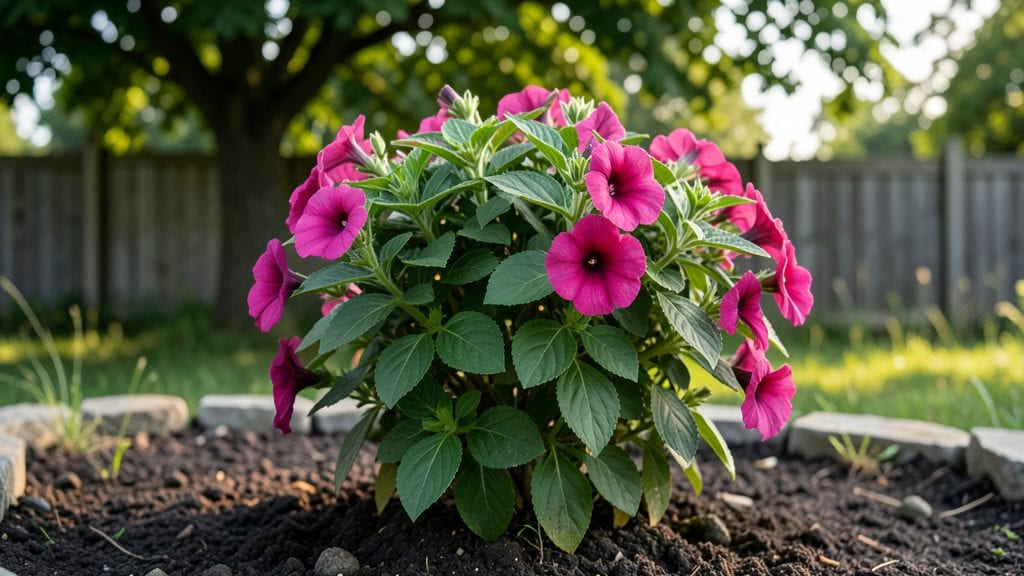
Whether impatiens flowers are annual or perennial depends on your climate: they're grown as annuals in most U.S. regions because they can't survive freezing temperatures, though tropical varieties might endure brief cold snaps with proper care. Their ability to withstand frost ultimately decides if they return each year or need replanting.
This distinction comes from their tropical origins—most impatiens varieties can't handle temperatures below 32°F, which causes irreversible damage to their delicate foliage and roots. 🌱 However, some newer hybrids and tropical species like Impatiens hawkeri show surprising resilience in microclimates with winter protection.
The key difference lies in their natural growing zones: plants from warmer regions simply can't adapt to northern winters without intervention.
For gardeners in colder zones, this means treating impatiens as seasonal plants unless you're willing to provide winter shelter or grow them in containers that can be moved indoors.
The trade-off? Their vibrant blooms make them worth the annual replanting effort for many—especially since they thrive in shady spots where other flowers struggle.
💡 In This Article
- Cold Tolerance Limits of Impatiens Varieties
- Extending Impatiens Blooms: Overwintering Tips for Gardeners
Cold tolerance limits of impatiens varieties
Here's what's actually happening at the cellular level when impatiens encounter frost: their thin, waxy leaves lack the protective cuticle found in hardier plants, causing ice crystals to form within leaf cells.
These crystals rupture cell membranes at temperatures below 32°F, triggering irreversible damage that turns leaves black and mushy within hours.
The root systems fare no better—frost disrupts water uptake, leading to dehydration even if tops survive. 🌡️ This sensitivity stems from their tropical origins in Southeast Asia and Africa, where temperatures rarely drop below 50°F.
Most common garden impatiens like Impatiens walleriana (the classic "busy Lizzie") have zero cold tolerance—any frost kills them outright. Even a light freeze (28-32°F) causes permanent wilting.
In contrast, tropical species like Impatiens hawkeri (New Guinea impatiens) occasionally survive brief 25°F dips if protected, thanks to slightly thicker foliage. The difference comes down to evolutionary adaptation: hawkeri evolved in higher-elevation tropical zones with cooler nights, while walleriana thrives in steamy lowlands.
Microclimates create the only exception for northern gardeners. Impatiens planted near south-facing walls or under evergreen trees might survive 20°F for short periods because snow insulation and reflected heat raise ground temperatures by 5-10°F.
This "urban heat island" effect explains why city gardens sometimes see impatiens rebloom after winter—though it's not true perennials. 🏙️ The roots rarely survive, so these plants are still technically annuals in cold climates.
What most people don't realize is how humidity affects frost damage. Dry air makes impatiens more vulnerable because their thin leaves lose moisture faster, accelerating cell death.
In humid climates (like Florida), some impatiens might survive 28°F with no visible damage, while identical plants in dry regions wilt at 35°F. This explains why tropical varieties perform better in coastal gardens than inland areas.
For gardeners pushing the limits, the key number to remember is 40°F—this is the safe lower threshold for impatiens. Below this, even hardy varieties show stress symptoms like yellowing leaves or stunted growth.
The science behind this involves chilling injury: temperatures between 32-40°F disrupt photosynthesis without killing cells immediately, leading to gradual decline over weeks. 🌱
Interestingly, impatiens' night-blooming habit actually makes them more frost-sensitive. Many varieties open flowers at dusk when temperatures are dropping fastest, exposing delicate petals to evening chills. This evolutionary trait works in their native tropics but becomes a liability in temperate zones where nights cool rapidly after sunset.