
Flowers
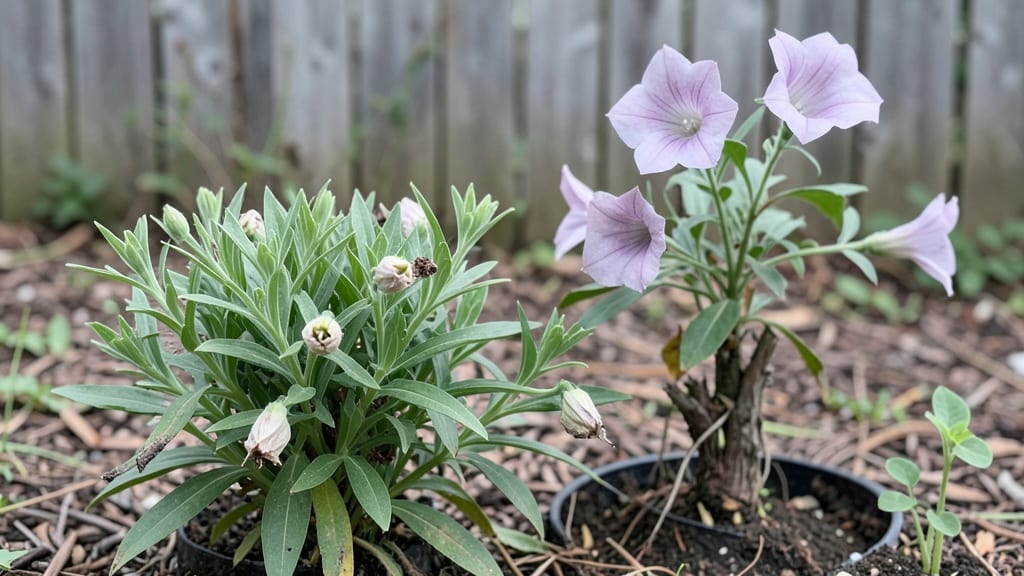
Lisianthus grows as a perennial in warm climates but acts like an annual in colder zones—here’s how to keep those bold blooms coming back year after year. 🌿 I’ve watched mine self-seed and return stronger each season, proving it’s worth the extra care.
The key is understanding its hardiness limits and giving it the right conditions to survive winter.
In zones 8-11, lisianthus thrives as a perennial, sending up fresh growth from the same roots each spring. But in zones 6-7, it’s often treated as an annual because frost kills the foliage—though the roots may linger if protected.
The trick is mulching heavily in fall and choosing cold-hardy varieties like ‘Twinkle’ or ‘Sensation’ for better survival.
When grown as a perennial, you’ll get three to five years of blooms with minimal effort—just deadhead spent flowers and fertilize lightly in spring. The payoff? Stunning, long-lasting blooms in shades of pink, purple, and white that outshine most annuals.
Even if you lose the plant to winter, saved seeds or cuttings can restart your garden the next season.
For gardeners in colder areas, the secret is treating it like a short-lived perennial: plant extra in fall, let some self-seed, and enjoy the bonus blooms. With the right approach, lisianthus can become a low-maintenance staple—not just a one-season showstopper. Let’s get those roots established for long-term success.
📚 In This Guide
- What you need
- Instructions
- Tips and common mistakes
- Wrapping up and next steps
What you need
- ● Lisianthus plants: Annuals: 3–6 plants (depending on desired coverage)
- ● Perennials: 1–3 hardy plants (for established growth)
- ● Soil: Well-draining potting mix or garden soil (amend with compost for perennials)
- ● Containers or garden bed: Containers: 12–18" pots (1 plant per container)
- ● Garden beds: Full sun to partial shade (6+ hours of light)
- ● Fertilizer: Balanced 10-10-10 or slow-release granules (follow label for dosages)
- ● Watering can or hose: With a gentle spray nozzle
- ● Pruners: Sharp, clean bypass pruners (for deadheading)
- ● Mulch (straw or shredded bark) to retain moisture
- ● Stakes or cages (for tall varieties like ‘Twinkle’)
- ● Epsom salt (1 tbsp/gallon of water) for magnesium boosts
- ● Garden gloves (to protect hands from thorns on some varieties)
How to cultivate lisianthus as both annual and perennial powerhouses
Here’s the method I’ve refined over seasons to coax bold, long-lasting blooms from lisianthus—whether you treat it as a showstopping annual or a hardy perennial.
🌱 Step 1: Select and Prepare the Perfect Planting Site
Lisianthus thrives in well-draining soil with a pH between 6.0 and 7.0—that’s slightly acidic to neutral. I always test my garden soil first because lisianthus roots are sensitive to waterlogging. Amend heavy clay with 2-3 inches of compost mixed into the top 12 inches of soil to improve aeration.
Choose a location with full sun to partial shade—at least 6 hours of direct sunlight daily for annuals, but perennials tolerate 4-5 hours in hotter climates. The key is avoiding afternoon heat stress, which causes buds to drop. If your summers are brutal, opt for morning sun with afternoon shade.
💧 Step 2: Plant at the Right Time and Depth
For annuals, sow seeds indoors 8-10 weeks before the last frost or transplant nursery starts after danger of frost passes. Perennials, however, prefer spring planting when soil temperatures reach 60°F—they establish deeper roots this way. Dig holes twice as wide as the root ball but only as deep as the container—burying too deeply suffocates the plant.
Space annuals 18-24 inches apart for dramatic clusters, while perennials can stretch to 24-30 inches since they’ll spread over time. Water deeply right after planting to eliminate air pockets, then let the soil dry slightly before watering again. This prevents root rot, which is lisianthus’s biggest enemy.
☀️ Step 3: Feed and Water for Continuous Blooms
Lisianthus is a heavy feeder, so I apply a balanced, slow-release fertilizer (10-10-10) at planting, then top-dress with organic compost every 4-6 weeks during the growing season. For annuals, a monthly liquid feed keeps blooms vibrant, but perennials do well with just the compost—too much nitrogen makes them leafy and sparse.
Water at the base of the plant in the morning to reduce fungal risks. Aim for 1-1.5 inches of water per week, but adjust for rainfall. Let the top 2 inches of soil dry out between waterings—wilting leaves signal thirst, but yellowing indicates overwatering. Mulch with 2-3 inches of shredded bark to retain moisture and suppress weeds.
✂️ Step 4: Prune for Longevity and Shape
Deadhead spent blooms every 2-3 weeks to encourage more flowers—this is non-negotiable for annuals, but perennials benefit too. Pinch back leggy stems by one-third in early summer to promote bushier growth. For perennials, cut back 2-3 inches above the ground in late fall or early spring before new growth starts.
Watch for powdery mildew on humid days—remove infected leaves immediately and space plants wider if needed. If stems flop under bloom weight, stake them early with 4-6 inch tall supports hidden among the foliage. Strong stems hold up better than flimsy ones.
⏰ Step 5: Overwinter Perennials for Next Season
In colder zones, protect perennials by mounding 4-6 inches of mulch around the base after the first frost. I also wrap the crown in burlap for extra insulation, but only if temperatures dip below 20°F. In mild climates, perennials often reseed naturally—let a few self-sow for a surprise display the following year.
Prune perennials back in late winter when new shoots emerge. This is your cue to tidy up without cutting into fresh growth. Annuals, of course, won’t survive winter, but their seeds can be collected from dried blooms for next season’s garden.
Tips & tricks for perfect lisianthus cultivation
Mastering lisianthus—whether as annuals or perennials—comes down to these refined techniques that make all the difference between garden-average and showstopping blooms.
Soil Preparation Insight: When mixing that 2-3 inches of compost into the top 12 inches of soil, don't just scratch it in—thoroughly blend it with the native soil to create a uniform growing medium. I use a garden fork to break up compacted layers first, then mix compost evenly. This prevents pockets of rich soil that can lead to uneven growth or fungal issues. The goal is creating a consistent texture that mimics lisianthus's native well-draining conditions.
Planting Depth Secret: The "burying too deeply suffocates the plant" warning in Step 2 is critical—especially for perennials. I've seen gardeners bury lisianthus too deep because they think it needs extra support, but this actually restricts root expansion. Always check the root flare (where roots meet stem) and plant so it sits at the same level it was in the container. For annuals, this also helps prevent crown rot during those critical first weeks.
Watering Strategy: That 1-1.5 inches of water per week guideline works perfectly in most climates, but here's the pro move: water deeply at the base in the morning, then check soil moisture at the 2-inch depth before watering again. I use a soil moisture meter for precision—lisianthus roots are shallow but hate soggy conditions. The key is maintaining consistent moisture without waterlogging, which is why mulching with 2-3 inches of shredded bark is non-negotiable in hotter months.
Pruning Precision: When deadheading every 2-3 weeks, don't just snip off the spent blooms—cut back to the first set of healthy leaves below the flower. This encourages stronger branching and more abundant blooms. For perennials, that 2-3 inch late fall/early spring cutback is your chance to remove weak growth while preserving the plant's energy reserves for next season. I always sterilize my pruners with rubbing alcohol between cuts to prevent disease transmission.
Pro Tips for Lisianthus Annual Or Perennial
- Mastering lisianthus—whether as annuals or perennials—comes down to these refined techniques that make all the difference between garden-average and showstopping blooms.
- Soil Preparation Insight: When mixing that 2-3 inches of compost into the top 12 inches of soil, don't just scratch it in—thoroughly blend it with the native soil to create a uniform growing medium.
- Planting Depth Secret: The "burying too deeply suffocates the plant" warning in Step 2 is critical—especially for perennials.
Frequently asked questions
Got questions about lisianthus? You’re not alone—this stunning flower sparks curiosity! Here are answers to the most common queries to help you grow with confidence.
Is lisianthus a perennial or annual?
Lisianthus (Eustoma grandiflorum) is typically grown as an annual in most climates, but it’s a tender perennial in USDA zones 9–11. In cooler regions, treat it as a seasonal plant—it won’t survive frost. For year-round blooms, overwinter seedlings indoors or replant from cuttings!
How long does lisianthus take to bloom?
From seed, lisianthus usually takes 12–16 weeks to flower, while transplants may bloom in 8–10 weeks. Patience pays off—its dramatic blooms are worth the wait! For faster results, opt for Eustoma ‘Berried Treasure’ or ‘Purple Kiss,’ which mature quicker.
Can lisianthus survive winter outdoors?
Nope! Lisianthus is not cold-hardy—it dies in frost (below 25°F/-4°C). In zones 9–11, mulch heavily or grow in containers to move indoors. In colder areas, treat it as an annual or save seeds before the first freeze for next year’s garden.
What’s the best alternative to lisianthus?
If lisianthus seems finicky, try these low-maintenance, long-blooming alternatives:
- Snapdragons – Hardy annuals with vertical blooms.
- Zinnias – Heat-tolerant and prolific.
- Salvias – Drought-resistant perennials (in warm zones).
- Petunias – Classic annuals with vibrant colors.
Why aren’t my lisianthus blooms opening?
Lisianthus buds often fail to open due to heat stress (above 85°F/29°C), lack of sunlight, or overcrowding. Try these fixes:
- Move to partial shade in peak heat.
- Deadhead spent blooms to encourage new buds.
- Ensure 6+ hours of sunlight daily.
- Space plants 12–18 inches apart for airflow.
Wrapping up and next steps
Deciding whether lisianthus is annual or perennial depends on your climate and care goals—but the good news is, you can enjoy its stunning blooms year after year with the right approach! 🌸 Whether you treat it as a tender perennial in warmer zones or replant annually in cooler areas, lisianthus rewards gardeners with vibrant, long-lasting flowers that brighten any space.
Ready to bring these bold blooms to your garden? Start by choosing the right variety for your zone, then grab your seeds or cuttings and dive into planting. Happy gardening—your future floral masterpiece awaits! 🌱