
Flowers
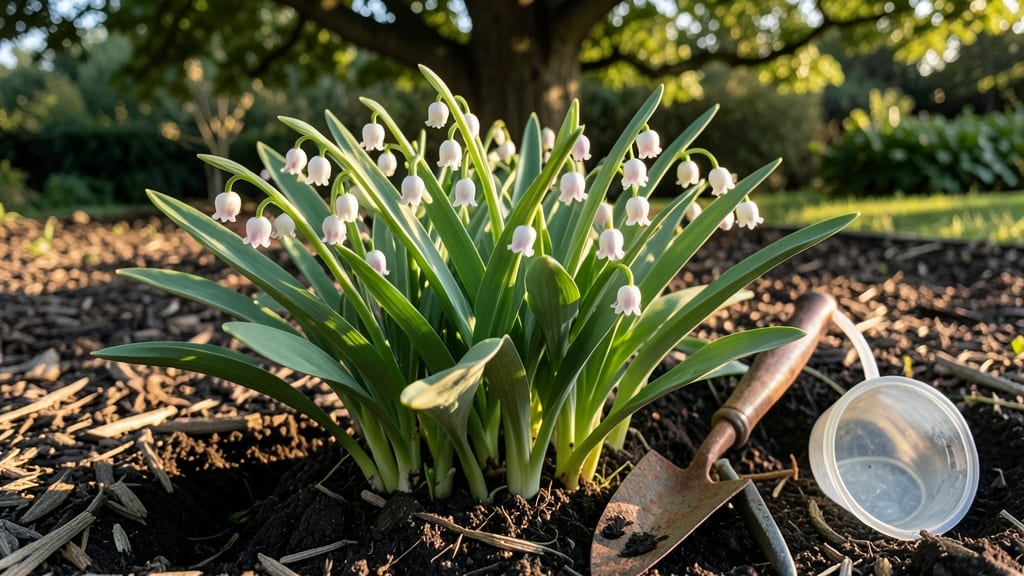
Growing lily of the valley perennials has been my secret weapon for shady corners that refuse to bloom—those stubborn spots where hostas give up and ferns just sit there. 🌿 This hardy plant thrives in zones 3 through 8, spreading like a living carpet while filling the air with that unmistakable, sweet fragrance every spring.
The key to success isn't complicated: it's about patience, the right spot, and letting it do its own thing.
Planting is simple—just dig up those little white bulbs (they're actually rhizomes) and tuck them into moist, well-draining soil under dappled shade. They multiply fast, so start with fewer than you think you'll need. Water them in, and then step back.
No fussing, no babying—just let them establish over the first year while you watch for those first delicate, bell-shaped flowers in late spring. The real magic happens when they naturalize, turning bare ground into a fragrant sea of green.
By summer, you'll have lush, glossy foliage that stays vibrant until fall, and the plants will reward you with clusters of berries that birds adore. The only challenge? Keeping them from spreading too aggressively in the right spots.
But that's easily managed with a sharp knife and a little division every few years. Once established, they're nearly indestructible—drought-tolerant once rooted, resistant to pests, and happy to outlast trendy annuals.
Perfect for woodland gardens, under trees, or along shady fences where nothing else wants to grow. The bloom cycle is reliable, the fragrance is legendary, and the care requirements? Almost nonexistent. If you've got a shady spot begging for color, this is the plant that'll finally make it sing.
Frequently asked questions
Got questions about growing lily of the valley perennials?
Here are answers to the most common ones—from planting to troubleshooting—so you can keep your garden thriving!
What are the best cold hardiness zones for lily of the valley?
Lily of the valley thrives in USDA Zones 3 through 8, making it one of the hardiest perennials. It handles winter frost beautifully but prefers partial shade in warmer zones. If you’re in Zone 9+, plant it in a spot with morning sun and afternoon shade to prevent scorching.
How long does it take for lily of the valley to bloom after planting?
Patience is key! If planted from bare-root crowns, expect blooms in 2–3 years. For container-grown plants, you might see flowers in 1–2 years. Mulch well in winter to encourage faster establishment and earlier blooms.
Can I grow lily of the valley in containers, or does it need ground planting?
Yes! It adapts well to large containers (12+ inches deep) with well-draining soil. Use a mix of peat moss, compost, and perlite. Just ensure the pot doesn’t dry out completely—water when the top inch of soil feels dry. Pro tip: Add a layer of mulch to retain moisture.
Why aren’t my lily of the valley plants blooming?
Common culprits include too much shade, overcrowding, or poor soil. Ensure it gets 4–6 hours of dappled sunlight daily. Divide clumps every 3–4 years to prevent overgrowth. Also, fertilize lightly in early spring with a balanced, low-nitrogen formula.
Is lily of the valley toxic to pets or humans?
Yes!
All parts of the plant—leaves, flowers, and berries—contain cardiac glycosides, which are toxic if ingested. Keep it away from curious pets and children. Wear gloves when handling to avoid skin irritation, and wash hands thoroughly afterward.
Final thoughts
Ready to welcome the delicate charm of lily of the valley into your garden? 🌿 This fragrant perennial thrives in USDA Zones 3-8, making it a resilient choice for many climates, and its early spring blooms bring a touch of magic to any landscape.
Whether you're a seasoned gardener or just starting, its low-maintenance nature and stunning beauty make it a perfect addition.
Now that you know the ins and outs of its cold hardiness and bloom cycle, why not take the next step? Plant a few this season—your garden (and pollinators!) will thank you. Happy gardening! 🌸