
Flowers
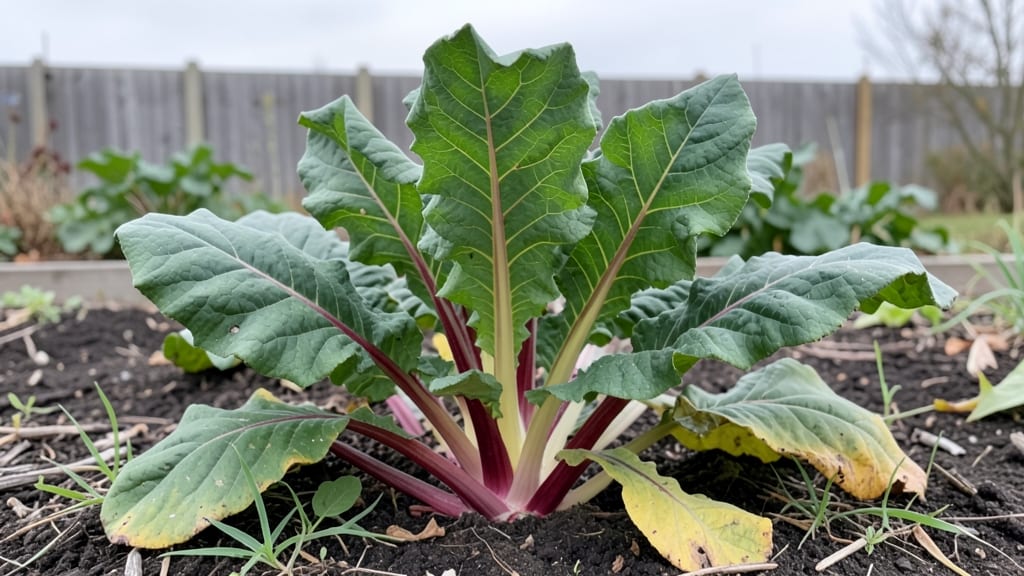
Swiss chard is a biennial plant, not a true perennial, though it often behaves like one in mild climates by regrowing from its base after harvest before eventually bolting in its second year.
This classification matters because biennials like Swiss chard store energy in their thick stems during the first year, allowing them to survive winter and regrow—something true perennials do naturally. 💫 In colder regions (USDA zones 3–7), adding thick mulch or row covers can trick the plant into thinking it's in a milder zone, extending harvests by weeks.
The key difference? Perennials like kale regrow indefinitely, while Swiss chard's second-year flowering (bolting) marks its natural end cycle, though you can still harvest leaves before it flowers.
For gardeners, this means planning ahead: plant Swiss chard in early spring or late summer for fall harvests, and protect it from harsh freezes. The plant's hardiness (zones 3–10) makes it surprisingly adaptable, but understanding its biennial nature helps you maximize yields before it shifts focus to seed production.
💡 In This Article
- Swiss Chard’s Biennial Growth Cycle Explained
- Extending Swiss Chard Harvests in Cold Climates
Swiss chard’s biennial growth cycle explained
Here's what's actually happening in Swiss chard's two-year journey: During its first year, the plant focuses on building energy reserves in its thick, fibrous base called the crown. This crown stores carbohydrates like starch and sugars, similar to how a tree stores energy in its roots.
The plant's leaves grow rapidly in warm weather, but the real magic happens when days shorten in late summer—this triggers the crown to thicken and harden, preparing for winter dormancy. 🌱
The energy storage mechanism is fascinating: Swiss chard's crown can swell to 1-2 inches in diameter by fall, containing enough reserves to fuel regrowth in spring. This is why you can cut leaves repeatedly in its first year without killing the plant—it's constantly replenishing its energy bank.
True perennials like kale do this too, but Swiss chard takes it a step further by dedicating its second year entirely to reproduction, a hallmark of biennials.
The bolting process in year two is triggered by two key factors: day length and temperature. When Swiss chard experiences 14+ hours of daylight (typical in late spring) combined with warming soil temperatures above 50°F, it shifts from leaf production to flower development.
This physiological change is controlled by a plant hormone called florigen, which travels from leaves to the crown, signaling the end of vegetative growth. 🌿
What most gardeners don't realize is how sensitive Swiss chard is to light exposure. Even in mild winters, the plant may start bolting prematurely if it receives too much sunlight during dormancy.
This is why fall-planted Swiss chard often performs better—it enters winter with less daylight exposure, delaying the bolting trigger. Compare this to true perennials like kale, which remain in vegetative state indefinitely because they lack this light-sensitive bolting mechanism.
In practical terms, this means Swiss chard's second year is a race against time: once bolting begins, the leaves become tough and bitter as the plant redirects energy to flower and seed production.
However, you can still harvest the outer leaves before the flower stalk emerges, though yields will decline rapidly. The plant's entire life cycle is a delicate balance between storage, survival, and reproduction—making it more complex than true perennials that focus solely on vegetative growth.
One surprising fact about Swiss chard's biennial nature is its ability to self-seed. If you allow some plants to bolt and go to seed in their second year, they'll produce thousands of tiny black seeds that can germinate in subsequent seasons.
This natural propagation strategy explains why Swiss chard often reappears in gardens year after year without replanting—though technically, each generation is a new biennial cycle. 💡