
Flowers
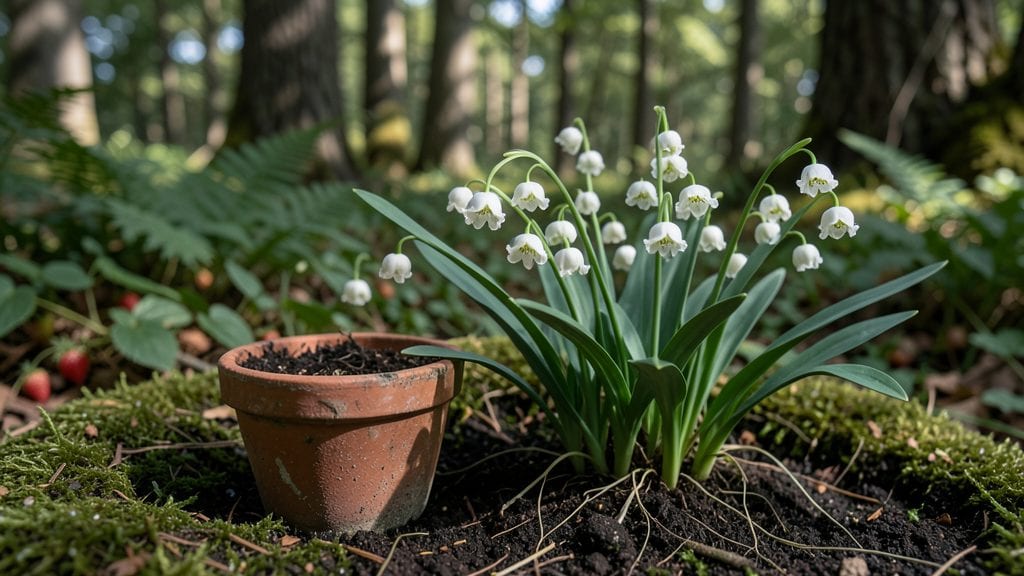
This plant's perennial nature comes from its hidden strength—the thick, creeping rhizomes that store nutrients underground. 🌱 Unlike true annuals that complete their life cycle in one season, lily of the valley's roots stay dormant in winter but burst back to life when temperatures rise.
The key to its longevity is maintaining consistent moisture and partial shade, which mimics its natural woodland habitat. Many gardeners divide mature clumps every 3-4 years to prevent overcrowding and keep blooms vibrant.
What sets it apart from annuals is its ability to spread slowly over decades, creating lush ground covers. The trade-off? Patience—it can take 2-3 years for new plants to establish enough roots to flower reliably.
If you're planning a garden layout, account for its gradual expansion to avoid overrunning other plants.
💡 In This Article
- Understanding Lily of the Valley’s Perennial Growth Cycle
- Best Practices for Cultivating Perennial Lily of the Valley
Understanding lily of the valley’s perennial growth cycle
The secret to lily of the valley's perennial success lies in its specialized underground structure: thick, horizontal rhizomes that store energy like a natural battery. These rhizomes, which can grow up to 12 inches deep and spread 6-12 inches per year, contain dormant buds capable of producing new shoots.
Unlike annuals that complete their entire life cycle in one season, these rhizomes remain viable for decades, with some specimens living over 50 years in ideal conditions. The plant's ability to photosynthesize through its broad, dark green leaves during the growing season fuels this underground energy reserve.
Seasonal dormancy is where the magic happens. When temperatures drop below 40°F in fall, the above-ground foliage yellows and dies back, but the rhizomes enter a state of metabolic slowdown.
This isn't true death—it's a survival strategy where cellular processes reduce to 5-10% of normal activity, preserving stored starches and sugars.
What triggers regrowth in spring isn't just warmth, but a process called cold stratification: exposure to 30-60 days of temperatures between 32-45°F breaks dormancy hormones called abscisic acid, signaling the buds to sprout.
This is why lily of the valley thrives in temperate climates but struggles in tropical regions where winter chilling doesn't occur.
Comparing its life cycle reveals key differences from annuals and biennials. Annuals like marigolds complete their entire growth cycle in one season, while biennials like foxgloves store energy in roots for two years before flowering.
Lily of the valley's rhizomes, however, act like a perpetual motion machine: they store energy year after year, with each growing season adding to their reserves.
The plant's flowers appear in late spring, but the real work happens underground where rhizomes expand through a process called "rhizome branching," creating new growth points for future seasons. This continuous growth makes it behave more like a semi-perennial—a plant that dies back annually but has persistent underground structures.
What most gardeners don't realize is how the plant's growth habit affects its garden behavior. Those creeping rhizomes can spread aggressively—up to 2 feet per year in ideal conditions—making it an excellent ground cover but potentially invasive if not contained.
The trade-off for its perennial nature is that it requires 3-5 years to establish a robust root system capable of consistent flowering. This slow establishment period explains why some gardeners mistakenly treat it as an annual when it fails to bloom in its first year or two.
The key difference from true annuals is that even if you remove the foliage, the rhizomes remain dormant in the soil, ready to regrow when conditions improve.
For those wondering about cold hardiness, lily of the valley's rhizomes can survive temperatures down to -30°F when properly established, though new plantings need winter mulch for protection. This hardiness explains why it's a staple in cottage gardens across USDA zones 3-8.
The plant's ability to regenerate from even small rhizome fragments (as little as 1 inch long) makes it remarkably resilient—something true annuals can't match. This regenerative capacity is why gardeners often divide mature clumps every 3-4 years, not just to control spread but to rejuvenate flowering potential.
Here's what actually happens during its growth cycle that sets it apart: The plant's leaves contain high levels of chlorophyll that continue photosynthesizing until frost, while the rhizomes convert these sugars into insoluble starches for winter storage. When spring arrives, these starches convert back to sugars that fuel new growth.
This biochemical cycle is what allows lily of the valley to return year after year without replanting, unlike annuals that must be reseeded each season. 🌱