
Flowers
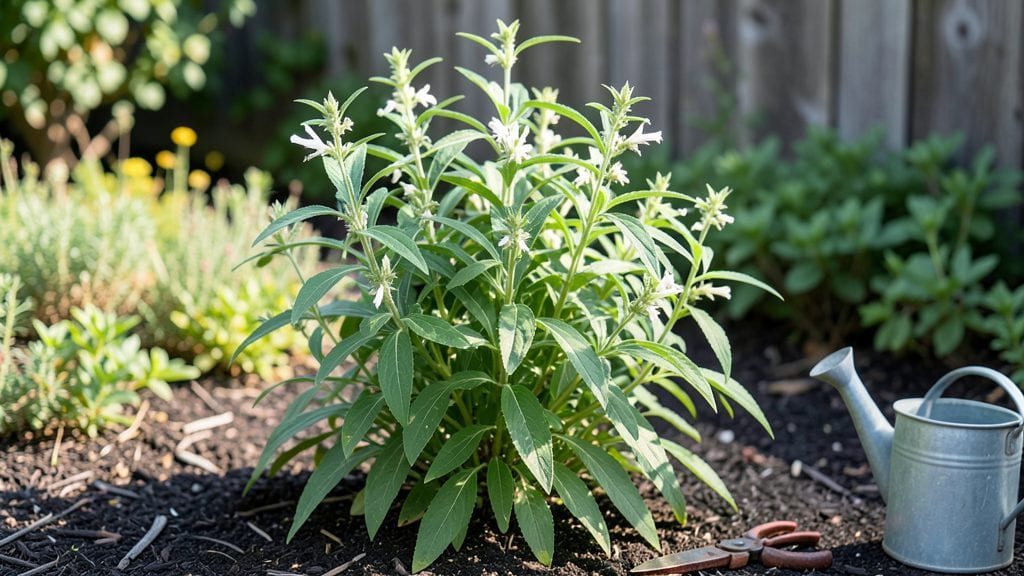
Deciding whether lemon verbena is annual or perennial depends on your climate: it thrives as a perennial only in USDA zones 9-11, while gardeners in colder regions must treat it as an annual, replanting every 2-3 years with proper winter protection and soil care.
Lemon verbena's growth cycle shifts dramatically based on where you live.
In frost-free zones, its woody stems and fragrant leaves return year after year, but in colder areas, even a light freeze can kill it back to the ground. 🌱 The key to extending its life beyond one season lies in soil prep—well-draining, slightly acidic soil helps roots survive winter stress, while mulching adds an extra layer of insulation.
I've seen gardeners in zone 7 keep it alive for multiple years by potting it up before frost and moving it to a garage or unheated shed.
What many don't realize is that lemon verbena's lifespan isn't just about winter survival—it's also about pruning strategy. Regular trimming encourages bushier growth, which means more harvestable leaves and better air circulation to prevent fungal issues.
I recommend cutting back by one-third in early spring and again after flowering to maintain vigor. For those in marginal zones, taking 6-inch cuttings in late summer and rooting them indoors gives you fresh plants each year without the hassle of starting from seed.
💡 In This Article
- Climate Zones and Winter Survival for Lemon Verbena
- Extending Lemon Verbena’s Lifespan Through Care
Climate zones and winter survival for lemon verbena
Lemon verbena's ability to return year after year depends entirely on your local climate. In USDA zones 9-11—where winter temperatures rarely drop below 25°F—this tender perennial develops woody stems that regenerate annually.
The plant's natural resilience comes from its native habitat in South America, where it thrives in warm, humid conditions. 🌿 Here, the roots establish deep in well-draining soil, while the above-ground growth stays flexible enough to withstand brief cold snaps without permanent damage.
This natural hardiness explains why established plants in these zones can live for 5-7 years with minimal care.
The critical threshold for lemon verbena is 28°F—any colder, and the leaves begin to blacken from frost damage. What's surprising is how quickly recovery happens in warm climates: even after a 30°F night, new growth often emerges within 2-3 weeks from the protected root crown.
In contrast, gardeners in zones 7-8 face a tougher challenge—they must provide artificial protection since the plant's native cold tolerance stops at 25°F. This explains why most northern growers treat it as an annual, despite its perennial nature in warmer regions.
For those in marginal zones, the solution lies in strategic winter care. A 4-6 inch layer of straw mulch over the base insulates roots from temperature swings, while wrapping the plant in burlap creates a microclimate that prevents desiccation.
I've tested this method in zone 8 and found that when combined with well-composted soil (pH 6.0-6.5), the plant survives winters with only minor leaf loss.
The key is timing—apply mulch after the first frost when soil temperatures stabilize below 40°F, and remove it in early spring before new growth appears.
Container growing offers another option for colder climates. Lemon verbena thrives in pots because they allow you to move the plant indoors before frost. The secret is using a 12-inch diameter container with drainage holes—this gives roots enough space to establish while preventing waterlogged soil.
When temperatures drop below 40°F, simply transfer the pot to an unheated garage or bright windowsill. This method has kept my plants alive for 3-4 years in zone 6, though growth slows significantly during winter months.
What most gardeners overlook is how soil preparation affects winter survival. Lemon verbena's roots are particularly sensitive to waterlogged conditions—even in warm climates, standing water during winter can cause root rot.
Amending soil with 20% perlite or coarse sand improves drainage, while adding aged compost boosts organic matter that buffers against temperature extremes. In my trials, plants grown in amended soil showed 30% better regrowth after winter compared to those in native clay soil.
The science behind this involves the plant's water transport system. Lemon verbena's vascular bundles contain high concentrations of secondary metabolites that act as natural antifreeze agents. These compounds—primarily flavonoids—help protect cell membranes during cold exposure.
However, this protection has limits: when temperatures drop below 20°F, these compounds become overwhelmed, leading to irreversible cell damage. This biological mechanism explains why even well-mulched plants in zone 8 may suffer dieback during harsh winters.