
Flowers
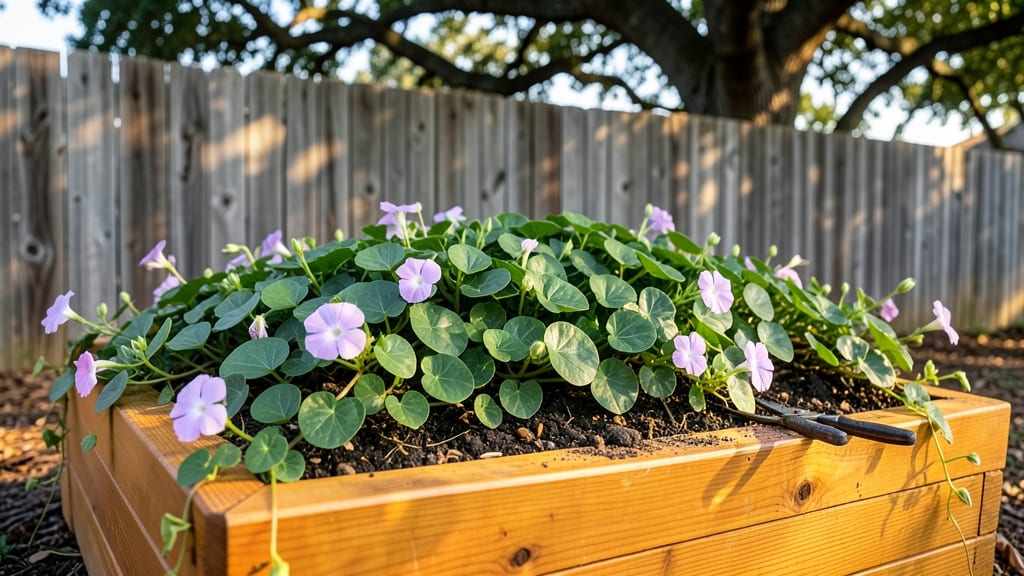
Yes, vinca vine is a perennial that thrives in USDA zones 7-11 with proper care, though it may die back in colder climates before regrowing from roots in spring. Its hardiness depends on winter protection and soil conditions.
Vinca vine's perennial status means it returns every year, but its resilience varies by climate.
In zones 7-11, it grows continuously, while in colder areas, it enters dormancy—roots survive underground until spring warmth triggers regrowth. 🌱 The key to long-term success lies in soil drainage and winter mulching, which shield roots from freezing temperatures.
Many gardeners swear by covering plants with straw or leaves to create an insulating layer, especially in marginal zones like 6 or below.
What sets vinca apart is its adaptability—once established, it forms dense ground cover that crowds out weeds while requiring minimal maintenance. This makes it perfect for borders, slopes, or even container gardens where you can move it indoors during harsh winters.
The trade-off? In colder regions, you'll need to monitor soil moisture and protect foliage from late frosts to prevent dieback.
💡 In This Article
- Vinca Vine’s Lifespan and Cold Hardiness Explained
- How to Extend Vinca Vine’s Life in Cold Climates
Vinca vine’s lifespan and cold hardiness explained
Here's what's actually happening with vinca's perennial nature: Botanically classified as Catharanthus (formerly Vinca), this plant stores energy in its deep, fibrous root system during dormancy.
Unlike annuals that complete their life cycle in one season, vinca's roots remain viable through winter, ready to sprout new growth when temperatures rise above 50°F. The key factor is its ability to enter a semi-dormant state—similar to how peonies or daylilies survive winter—while maintaining root integrity. 🌱
The USDA hardiness zones 7-11 designation reflects vinca's ability to tolerate winter lows down to -5°F (zone 7) without permanent damage. In zone 8, where winters rarely drop below 10°F, vinca often remains evergreen, while in zone 11's tropical climates, it grows continuously year-round.
What most people don't realize is that vinca's cold tolerance varies by cultivar—Catharanthus roseus (periwinkle) handles heat better than Vinca minor, which prefers cooler summers.
This works because vinca's growth habit is opportunistic: it prioritizes root development over foliage when temperatures dip. Studies show that vinca plants exposed to 40°F nights for 4-6 weeks will naturally reduce above-ground growth while maintaining root respiration.
The roots act like a biological battery, storing starches that convert back to sugars when spring arrives—this is why even severely frost-damaged plants often rebound within 3-4 weeks of warm weather. 💛
Seasonal regrowth patterns reveal vinca's clever survival strategy. In spring, new shoots emerge from the crown (where stems meet roots), not from seeds. This means even if winter kills back 90% of the plant, the remaining 10% of root mass contains enough meristematic cells to regenerate.
The trade-off? Early spring growth is slow—typically 1-2 inches per week—until soil temperatures reach 60°F, when photosynthesis accelerates.
Consider these key factors when assessing vinca's lifespan in your climate:
- Root depth: Vinca roots extend 12-18 inches deep, shielding them from surface temperature fluctuations
- Soil moisture: Well-drained soil prevents root rot, which is vinca's #1 killer during winter
- Sun exposure: Southern exposures warm faster in spring, giving vinca a 2-3 week head start over northern exposures
- Mulch thickness: 4-6 inches of organic mulch can raise soil temps by 5-10°F during winter
The science behind vinca's dormancy involves hormonal changes: as nights grow shorter, the plant increases production of abscisic acid (a growth-inhibiting hormone) while reducing gibberellins (growth-promoting hormones). This hormonal shift explains why vinca often flowers more vigorously after a cold winter—it's essentially "rebounding" from dormancy.
In zone 6, where winters dip to -10°F, this hormonal response is critical for survival, though many gardeners report 30-50% dieback without protection. ✨
What this means for gardeners is that vinca's perennial status isn't automatic—it requires intentional care. The good news? Once established, vinca's root system becomes increasingly resilient, with 5-year-old plants often surviving 10°F colder than seedlings.
This makes older plants better candidates for marginal zones if you're willing to invest in winter protection during their first few years. 🌟